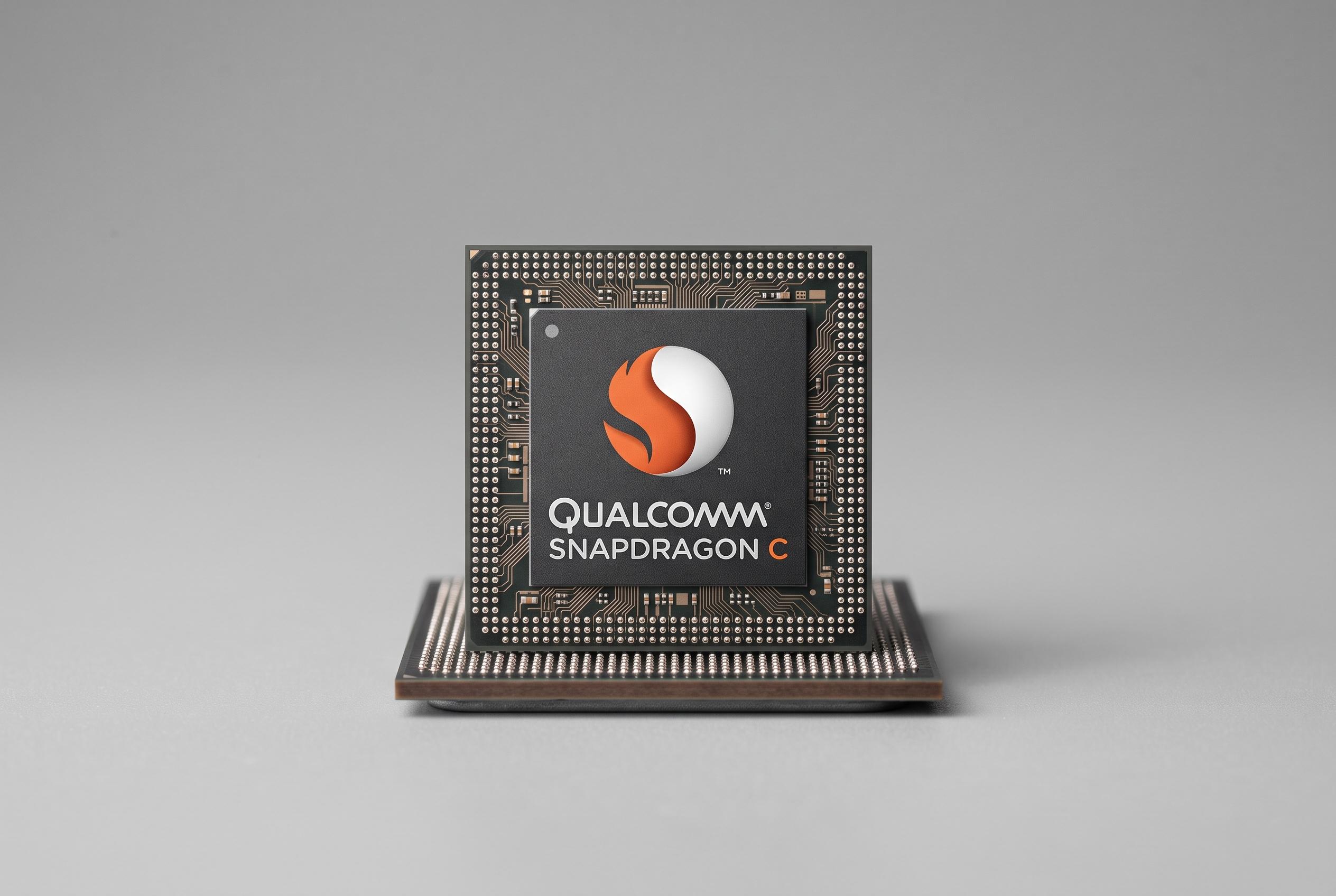

Three months after its initial announcement, Qualcomm reveals a more comprehensive profile of the Snapdragon C chip, targeting low-cost laptops and mini PCs with significant performance and efficiency gains aimed at the budget segment.
Qualcomm has given the Snapdragon C a more complete technical profile three months after its first, sparse announcement, positioning the chip for low-cost laptops and mini PCs aimed at buyers spending about $300 or more. According to reports from Frandroid and Windows Central, the platform is intended to compete at the entry level rather than challenge Qualcomm’s higher-end laptop silicon. Qualcomm’s first wave of partners includes Acer, ASUS, HP and Lenovo.
The chip will come in several versions, with as many as 8 Kryo CPU cores clocked between 2.0GHz and 3.0GHz. Qualcomm is also using an Adreno A643 graphics block at 900MHz, plus a Hexagon neural processing unit for local AI tasks. The platform supports up to 16GB of memory, including LPDDR4x, LPDDR5 and LPDDR5x, along with PCIe 3.0 or UFS storage. Windows Central said Qualcomm is also pitching the chip as better aligned with Windows 11 on Arm in the budget segment.
Qualcomm is openly aiming the Snapdragon C at Intel’s N250, a 4-core, 4-thread chip with 6MB of cache that has become a reference point for inexpensive PCs. The company says its new processor can deliver gains of 24% to 67%, with Cinebench results showing a 50% lead in single-threaded work and up to 67% in multi-threaded testing. Those figures remain Qualcomm’s own claims for now and still need independent benchmarking before they can be treated as final.
Windows Central reported that Qualcomm is also promising stronger efficiency, which in theory could allow a full day of battery life in laptops using the chip. That will depend heavily on each manufacturer’s design choices, display, battery size and cooling. For now, the Snapdragon C looks set to be a practical, cost-led platform for basic computing, rather than a processor aimed at the performance end of the market.
Disclaimer: This content is intended for informational purposes only. Readers are advised to exercise their own judgement, conduct due diligence, or consult a qualified expert before acting on any information provided.