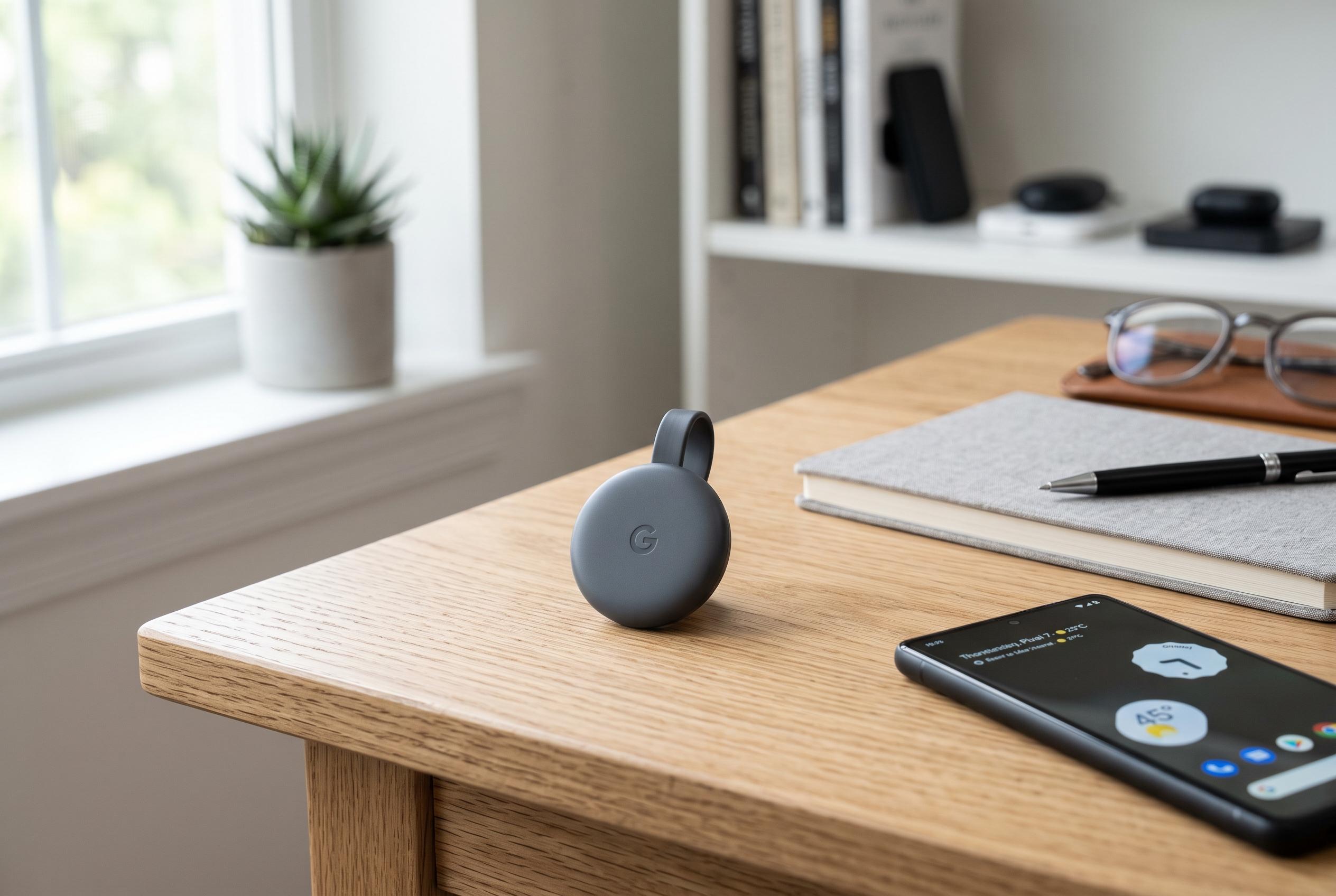

Google is set to release its Pixel Tag in the UK before the US, marking an unusual regional prioritisation for a smart tracker designed to compete with Apple’s AirTag, with features promising enhanced accuracy and shared tracking.
Google’s Pixel Tag will debut in the UK before the US, marking an unusual reversal for one of the company’s own hardware launches. The tracker, designed for locating keys, bags, wallets and other everyday items, is expected to arrive later this year, with Google saying the UK will be the first market to get it before more details are released. Android Central reports that the device is part of Google’s Find Hub network, placing it directly into the company’s answer to Apple’s AirTag system.
Pricing appears to be set at £29 for a single tag and £99 for a four-pack. The UK store listing says the product is “Coming November 2026”, while Google’s US pricing information points to an 11 November launch in the American market. That suggests the UK release may come earlier, although Google has not yet confirmed a precise date. A European retail listing spotted before the launch also pointed to a Fog colour option and a price of €39.99, indicating that the device has been moving through regional sales channels for some time.
The Pixel Tag is a small oval tracker with an IP67 rating for dust and water resistance and a replaceable CR2032 battery rated to last more than a year. Android Central says it also supports Fast Pair on Android 9 and later, making setup quicker for compatible phones, and can be shared with up to 10 people. TechRadar reports that the device also includes ultra-wideband support for more accurate close-range finding, which should improve precision when users are close to a lost item.
Even so, the tracker’s usefulness will depend heavily on Google’s wider software platform. TechRadar notes that Find Hub still lacks some features found in rival systems, including left-behind alerts and historical location tracking. That means the Pixel Tag may arrive with strong hardware but without the full software maturity needed to match the most established item trackers. Motorla’s Moto Tag 2 and Xiaomi’s tag offerings show how crowded the market has become, with many devices now competing on battery life, precision finding and cross-platform support rather than price alone.
Disclaimer: This content is intended for informational purposes only. Readers are advised to exercise their own judgement, conduct due diligence, or consult a qualified expert before acting on any information provided.