
Samsung and Google present divergent flagship strategies with hardware-focused innovation and software-led refinement, sparking a battle over camera, display, and user experience in the high-end phone market.
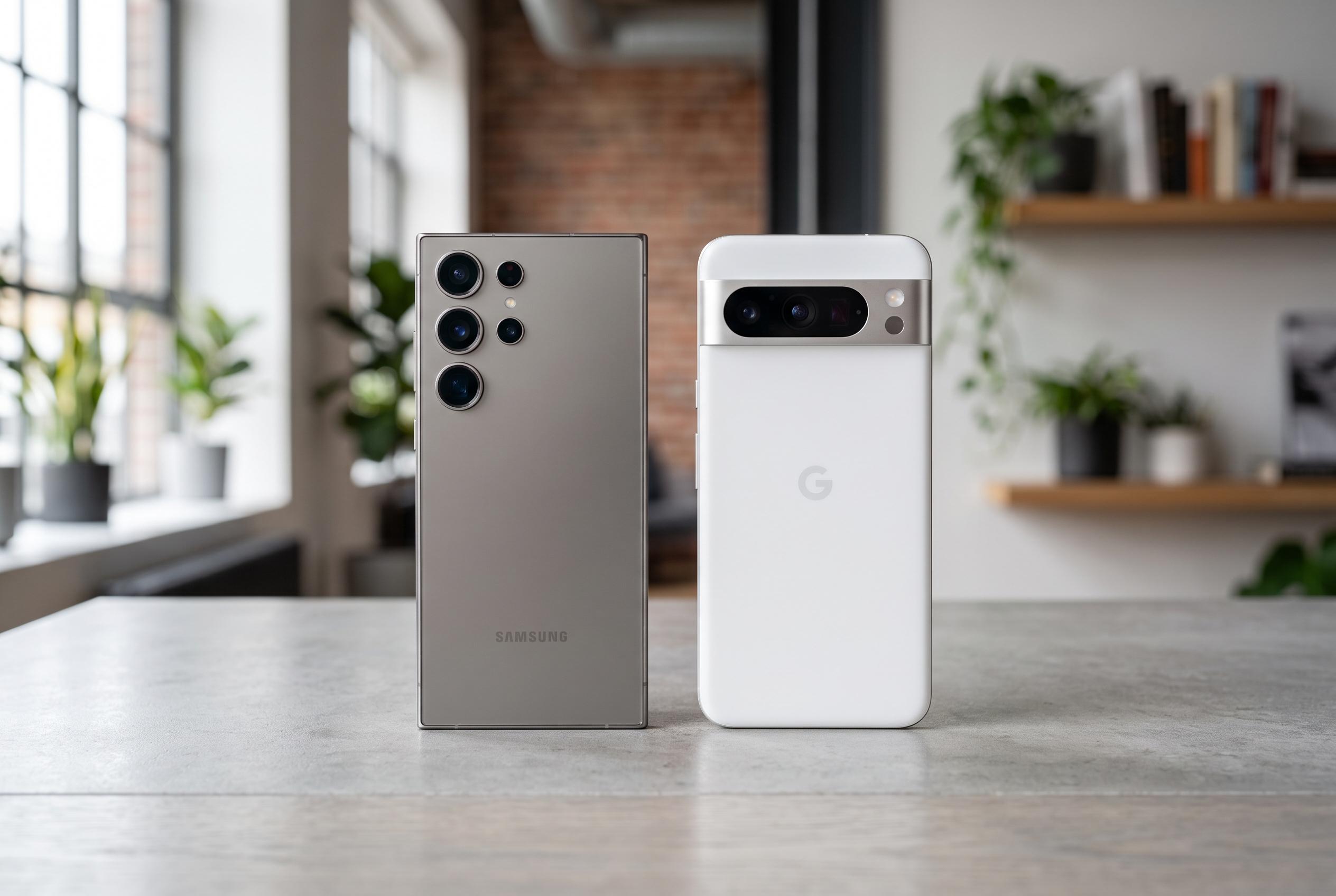
Samsung’s Galaxy S26 Ultra and Google’s Pixel 11 Pro XL are shaping up as two very different interpretations of what a top-end phone should be. Samsung has leaned into raw hardware, with a thinner body, faster charging, a 200MP main camera and a 6.9-inch Dynamic AMOLED 2X panel. Google, by contrast, is pushing a cleaner software experience, a 6.8-inch Super Actua display and a more restrained industrial design built around Android 17 and Gemini Intelligence.
The camera fight is closer than the spec sheets suggest. Samsung’s official specification sheet confirms that the S26 Ultra keeps a four-camera setup, with upgrades focused on the primary and 5x telephoto lenses, plus new AI-assisted creative tools. Google’s Pixel 11 Pro XL counters with a 50MP main sensor, a 48MP ultrawide and a 48MP 5x telephoto, while Android Central and hands-on reports say the series also brings a new HiLight LED notification strip. The result is less about which phone has the largest numbers and more about which image processing style people prefer.
Display is another area where Google appears to have the edge on paper. Samsung says the S26 Ultra reaches up to 1,600 nits peak brightness, but coverage of the Pixel 11 Pro XL points to a panel capable of up to 3,600 nits, which should help in direct sunlight. That matters most for users who spend time outdoors and need a screen that remains legible without constant brightness adjustments. Samsung’s stronger emphasis remains on durability and familiar premium build cues, with Gorilla Armor 2, an IP68 rating and support for the S Pen.
Software may be the decisive factor. Samsung’s One UI 8.5 on Android 16 adds features such as Privacy Display, AI call handling, notification summaries and a refreshed Creative Studio, while promising seven years of OS and security updates. Google’s Pixel 11 Pro XL, running Android 17, also promises seven years of support but pairs that with quicker platform updates and a less cluttered interface. Android Authority’s review argues that Samsung is the better choice for users who want maximum processing power and a feature-heavy environment, while Google is more compelling for buyers who want a simpler phone that is likely to get new software first.
Disclaimer: This content is intended for informational purposes only. Readers are advised to exercise their own judgement, conduct due diligence, or consult a qualified expert before acting on any information provided.