
As market prices for high-refresh-rate OLED monitors plummet and custom mechanical keyboards gain popularity, PC enthusiasts are embracing affordable hardware upgrades and personalised setups, reigniting their passion for tinkering amid ongoing industry challenges.
A recent Full Nerd newsletter from PCWorld argued that the current frustrations of the PC market have not ended the appeal of tinkering; they have simply moved it to different parts of the setup. The column pointed to the Flipper Zero as an example of a device that can rekindle curiosity, especially for users interested in penetration testing, radio systems and access control. Flipper’s own description presents the gadget as an open-source, customisable portable multi-tool for tech enthusiasts, which helps explain why it has developed such a following among hobbyists and security-minded users.
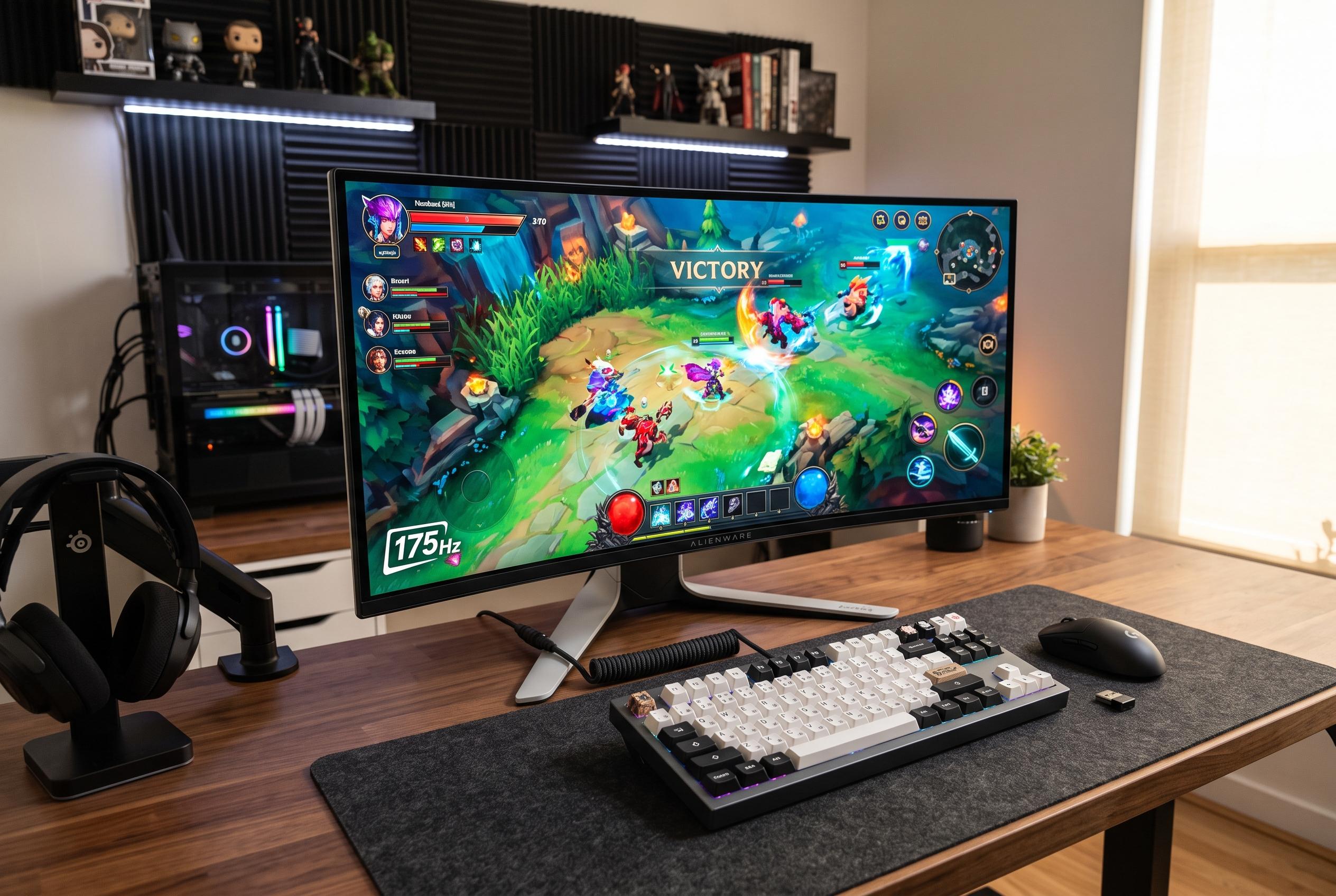
That same spirit of experimentation is now extending to displays, where the market has shifted quickly. PCWorld recently reported that Alienware’s AW2726DM brought a 27-inch QD-OLED panel, 1440p resolution and a 240Hz refresh rate to a $349.99 price point, with FreeSync Premium, HDR10 support and a three-year burn-in warranty. PCWorld also noted similarly aggressive pricing from AOC and Acer, including a 27-inch OLED model from AOC at $340 and Acer’s Predator X27U OLED at $349.99, while Acer has also pushed 280Hz OLED pricing to $379.99. In practical terms, OLED has moved from a premium niche into a far more accessible option for high-refresh gaming.
The broader point is that buyers no longer need to spend heavily to get a capable panel. Even outside OLED, PCWorld has pointed to 1440p monitors with 240Hz refresh rates selling for under $200, and the Lenovo Legion R27fc-30 shows how far budget gaming displays have come, with a 27-inch curved panel, 1080p resolution, 240Hz refresh rate and FreeSync Premium Pro at $194.99. For enthusiasts, that creates room to build around the monitor rather than compromise on it.
Keyboards are following a similar path. The newsletter cited growing interest in custom mechanical boards and described fresh experimentation with a Keychron Q5, reflecting a wider hobbyist trend that accelerated during the pandemic. The practical appeal is clear: modular keyboards now offer software-based remapping, deeper personalisation and a broad range of price points, with credible customisable options available for $200 or less. For many PC users, that has made the keyboard one of the last genuinely satisfying pieces of hardware to tune by hand.
Disclaimer: This content is intended for informational purposes only. Readers are advised to exercise their own judgement, conduct due diligence, or consult a qualified expert before acting on any information provided.