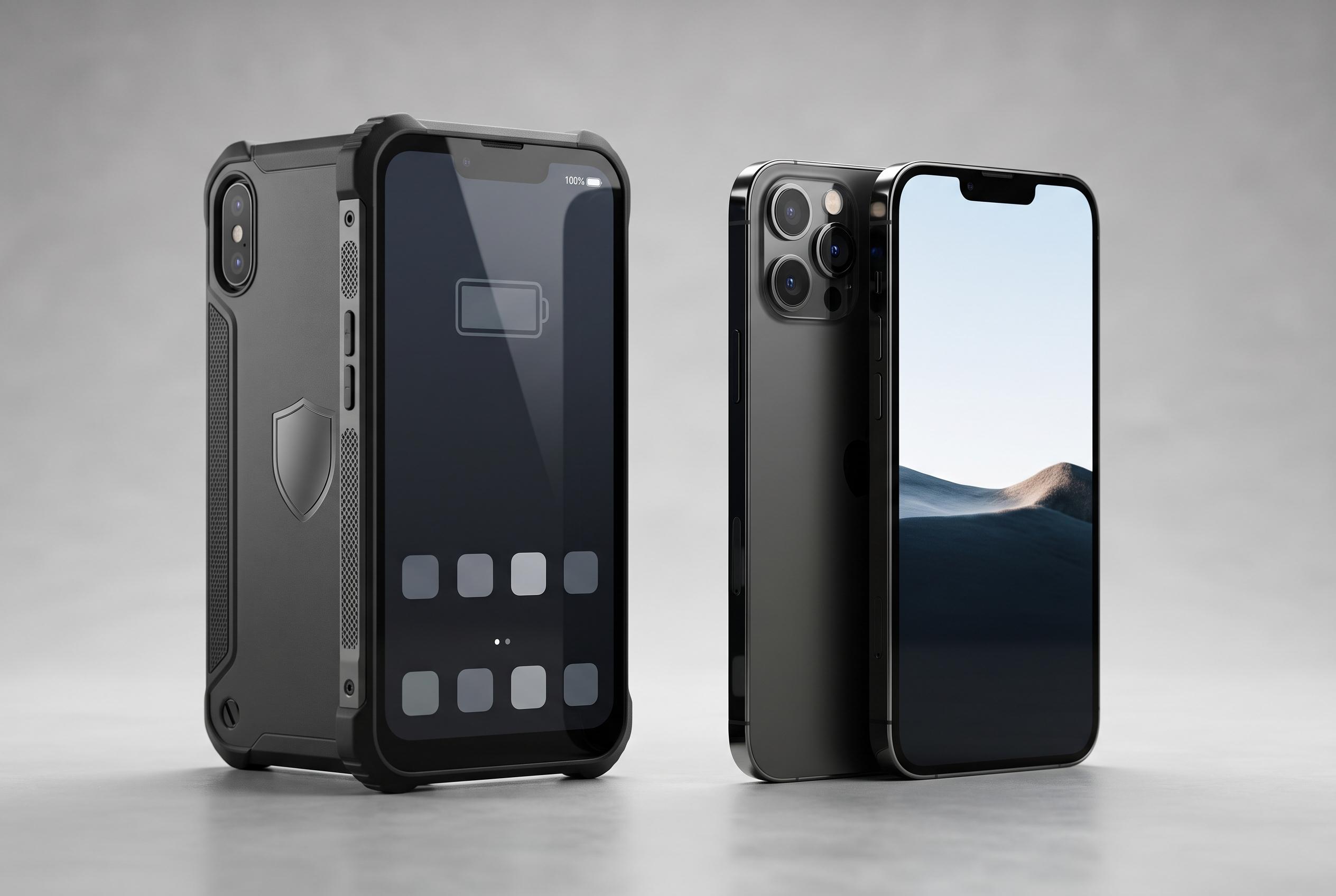

A detailed comparison reveals Motorola’s rugged design, larger display, and higher battery capacity position the Signature as a more budget-friendly flagship, while the iPhone 17 Pro excels in imaging and ecosystem integration, highlighting evolving priorities among premium smartphone buyers.
A comparison published by Oficina da Net places the Motorola Signature and the iPhone 17 Pro side by side as two premium handsets aimed at buyers who want flagship features without compromise. On paper, the choice is less about raw capability than about priorities: durability, screen size, battery life and price on one side; tighter ecosystem integration, stronger imaging hardware and Apple’s chip advantage on the other.
In design terms, the Motorola is the more rugged of the pair. PhoneArena says it uses an aluminium frame and has IP69 water and dust resistance plus MIL-STD-810H certification, while the iPhone 17 Pro is rated IP68 and combines glass with aluminium. The Motorola is also larger and lighter, at 162.1 x 76.4 x 6.99 mm and 186 g, compared with the iPhone’s 150.0 x 71.9 x 8.75 mm and 206 g. That difference should matter to buyers who prefer a bigger device that is still easier to carry.
The display gap is even clearer. NanoReview’s comparison lists the Signature’s 6.8-inch LTPO AMOLED panel with a 165 Hz refresh rate and peak brightness of 6,200 nits, against the iPhone 17 Pro’s 6.3-inch LTPO Super Retina XDR OLED screen at 120 Hz and 3,000 nits. In practical terms, the Motorola should offer the more expansive and visibly brighter panel, while the Apple device is the smaller, more compact option. For many users, that means the Signature is better suited to media consumption and gaming, particularly outdoors.
Performance is close at the top end, but the iPhone still appears to have the edge. The Oficina da Net comparison says the Signature uses Qualcomm’s Snapdragon 8 Gen 5 with 12 GB of RAM and 512 GB of storage, while the iPhone 17 Pro is built around Apple’s A19 Pro with the same 12 GB of RAM and storage options up to 1 TB. Gadgets360 also lists a 4,252 mAh battery for the iPhone, while the Motorola carries a 5,200 mAh cell. Combined with 90W wired charging, 50W wireless charging and 10W reverse charging on the Motorola, the Signature looks better equipped for endurance and faster refuelling.
The camera systems reflect different philosophies. The Signature uses three 50-megapixel rear cameras and a 50-megapixel front camera, while the iPhone 17 Pro carries three 48-megapixel rear cameras, LiDAR and an 18-megapixel front camera. Oficina da Net says the Motorola can record video in up to 8K at 30 fps, whereas the iPhone supports up to 4K at 120 fps. That suggests Apple is leaning more heavily on computational photography and advanced video capture, while Motorola is offering higher headline resolution and a stronger selfie setup.
Software support and price may ultimately decide the contest. According to Oficina da Net, the Motorola ships with Android 16 and Motorola’s Hello UI, with seven years of system and security updates promised. The iPhone 17 Pro runs iOS 26, and Apple does not publish a fixed support window, although its long update record usually implies several years of software life. Pricing also favours Motorola: the Signature launched at R$ 8,999 and is now found closer to R$ 5,400, while the iPhone 17 Pro entered Brazil at R$ 11,499 and is now around R$ 7,000. For buyers weighing value against prestige, the Motorola looks the more financially efficient flagship, even if the iPhone remains the better fit for users already committed to Apple’s ecosystem.
Disclaimer: This content is intended for informational purposes only. Readers are advised to exercise their own judgement, conduct due diligence, or consult a qualified expert before acting on any information provided.