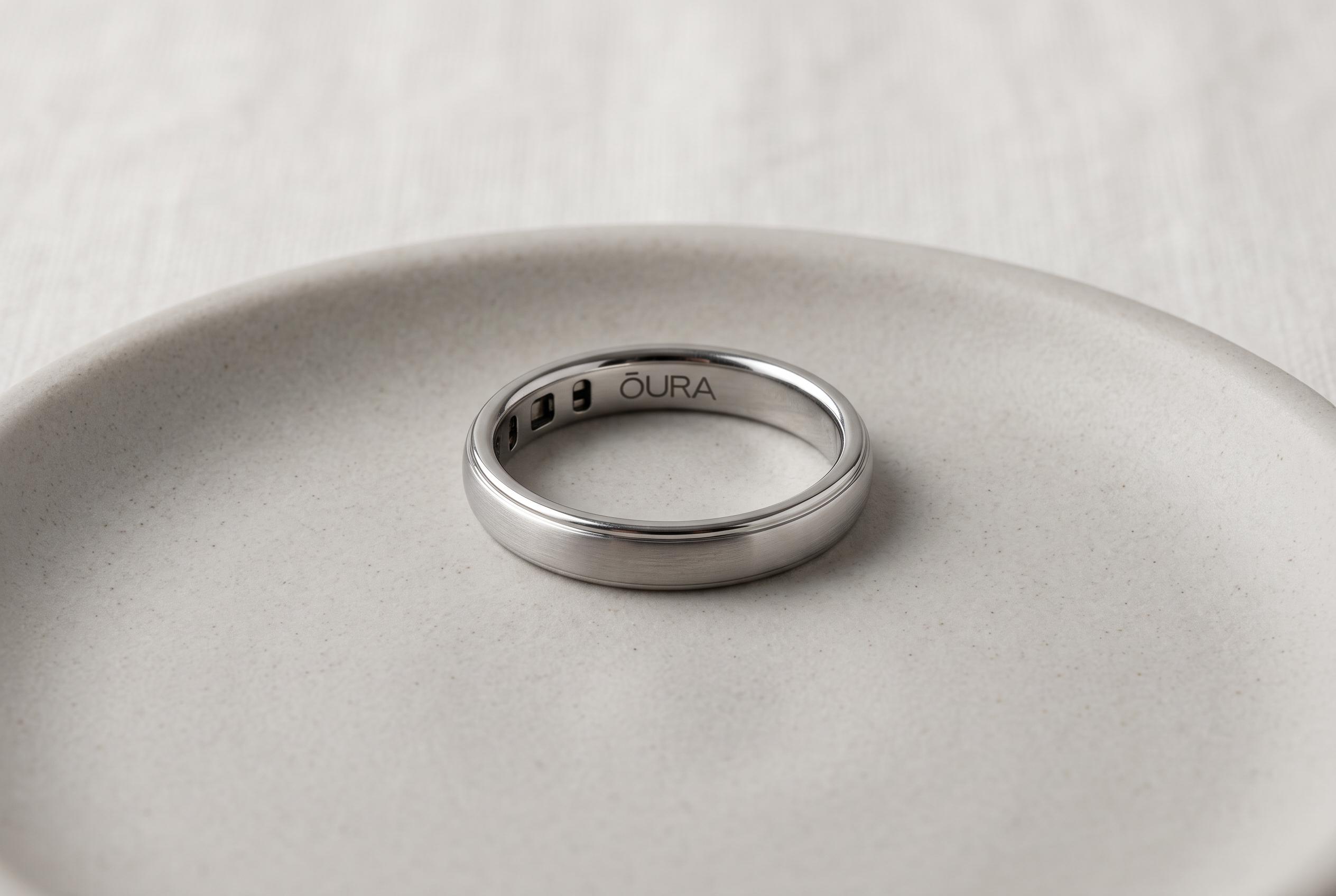

The Oura Ring 5, the latest iteration of the popular health wearable, offers significantly smaller size, advanced health metrics, and long-term recovery insights, cementing its status as a leading discreet sleep and health tracker.
The Oura Ring has moved from a niche gadget to one of the most recognisable health wearables on the market because it offers continuous monitoring in a form factor that feels closer to jewellery than electronics. Its appeal is simple: it sits quietly on the finger, gathers sleep and recovery data all day and night, and presents the results in an app rather than on a screen. For people who want fewer interruptions and more detail on how their body responds to daily habits, that can be a persuasive combination.
At its core, the ring is designed around recovery rather than sport. It records sleep stages, overnight heart rate, heart-rate variability, skin temperature trends, respiration rate, blood oxygen levels and general activity, then turns that information into daily sleep and readiness summaries. Tom’s Guide reported that one user found the Oura Ring 5 helped extend sleep from six to seven hours by highlighting bedtime patterns, activity levels and stress-linked disruptions. That reflects the device’s main strength: it is often less about coaching in real time than about making patterns visible enough to change behaviour over weeks and months.
The newest model, the Oura Ring 5, is the clearest sign of where the product is heading. According to Oura’s announcement and coverage by Healthline and MacRumors, the ring is about 40 per cent smaller than its predecessor and is intended to feel more like a conventional band. The company says it retains roughly week-long battery life while adding features such as blood pressure trend detection, nighttime breathing analysis and GLP-1 medication tracking tools. Tom’s Guide also found that, in a 10-day comparison with Garmin’s screenless Cirqa tracker, the two devices produced broadly similar sleep results, though the Oura logged more awake time.
Price remains the main obstacle for many buyers. The Ring 5 starts at $399 in silver and black finishes, while premium colours cost more. The older Ring 4 starts at $349, with special finishes rising to the same higher range. On top of that is the mandatory Oura Membership, which costs $5.99 a month or $69.99 a year and unlocks most of the app’s useful functions, including the sleep and readiness scores that give the ring much of its value. Without that subscription, the hardware is far less compelling.
Accuracy is another area where the Oura has built a strong reputation. A 2024 Brigham and Women’s Hospital study cited by sleep-tracking reviewers found high sensitivity for sleep and wake detection, with overall agreement against polysomnography of roughly 92 per cent. Reviewers have also noted that the ring performs well for total sleep time, sleep efficiency and overnight heart-rate measures. The main caveat is that it is not a specialist exercise tracker, and it is not designed to replace a sports watch for runners, lifters or anyone who wants detailed workout metrics.
That makes the buying decision fairly clear. The Oura Ring is best suited to people who care most about sleep quality, recovery and long-term health trends, and who value a discreet device that can be worn all day without demanding attention. It is less attractive for users who want route tracking, training load analysis or a subscription-free wearable. For the right buyer, though, the combination of comfort, depth of data and habit-shaping insight can justify the cost.
Disclaimer: This content is intended for informational purposes only. Readers are advised to exercise their own judgement, conduct due diligence, or consult a qualified expert before acting on any information provided.