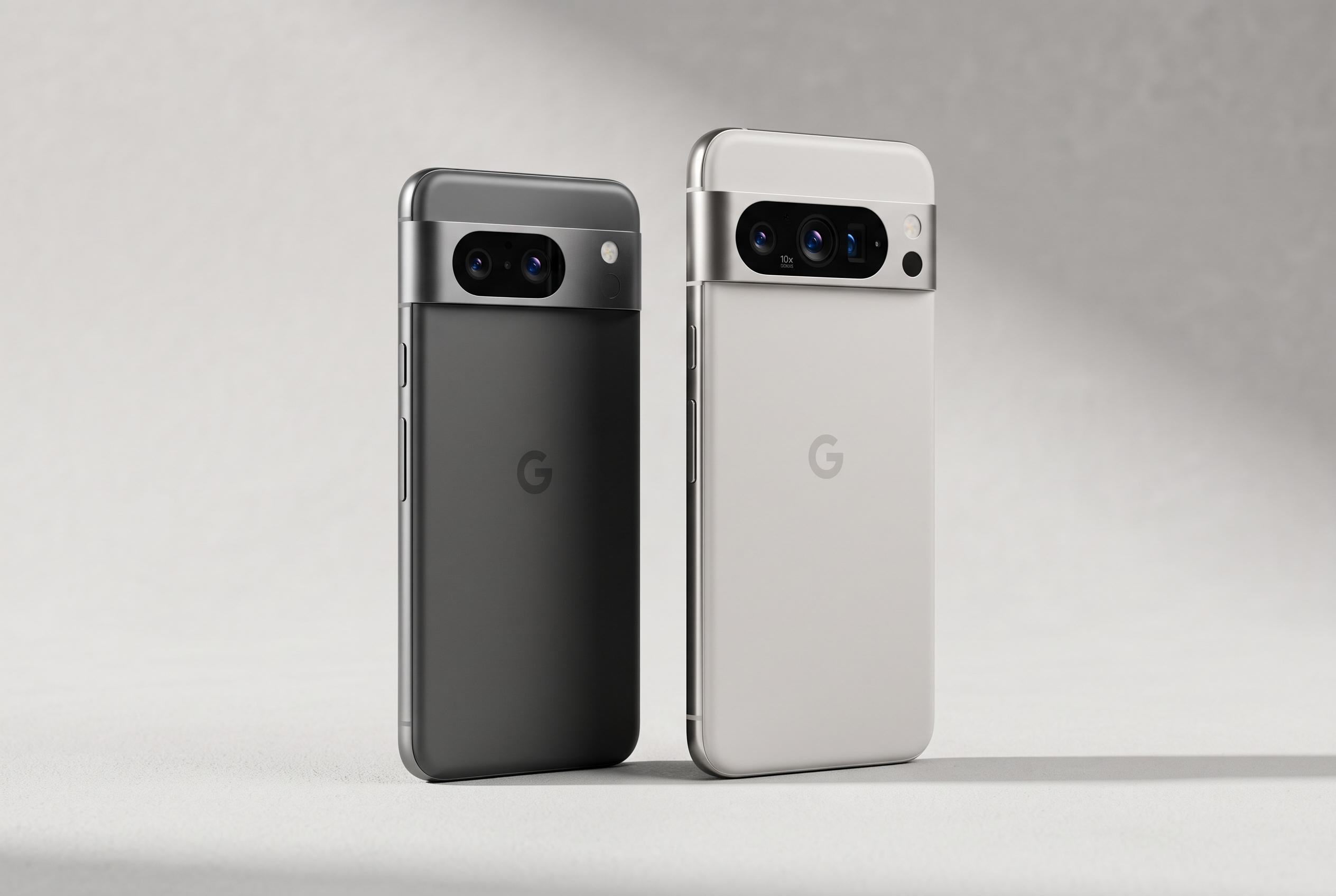

The Pixel 11 series, launched at Google’s Made by Google event, offers substantial upgrades over the Pixel 10a, including enhanced zoom capabilities, increased RAM and storage, and improved build quality, setting a new benchmark for mid-tier smartphones.
For buyers weighing Google’s budget A-series phone against its newer mid-tier model, the gap is no longer just about price. The Pixel 10a remains a capable everyday handset with clean software and strong photography for the money, but the Pixel 11 is built to feel less compromised in daily use and more resilient over time, according to Android Authority and Android Central. Google officially announced the Pixel 11 series on 12 August 2026 at its Made by Google event, with the standard model positioned above the A-series rather than as a direct replacement.
The clearest separation is in the camera system. The Pixel 10a relies on digital zoom, which is fine at short range but quickly loses detail as subjects move further away. The Pixel 11 adds a dedicated 10.8MP 5x telephoto camera, giving it a more useful zoom range and up to 30x Super Zoom. It also uses a new 48MP main sensor, which should improve low-light shots and moving subjects. Android Authority said Google is pairing that hardware with Magic Capture, which can save strong HDR+ stills while recording video, and Camera Looks, a preview tool for colour styles in the viewfinder.
The Pixel 11 also has more practical headroom. The Pixel 10a ships with 8GB of RAM and 128GB of storage, which is acceptable for lighter use but less forgiving once apps, offline media and photo libraries start to pile up. The Pixel 11 comes with 12GB of RAM and 256GB of base storage, while Android Central reports that the wider Pixel 11 line uses Tensor G6, which is claimed to be faster and more efficient, with a stronger AI processor. That matters not just for speed, but for keeping more tasks in memory and supporting on-device AI features.
Convenience also favours the more expensive phone. Android Authority notes that the Pixel 10a offers 10W wireless charging, while the Pixel 11 supports 25W Qi 2.2 wireless charging and magnets for Pixelsnap accessories, as well as broader MagSafe compatibility. The newer model also uses Gorilla Glass Victus 2 on both sides, compared with Gorilla Glass 7i and a plastic rear on the Pixel 10a, which should improve both feel and durability. Android Central adds that the Pixel 11 has a refined design, though the visual changes are modest rather than dramatic.
That leaves the verdict largely to budget and upgrade path. The Pixel 10a is still the sensible choice for anyone who wants Google’s software, seven years of updates and a good camera without paying flagship money. But the Pixel 11 brings enough meaningful improvements in optics, storage, RAM, charging and build quality to justify the extra spend for buyers who keep a phone for years or use their handset heavily. In short, the A-series still makes sense, but the Pixel 11 now looks like the more complete product.
Disclaimer: This content is intended for informational purposes only. Readers are advised to exercise their own judgement, conduct due diligence, or consult a qualified expert before acting on any information provided.