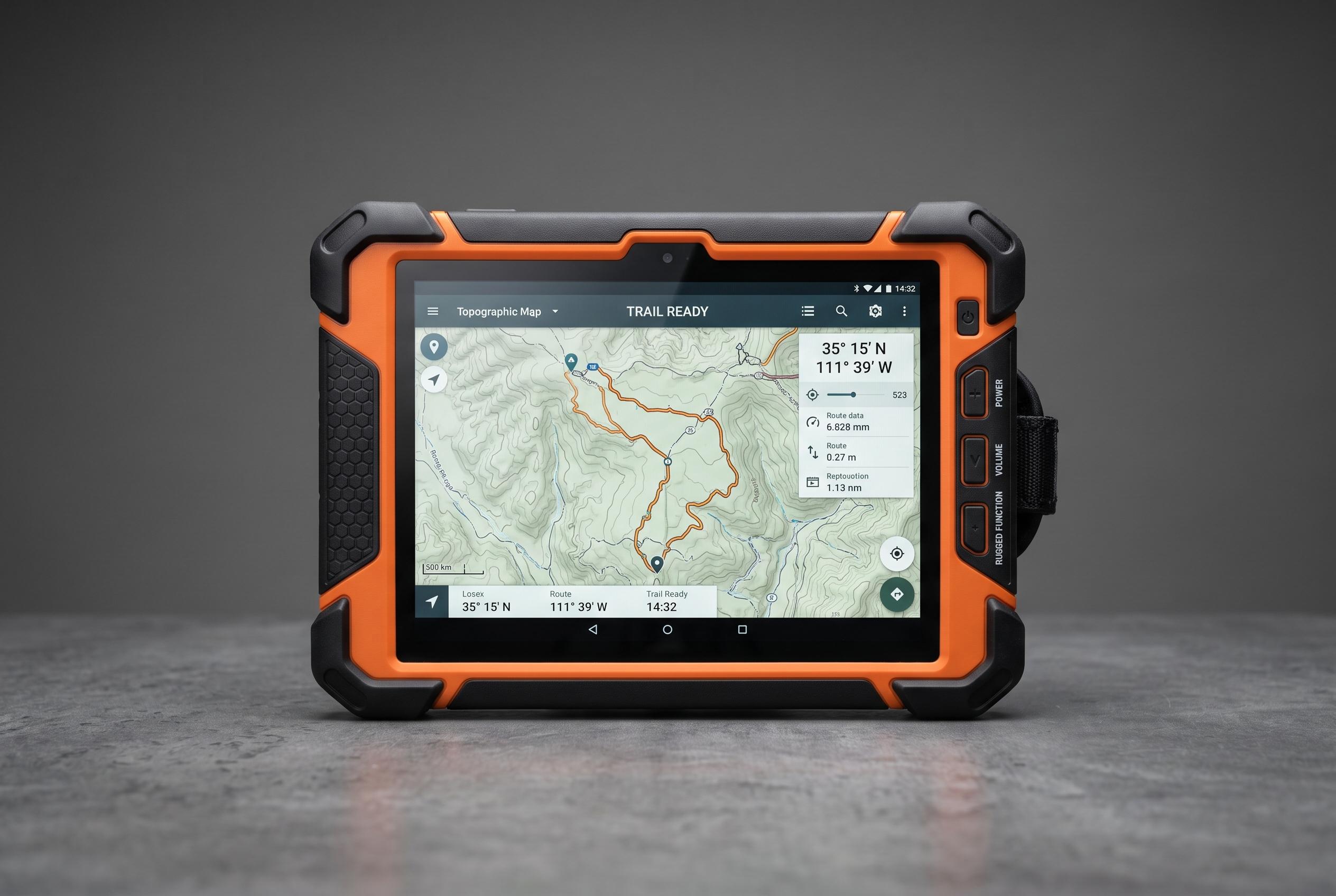

A comprehensive guide offers practical advice on safeguarding portable electronics against the rigours of outdoor adventures, from impact-resistant cases to power management strategies.
Portable electronics have become essential travel companions, but they are also among the easiest items to damage outdoors. A drop on rock, a burst of rain, a dusty trail or a hot car can quickly turn a useful device into an expensive problem. The best protection is usually not complicated: it is a combination of the right accessories, sensible charging habits and a little routine maintenance.
The first line of defence is physical protection. REI advises matching the case to the setting rather than choosing one for looks alone. For rougher conditions, a rugged case with reinforced corners and a raised lip around the screen offers better impact protection than a slim shell. Where moisture is a risk, a sealed pouch or waterproof case is more appropriate. TechTarget notes that the IP, or Ingress Protection, rating system is a useful way to judge how well a product resists dust and water, with higher ratings indicating stronger protection.
A screen protector adds a low-cost layer of insurance. Tempered glass will not make a device indestructible, but it can absorb scratches and some impacts before they reach the display itself. For people who carry phones, cameras or other compact electronics in a backpack or jacket pocket, this extra barrier can be the difference between a minor mark and a repair bill.
Even good protection cannot prevent every accident. If a device suffers water damage or a major impact, specialist repair is usually the safer option. REI warns against relying on old home remedies after exposure to water, because improper drying can leave moisture trapped inside the device and increase the risk of corrosion. A professional technician can assess the damage properly and replace parts without causing further faults.
Power planning matters just as much as physical protection. The Washington Trails Association recommends portable power banks for hikes and remote trips, with solar chargers as a useful supplement on longer journeys. Battery life can also be stretched by lowering screen brightness, switching on battery-saving mode and disabling wireless functions when they are not needed. Portable power stations can help on more demanding trips, but Electrical Trader notes that they should be kept away from water, direct sun and excessive heat.
Environmental exposure is another threat that is easy to underestimate. Sand and dust can clog ports and speaker grilles, while sudden temperature changes can cause condensation inside a device. Digi-Key explains that electronics are vulnerable not only to water and dust, but also to heat, cold and humidity. The practical answer is simple: keep gear in a padded, sealed compartment when it is not in use, clean ports and lenses with a dry cloth, and check cases regularly for cracks or wear. With those habits in place, portable tech is far more likely to survive the journey.
Disclaimer: This content is intended for informational purposes only. Readers are advised to exercise their own judgement, conduct due diligence, or consult a qualified expert before acting on any information provided.