
The USB-C port on modern smartphones is transforming from a simple charging socket into a multifunctional interface, enabling reverse charging, direct file transfer, device connectivity, and supporting professional and creator tools, signalling a new era in mobile device capabilities.
USB-C on a smartphone now does far more than provide power. On modern handsets, the port can carry data, video, audio and accessory connections, turning a single socket into a multi-purpose interface rather than a simple charging point.
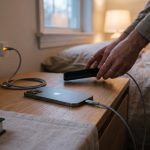
One practical use is reverse charging. With the right cable, a phone can pass power to another handset, wireless earphones or a smartwatch. That makes the device a small emergency power source, particularly useful when no charger is available.
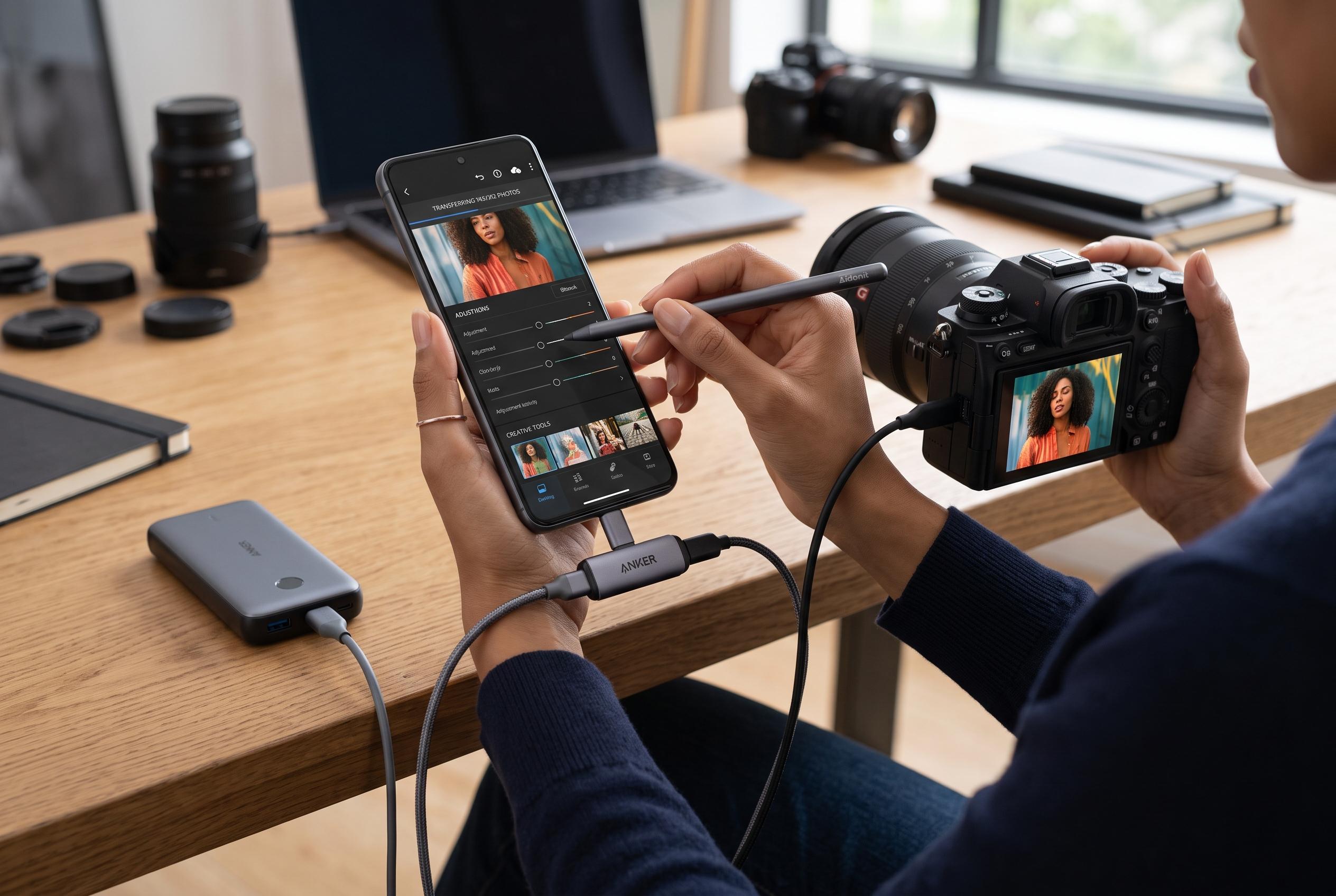
The same port also makes wired file transfer easier. A USB-C flash drive can be plugged in directly, allowing documents, photographs and other files to be moved without cloud services or email. Many drives now include both USB-C and USB-A connectors, which helps when switching between older and newer devices. A compact card reader can serve a similar purpose for photographers and video users, enabling direct transfers from SD and microSD cards.
USB-C can also change the phone’s role as a work tool. A physical keyboard can be attached for longer writing tasks, while a USB-C-to-HDMI adapter can send the display to a monitor or television. That wired route avoids some of the lag and battery drain associated with wireless screen casting. A hub with multiple ports can extend the setup further by adding several accessories at once.
For creators, the port improves audio quality by supporting external microphones, including lavalier and studio models. It can also handle wired headphones and adapters for older 3.5mm audio gear. In gaming, USB-C allows controllers such as PlayStation and Xbox pads to connect with low latency, while specialist grips like Backbone One and Razer Kishi turn a phone into a handheld-style console.
The port’s usefulness extends beyond consumer gadgets. It can connect specialist equipment such as inspection cameras and portable ultrasound scanners, giving the smartphone a role as both display and control unit. That wider compatibility explains why USB-C has become one of the most important features of the modern phone, even though charging remains its best-known function.
Disclaimer: This content is intended for informational purposes only. Readers are advised to exercise their own judgement, conduct due diligence, or consult a qualified expert before acting on any information provided.