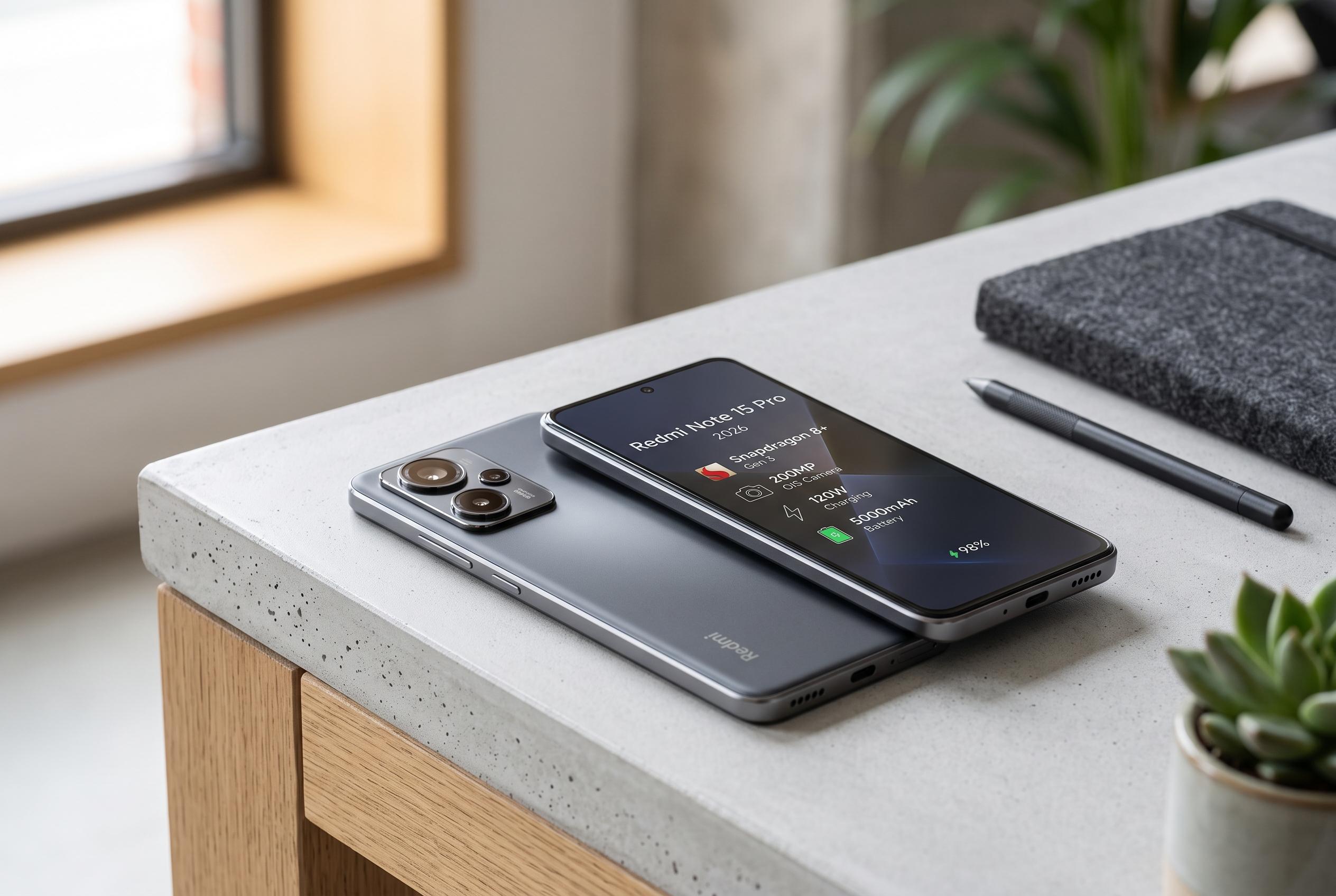

Xiaomi continues to redefine the affordable smartphone market in 2026, offering devices that combine high-end features with modest pricing, challenging perceptions of compromise in entry-level phones.
Xiaomi remains one of the clearest names in budget smartphones in 2026, and Spanish site MovilZona argues that the brand still sets the pace in the low-cost segment. Its latest selection focuses on handsets that keep prices modest while offering features that were once reserved for far more expensive devices, including 120Hz screens, large batteries and usable cameras. The headline point is simple: in the entry-level market, Xiaomi continues to offer unusually strong hardware for the money.
At the top of MovilZona’s list is the Redmi 17, a newly arrived model that, according to the publication, is already available in some Spanish shops for under €200. It pairs a 6.9-inch HD+ LCD with a 120Hz refresh rate, a 50-megapixel main camera and a 7,500mAh battery, alongside HyperOS 3. The phone is positioned as a reminder that basic pricing no longer necessarily means basic specifications. MovilZona also highlights an unusual finish option, including a marble-style texture, which suggests Xiaomi is still using design to distinguish its cheapest devices.
The wider range of affordable Xiaomi phones in the article includes the Redmi 15C, POCO C81 Pro, POCO C85 and Redmi Note 15 4G. MovilZona places the Redmi 15C and the POCO models in the most economical bracket, with 6.9-inch 120Hz displays, 6,000mAh batteries and support for dual SIM and NFC, although they use more modest chipsets and cameras. The Redmi Note 15 4G is the most capable of the group on paper, with an AMOLED panel, Full HD+ resolution, a 108-megapixel camera and 6GB or 8GB of RAM, which makes it the most balanced option for buyers who can stretch slightly beyond the entry floor.
That positioning fits a broader trend in Xiaomi’s portfolio. TechRadar’s mid-2026 guide says the company’s range now spans everything from premium flagships such as the Xiaomi 17 Ultra to more affordable devices that still aim to feel complete, while PhoneArena makes a similar point about the Xiaomi 15T Pro bringing flagship-style features down to a lower price band. In other words, Xiaomi’s budget devices are no longer defined only by compromise; they are increasingly defined by selective trade-offs. The company’s strategy appears to be to keep the cheapest phones practical, while pushing extras such as stronger displays, faster charging and better imaging up and down the range.
Other recent coverage points in the same direction. Digital Camera World reports that the Poco M8 series is trying to reset expectations for inexpensive phones with AMOLED panels, high peak brightness and modern Snapdragon chips, while Notebookcheck says Xiaomi’s Redmi 15A 5G adds 5G, MicroSD expansion, a 3.5mm jack and long software support extending to 2032. Taken together, the coverage suggests that Xiaomi’s low-end line-up is becoming more durable, more connected and more future-proof. For buyers whose main priority is value, that makes the company’s cheapest phones harder to ignore.
Disclaimer: This content is intended for informational purposes only. Readers are advised to exercise their own judgement, conduct due diligence, or consult a qualified expert before acting on any information provided.