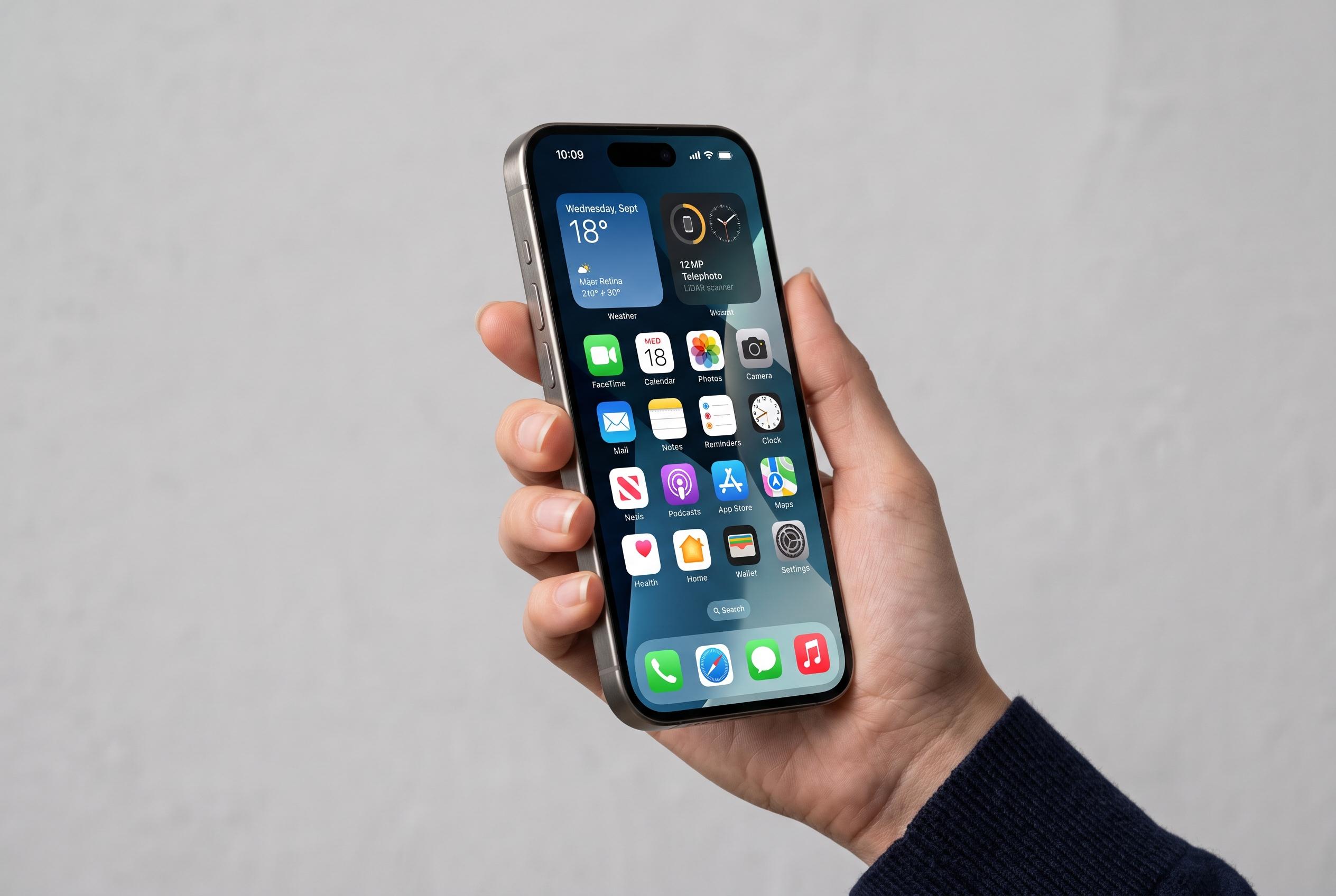

Rising memory component prices, driven by AI demand and supply chain shifts, are set to push the cost of manufacturing the upcoming iPhone 18 range higher, potentially leading to substantial price increases for consumers.
Apple’s next flagship iPhone line is shaping up to be more expensive to make, and that cost pressure is increasingly centred on memory. TrendForce says component inflation, particularly in storage and DRAM, is expected to push up the bill of materials for the iPhone 18 range, with the 256GB iPhone 18 Pro estimated to cost about 38% more in parts than its predecessor. The research firm says memory, which accounted for roughly a tenth of parts cost last year, could exceed 40% next year.
That shift matters because memory has become the main battleground in the wider chip market. TrendForce says prices have risen sharply as AI demand absorbs supply, and it notes that some smaller smartphone makers may have little choice but to lift retail prices or abandon lower-margin models altogether. The report also suggests Apple is unlikely to absorb the full increase indefinitely, even if it tries to protect demand with tighter pricing elsewhere in the range.
Separate reports point in the same direction. According to Tom’s Guide, Counterpoint Research has projected that the iPhone 18 Pro Max could see a build-cost jump of about $300, with consumer pricing rising by $250 to $350 in some configurations. MacRumors, citing TechInsights and the Wall Street Journal, reported that Apple may need to raise prices to preserve margins, while chief executive Tim Cook said the company had been trying to shield customers but that the situation had become “unsustainable”.
The supply strain is also affecting production planning. TechRadar reported that TSMC is holding about $1 billion worth of completed Apple A20 Pro chips while it waits for DRAM, because Apple has shifted to a packaging process that needs memory earlier in the production flow. That change is intended to support more capable on-device AI features, but it also leaves Apple more exposed to shortages and weaker initial inventory at launch. Against that backdrop, analysts quoted by MacRumors have suggested the iPhone 18 Pro could end up materially dearer than the iPhone 17 Pro, even if Apple tries to offset some of the pressure through component negotiations, storage-tier pricing or trade-in incentives.
Disclaimer: This content is intended for informational purposes only. Readers are advised to exercise their own judgement, conduct due diligence, or consult a qualified expert before acting on any information provided.