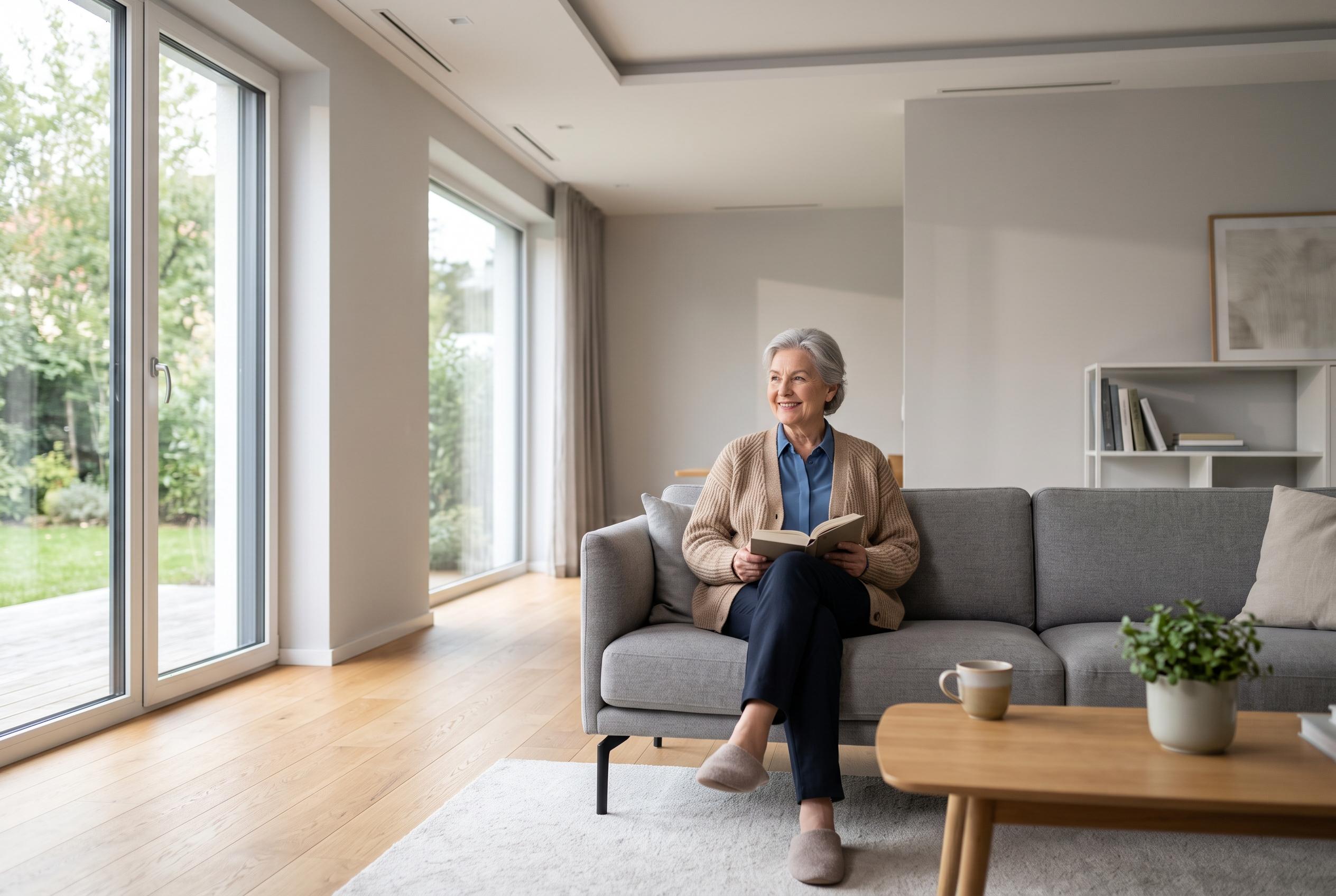

Emerging ambient radar systems present a privacy-conscious alternative to wearables and cameras, enhancing safety for older adults living alone without compromising their privacy.
Families caring for older relatives who live alone often want the same two things at once: reassurance and respect for privacy. The worry is not only whether a parent has fallen, but whether anyone will know quickly if they need help. The article by Grand Magazine frames that problem as a daily tension between safety and independence, especially when a loved one still insists on managing on their own.
Traditional pendants and alarm buttons have long been the default answer, but they depend on the wearer remembering to press them at the right moment. Grand Magazine notes that this can fail precisely when it matters most, since many falls leave people confused, dizzy or unable to act. The article also points to a study in the New England Journal of Medicine that found outcomes worsen sharply the longer someone remains unattended after becoming helpless.
Smartwatches solve some of those weaknesses, but introduce others. They may offer fall detection, GPS and activity tracking, yet they must be charged regularly and are often left on a bedside table overnight. That reduces their usefulness during exactly the hours when many incidents occur. As Grand Magazine argues, they also bring a wider set of privacy concerns because they rely on apps, cloud services and ongoing data permissions.
For that reason, ambient radar is presented as a more discreet alternative. Unlike cameras, it does not record images or sound, and it can operate in darkness. The technology registers movement without creating a visual feed, which makes it easier to place in private spaces such as bathrooms or bedrooms. Related product information from KuboCare, Inlisol, Possumic, Vivago and Akuvox shows that radar-based monitoring is already being used for fall detection, bed-exit alerts, sleep tracking and broader activity monitoring, often with a focus on contactless care.
That does not mean radar is perfect. Grand Magazine notes that no system can guarantee detection of every fall, and any household considering one should still ask practical questions about responsiveness, night-time coverage, emergency escalation and data handling. The central issue is not simply whether a device can detect movement, but whether it can deliver help without turning a home into a place that feels watched.
Disclaimer: This content is intended for informational purposes only. Readers are advised to exercise their own judgement, conduct due diligence, or consult a qualified expert before acting on any information provided.