
As falling prices, advanced AI features, and diverse applications propel connected glasses into mainstream use, novel devices are transforming independence for those with sight loss, despite challenges around privacy and durability.
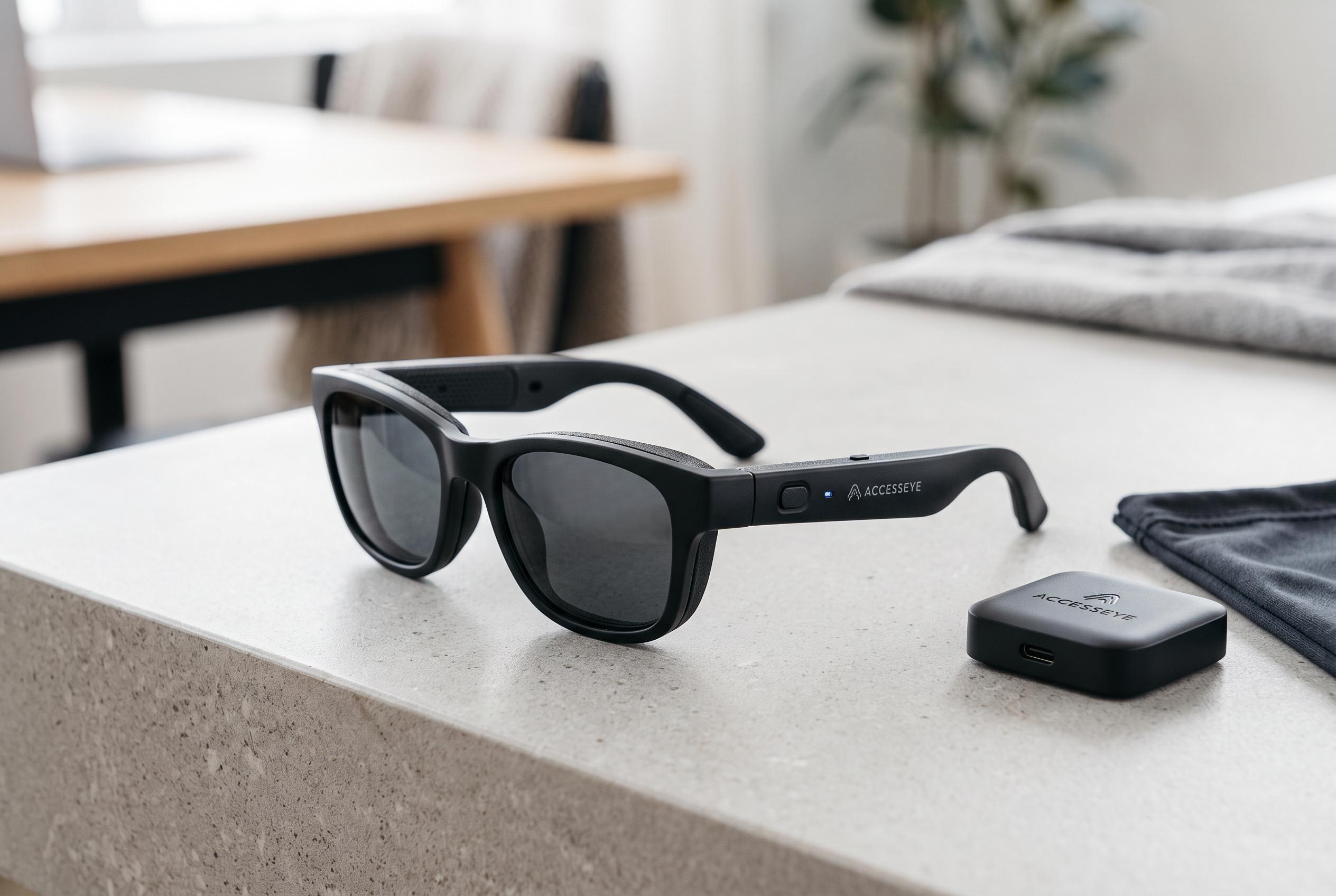
Connected glasses are moving from niche gadgets to a more practical assistive tool, helped by falling prices, faster AI features and a widening range of uses. For people with sight loss, the appeal is straightforward: the devices can answer spoken commands, identify what the wearer is looking at, take photos and video, handle calls, translate text and play audio through built-in earphones. In that sense, they are beginning to function less like novelty wearables and more like everyday support devices.
For some users, the change is immediate and personal. Colette Dentelle, an 83-year-old woman with visual impairment, told the French newspaper Correo del Caroní that her Ray-Ban Meta glasses help her find the bus stop, read labels in shops and recover misplaced keys. “¡Me cambian la vida constantemente!”, she said. Her experience reflects the main promise of the category: greater independence in routine tasks that are otherwise difficult or impossible without help.
The market is expanding quickly. Omdia estimates that 8.7 million AI-enabled glasses were sold worldwide in 2025, while Counterpoint said shipments of connected glasses without a display more than tripled in the first quarter of 2026. Meta remains the clear leader, with its Ray-Ban Meta and Oakley Meta models developed with EssilorLuxottica, but competition is intensifying in China, where Xiaomi, Huawei and Rokid are pushing in, and in India, where lower prices are helping adoption.
Retailers are already seeing the effect. A Paris optician quoted by Correo del Caroní said demand for Meta-branded frames has been strong enough that he prefers to order them as customers request them rather than hold large stocks. He said the business case is only neutral if prescription lenses are also sold, because prices have to match the manufacturer’s website. One buyer, Paris-based engineer Ayoub Benheddi, said his health insurance paid the full €500 cost of a pair with tinted prescription lenses, which he used for hands-free filming of trips, sports and outings.
The technology is still imperfect. Battery life remains a limitation, and recording is said to stop automatically after three minutes, a restriction that some users see as tied to privacy controls. That concern is central to the debate around smart glasses: while a visible indicator is meant to show when a camera is active, users on Reddit have discussed ways to disable it, raising fears of covert recording. In response, a separate app called Nearby Glasses has been developed to warn users when AI glasses are nearby.
Beyond Meta’s mainstream products, a wider assistive market is taking shape. A Raspberry Pi-based “third eye” headset described by Tom’s Hardware uses AI to give real-time audio guidance to visually impaired users. Research published on smart glasses for shopping assistance also points to object recognition and spoken navigation as useful tools in retail settings. Other companies, including ClawAssist, Fovionics and Eyedaptic, are marketing glasses aimed at text reading, obstacle detection and environmental description, often with prescription support and lower-cost positioning. The direction of travel is clear: smart glasses are becoming part of the broader accessibility toolkit, even as privacy, durability and price remain unresolved.
Disclaimer: This content is intended for informational purposes only. Readers are advised to exercise their own judgement, conduct due diligence, or consult a qualified expert before acting on any information provided.