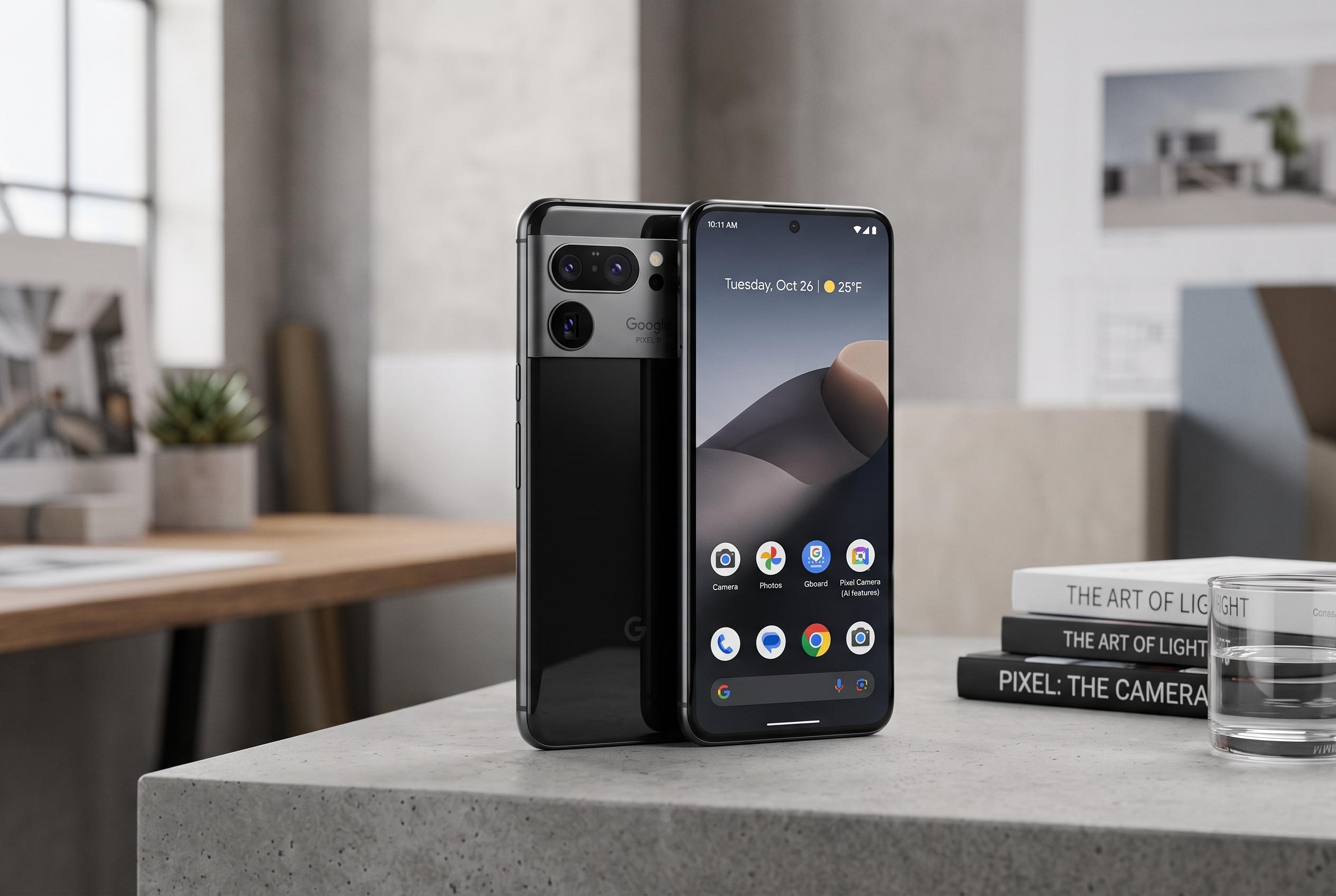

Google launches the Pixel 11 series with upgraded AI-driven features and advanced camera technology, but questions arise over the value and consumer reception of their increased AI focus in a competitive market.
Google’s latest phone launch underlines how firmly the industry has tied its fortunes to generative AI, even as the case for many of those features remains unclear. The Pixel 11 family arrives with fresh chips, larger default storage and a heavier emphasis on on-device Gemini tools, but the broader question is whether consumers see these additions as meaningful improvements or simply more functions searching for a problem.
According to Android Central, the new range was announced on 12 August 2026 and includes the Pixel 11, Pixel 11 Pro, Pixel 11 Pro XL and Pixel 11 Pro Fold. The phones are built around Google’s Tensor G6 chip, with a stronger AI processor, while the standard model now starts at 256GB of storage. Google has also added a “HiLight” indicator on the Pro models, intended to show when the assistant is active, even when the device is face down.
Camera hardware and software remain central to the pitch. Digital Camera World reported that Google is claiming a 48-megapixel main camera with improved light sensitivity on the standard handset, alongside a 5x telephoto lens and up to 30x Super Zoom. The Pro versions go further, with a 50-megapixel main sensor, a 48-megapixel telephoto unit and more ambitious zoom features, while software such as Magic Capture and advanced unblurring tools is designed to make pictures look more polished after the fact.
Yet the marketing also highlights the tension at the heart of the current smartphone cycle. What Hi-Fi? noted that the new devices run Android 17 and fold Gemini features into everyday tasks such as voice-to-text, image editing and Circle to Search, while T3 reported that Google has cut the complimentary AI Pro subscription bundled with the Pixel 11 series from 12 months to six. That suggests the company is not only asking buyers to pay for more AI, but also reducing the incentives attached to it, even as rivals Apple and Samsung continue to push similar assistant-led features of their own.
Disclaimer: This content is intended for informational purposes only. Readers are advised to exercise their own judgement, conduct due diligence, or consult a qualified expert before acting on any information provided.