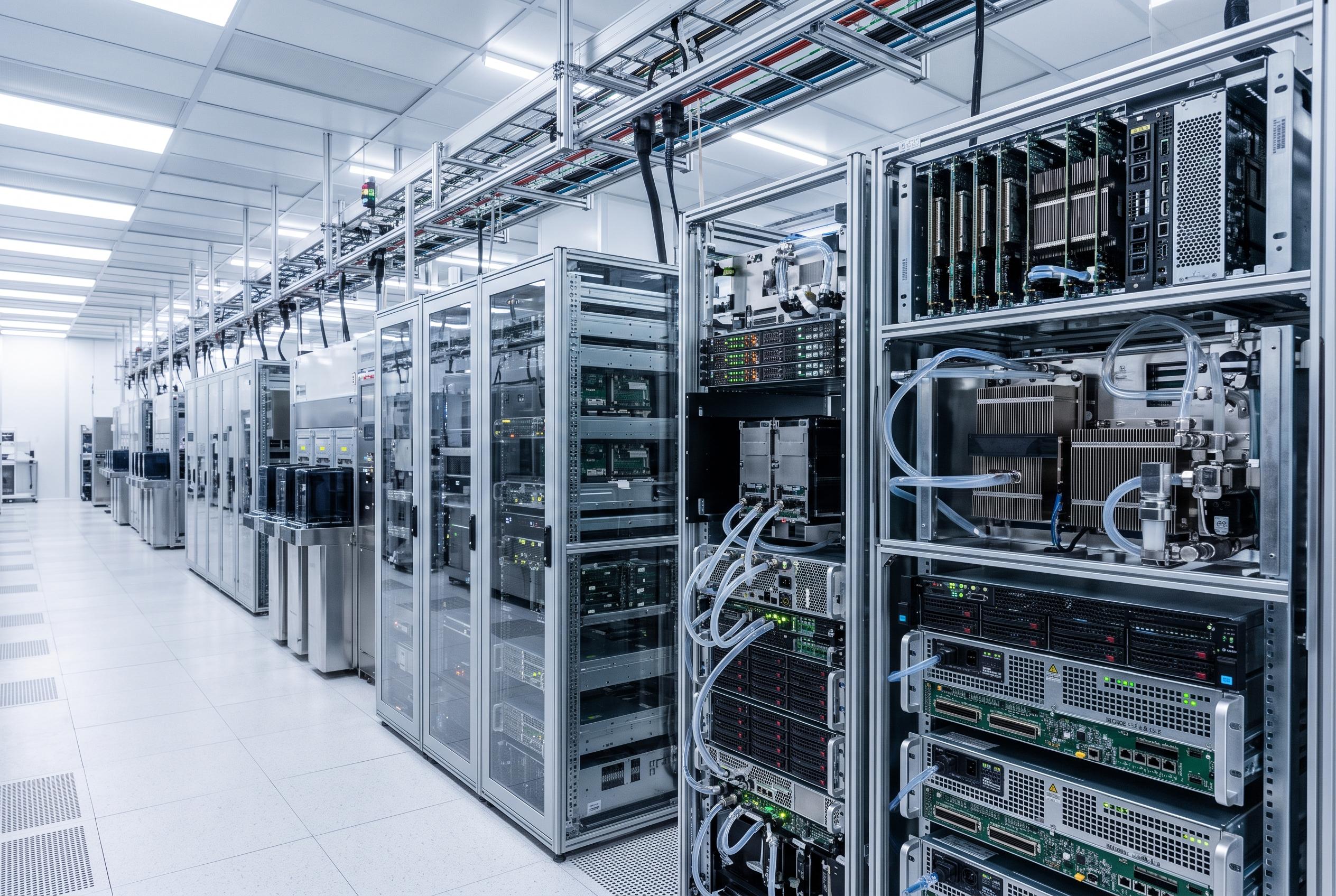

Samsung’s first-half 2026 exports reveal a significant shift in trade dynamics, with China overtaking the US as the main destination for its chips, driven by AI hardware demand and looming US license renewals.
Samsung Electronics shipped more chips to China than to the United States in the first half of 2026, a striking reversal that reflects how demand for artificial intelligence hardware is reshaping trade flows across the semiconductor industry. According to the company’s semi-annual report, exports to China reached about $62.5 billion, up 207.7% year on year, while shipments to the US rose to roughly $49.8 billion, more than double the level a year earlier. The figures also show how closely Samsung’s China operations remain tied to a US annual export licence that is due to expire on 31 December 2026.
The numbers underline Samsung’s role as a supplier to both sides of the US-China technology rivalry. Reuters reported last year that Washington replaced Samsung’s earlier validated end-user status with annual approvals for equipment imports into its Chinese fabs, a change that tightened oversight of advanced chipmaking tools bound for China. Business Standard and other reports said the 2026 licences were intended to keep existing production running rather than allow major expansion or new technology upgrades.
Much of the shift is being driven by high-bandwidth memory, or HBM, the specialist chip that has become essential to frontier AI systems. Samsung’s latest HBM products are built to move data at far higher speeds than conventional memory, and the company has said it began mass production of HBM4 in February 2026. The report indicates that the semiconductor division was responsible for almost all of Samsung’s operating profit in the first half, while also generating record investment in research and capital spending.
The China total is not simply a sign of strategic preference. Samsung’s shipments there include a broader mix of products, such as NAND flash, mobile memory and display-related chips, alongside server memory for data centres. By contrast, exports to the US are more concentrated in higher-value AI memory products supplied to American cloud providers and chipmakers. That difference in product mix helps explain why China received more in dollar terms even though the US remains central to Samsung’s most advanced AI-related business.
The company’s Chinese manufacturing base adds another layer of risk. Samsung’s Xi’an NAND site depends on the annual US licence to keep importing controlled equipment, and any delay or refusal in renewal would not shut the plant immediately but would make maintenance and upgrades harder over time. Reuters has previously reported that the same annual licensing structure also applies to SK Hynix’s Chinese facilities, showing that South Korea’s two biggest memory makers now operate under similar constraints.
For Samsung, the first half of 2026 was therefore both a record and a warning. The AI boom has lifted chip exports, margins and investment to unprecedented levels, but it has also tied a large share of that growth to a licence renewal decision in Washington. The company’s semi-annual report shows how much of the semiconductor supercycle now depends on one recurring question: whether China-facing production can keep running under US rules for another year.
Disclaimer: This content is intended for informational purposes only. Readers are advised to exercise their own judgement, conduct due diligence, or consult a qualified expert before acting on any information provided.