
Samsung’s latest foldable device aims to redefine mobile productivity with a versatile form factor, but trade-offs in durability, camera, and charging highlight its niche appeal amid ongoing industry fragility concerns.
Samsung’s latest book-style foldable is being positioned as a serious productivity device, but it remains a product of trade-offs. In a review for Geeky Gadgets, Max Tech argues that the Galaxy Z Fold 8 is best understood as a phone for people who value flexibility over absolute refinement. Its appeal lies in the way it moves between a compact everyday handset and a larger screen for work or entertainment, rather than in any single headline specification.
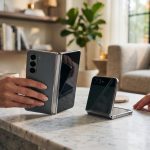
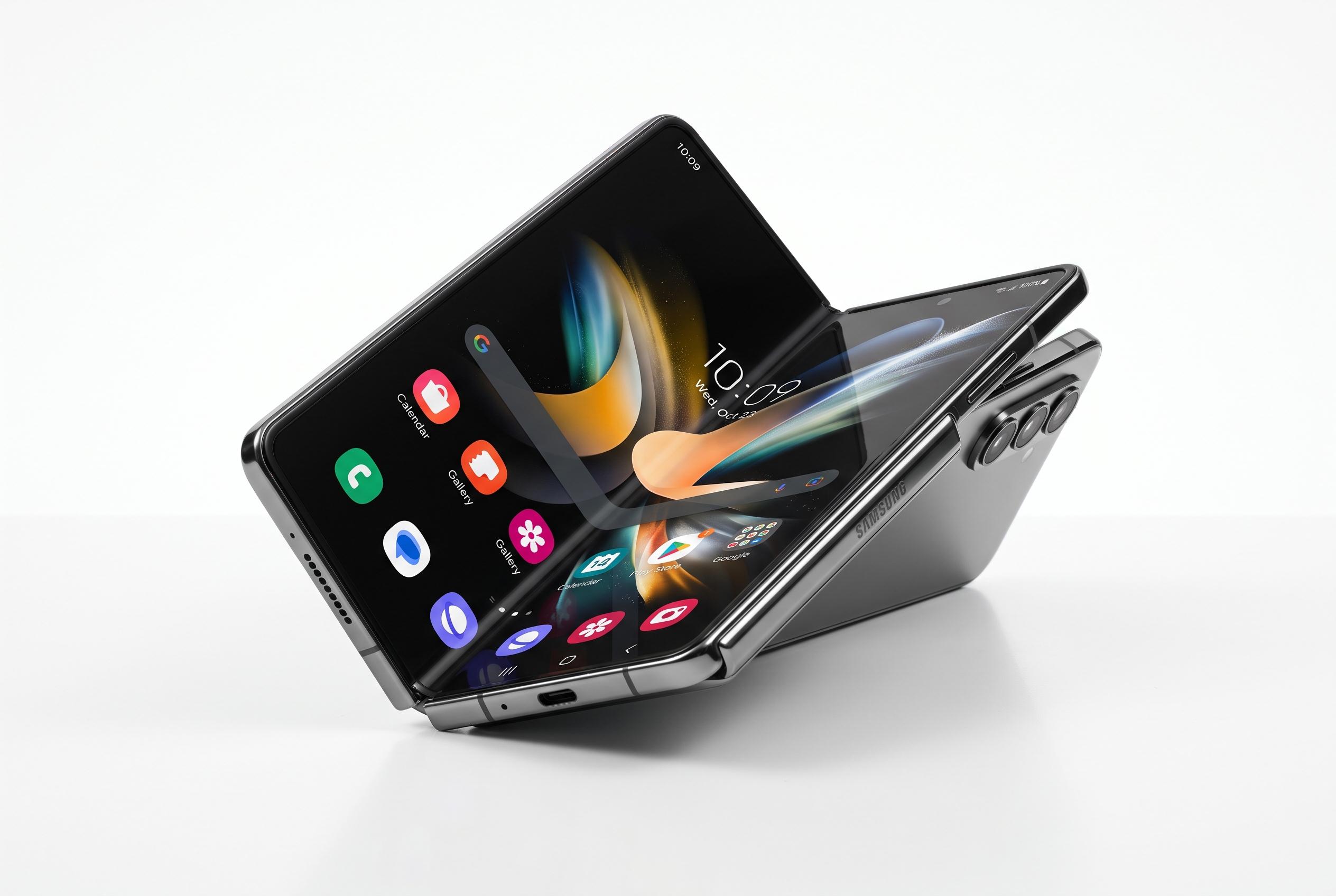
The cover screen is one of its most practical features. At 5.5 inches, it is easier to hold, quicker for brief tasks and less awkward than many large flagships. Open the device and the inner display becomes the main event, with a 4:3 panel that is well suited to split-screen use, reading and media. Max Tech says the software can keep up to three apps active at once, which gives the phone a clear edge for people who regularly switch between email, notes, browsing and file handling.
Battery life depends heavily on how the phone is used. The outer display is relatively frugal, but the larger folding panel draws more power, especially during gaming or video playback. Charging is also only average by current standards, with 20W support, which trails faster rivals. The lack of built-in MagSafe-style magnets further limits convenience for users who rely on magnetic mounts and chargers.
There are, however, notable compromises. The camera system does not include a telephoto lens, which reduces zoom flexibility and weakens its appeal for serious mobile photographers. Audio is another weak point, with both speakers placed on the same side of the device, undermining stereo separation. Heat is also a concern; under sustained load, the handset can become hot enough to affect comfort and performance.
Durability remains a more serious question for the foldable category as a whole. Android Central reports that Samsung’s Galaxy Z Fold 8 carries IP48 protection, which covers dust particles larger than 1mm and allows freshwater immersion to 1.5 metres for up to 30 minutes, but not complete dust resistance. TechRadar also reported that iFixit found fine sand could interfere with the hinge in teardown testing, underscoring how vulnerable foldables can still be to everyday grit. That concern sits alongside a wider industry push, with Google’s upcoming Pixel 11 Pro Fold being promoted as tougher and rated IP68, reflecting pressure on Samsung to improve long-term resilience.
In practice, the Galaxy Z Fold 8 looks strongest as a specialist device rather than a universal one. Tom’s Guide recently placed it ahead of competing foldables on software polish, multitasking and day-to-day usability, while still noting that the foldable form factor remains a niche choice. That assessment fits the broader picture here: the Z Fold 8 offers a compelling blend of portability, screen space and productivity, but buyers will still have to accept weaker cameras, modest charging and the inherent fragility of a folding design.
Disclaimer: This content is intended for informational purposes only. Readers are advised to exercise their own judgement, conduct due diligence, or consult a qualified expert before acting on any information provided.