
Adjusting key display and notification settings on Google Pixel phones can improve usability, conserve battery, and make everyday interactions more seamless, revealing features many users overlook.
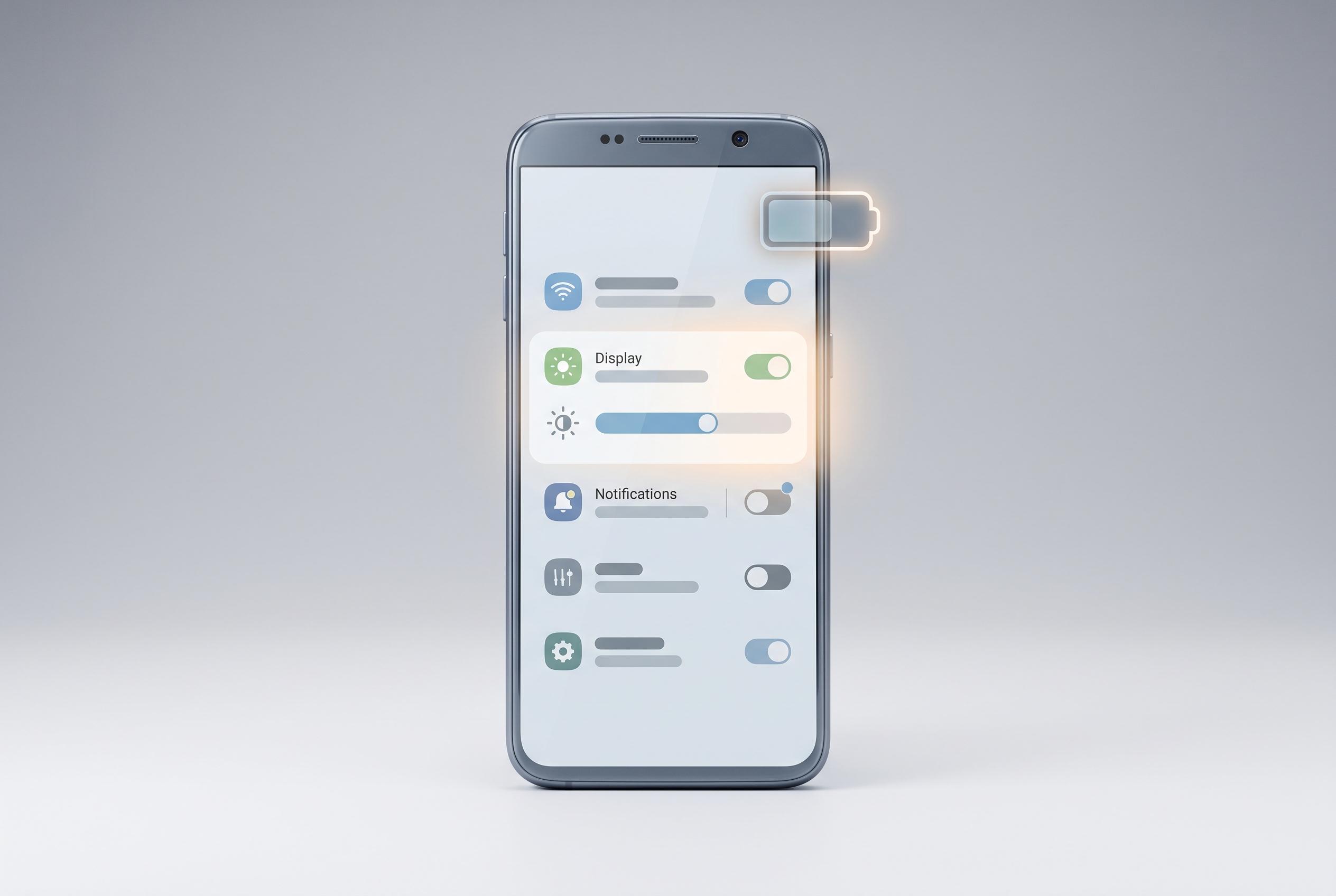
Google Pixel phones are designed to feel polished out of the box, but some of the most useful controls are not set the way many people would choose. In practice, a short pass through the display, gesture and home-screen settings can make the device quicker to read, less distracting and more comfortable to use day to day. The changes below focus on the options that most directly affect screen behaviour, notification handling and the Pixel home experience.
One of the most useful adjustments is Screen Attention. Google’s support pages explain that this feature keeps the display awake while you are looking at it, using the front camera to detect your gaze. It pairs well with a shorter screen timeout, because the phone can still save battery by switching off quickly when you are not using it, while avoiding the frustration of a screen that blanks mid-article or mid-message. Google also documents Adaptive Timeout, which can turn the display off earlier when the phone is idle.
A related change is Auto-rotate with face detection. Standard auto-rotate can be useful, but it is also prone to awkward flips when you are lying down or holding the phone at an odd angle. Adding face detection gives the system a second signal beyond the motion sensors, so the screen orientation is less likely to change unless your posture genuinely warrants it. That makes the setting more predictable for reading, browsing and video.
It is also worth turning off At a Glance if you want more control over the home screen. For a long time, Pixel users had little choice but to keep Google’s date-and-weather panel at the top of the launcher. That changed with Android 16, which finally made the widget optional. Removing it frees up space for apps or a different widget, and gives the home screen a cleaner, less prescriptive layout.
Another worthwhile change is to restore the power button to the power menu. On recent Pixels, a long press can open Google’s assistant instead, but the assistant can already be launched in several other ways. Switching the gesture back to the power menu makes the button behave more traditionally and is usually faster if you still want quick access to restart, shut down or emergency options. For users who prefer a more customised setup, third-party tools can reassign the button further, but the built-in option is the simplest fix.
Finally, Flip to Shhh can make notification handling far less fiddly. If you are in a meeting, at dinner or simply trying not to disturb others, placing the phone face down can automatically enable Do Not Disturb, then disable it again when you pick it up. That is a practical safeguard against both common mistakes: forgetting to mute the phone in the first place, or leaving it silent long after the moment has passed.
The broader point is that a Pixel works best when its defaults are treated as a starting point rather than a finished product. Google has added many genuinely smart features, from screen gaze detection to adaptive timing and gesture-based controls, but the most useful setup is still the one that matches how you actually use your phone.
Disclaimer: This content is intended for informational purposes only. Readers are advised to exercise their own judgement, conduct due diligence, or consult a qualified expert before acting on any information provided.