
Recent testing reveals that smartphone USB-C ports have grown beyond basic charging and data transfer, capable of supporting wired networking, peripherals, audio, video, and even desktop-like functionalities, redefining the device’s potential in critical situations.
A smartphone’s USB-C port is doing far more work than most owners realise. Beyond charging and file transfer, recent testing on Android devices shows it can handle wired networking, peripherals, audio gear and even video capture, turning a handset into a useful emergency workstation. MakeUseOf’s experiment with a range of accessories suggests that the port’s real value lies in how quickly it can adapt to situations where a laptop, desktop or dedicated accessory is unavailable.
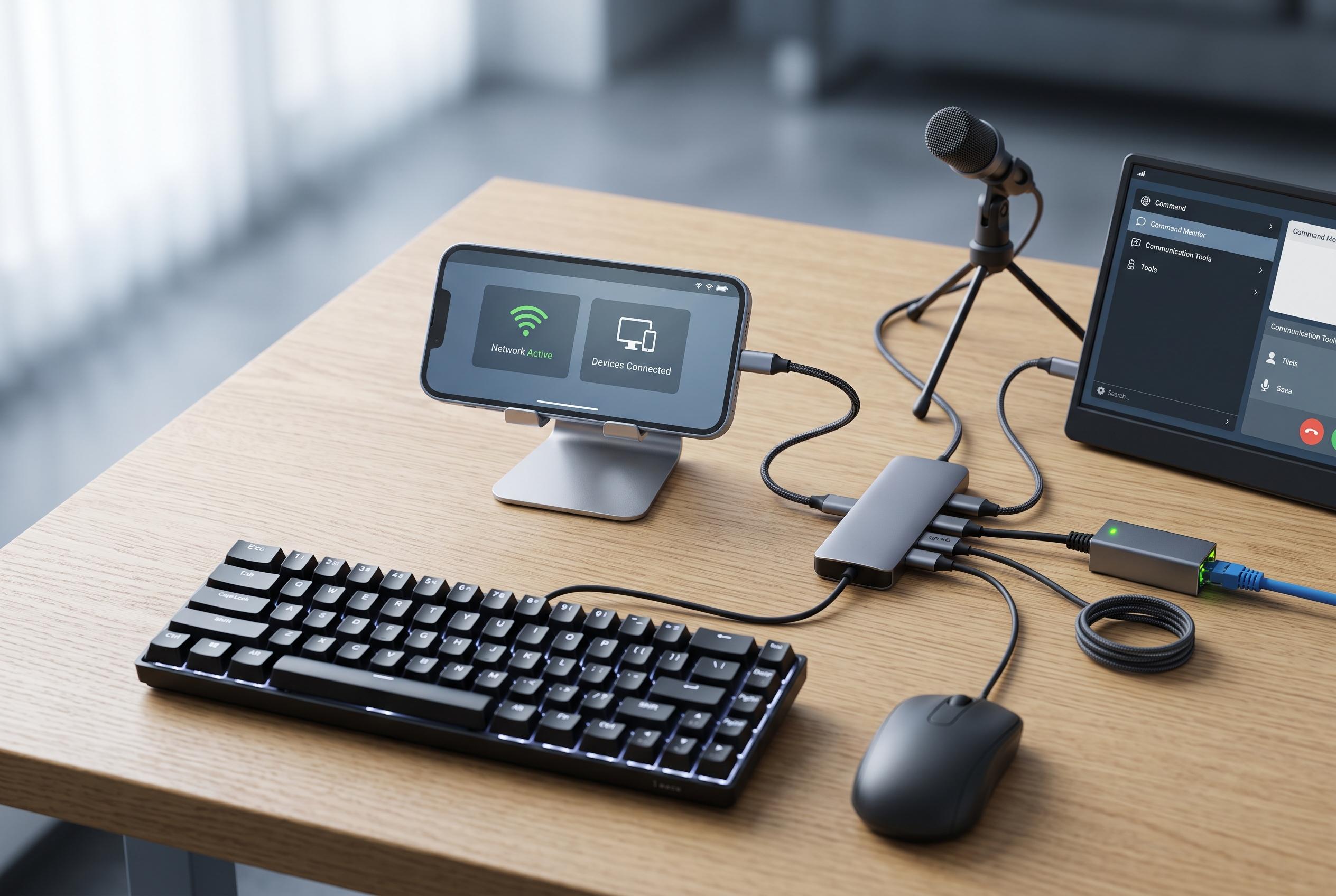
One of the clearest examples is wired Ethernet. A phone connected through an adapter can switch from Wi-Fi to a cable-based link almost immediately, giving a more stable connection and, in the test described by MakeUseOf, significantly faster speeds than the phone’s usual wireless performance. That kind of setup is not everyday behaviour for most users, but it can be useful when Wi-Fi is unreliable or when a steadier connection matters more than convenience.
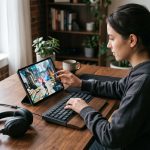
The same applies to basic input devices. A USB mouse and keyboard can be recognised by many Android phones without special software, and that can be invaluable if a touchscreen fails. MakeUseOf described using a mouse to unlock a damaged phone, recover data and continue using the device before repair. Combined with desktop modes such as Samsung DeX, the phone becomes a compact substitute computer for typing, navigation and short periods of work away from a proper machine. Android Authority has similarly reported that users commonly rely on USB-C for keyboard, mouse and DeX-style output.
Other accessories extend the phone’s role further. Travel routers can use a phone’s data connection to create a local wireless network, albeit with a drain on battery life. Game controllers also work well over USB-C, offering lower-latency input than Bluetooth for mobile games and cloud streaming services. A printer can appear as an output option straight from the share menu, while a USB microphone can markedly improve recording quality for creators or anyone needing clearer audio than the built-in microphone can provide.
The most surprising uses are perhaps the more specialised ones. MakeUseOf found that a compatible capture card lets a phone record or stream HDMI sources, including consoles and cameras, provided the hardware supports the necessary transfer speeds. It also reported that two phones can be linked directly for file transfer, charging or internet sharing, and that external webcams can feed video into Android apps. These uses echo wider reporting from Macworld, SlashGear, BGR and Xataka, which have all highlighted similar USB-C capabilities across iPhone and Android devices, including external storage, reverse charging, Ethernet and camera input.
None of this means USB-C accessories should replace ordinary gear in daily use. Most are best viewed as contingency tools rather than essentials. But the broader lesson is clear: the port on the bottom of a phone is no longer just for power and sync. In the right circumstances, it can provide networking, control, audio, video and even makeshift desktop functionality, which makes it one of the most underrated features on a modern handset.
Disclaimer: This content is intended for informational purposes only. Readers are advised to exercise their own judgement, conduct due diligence, or consult a qualified expert before acting on any information provided.