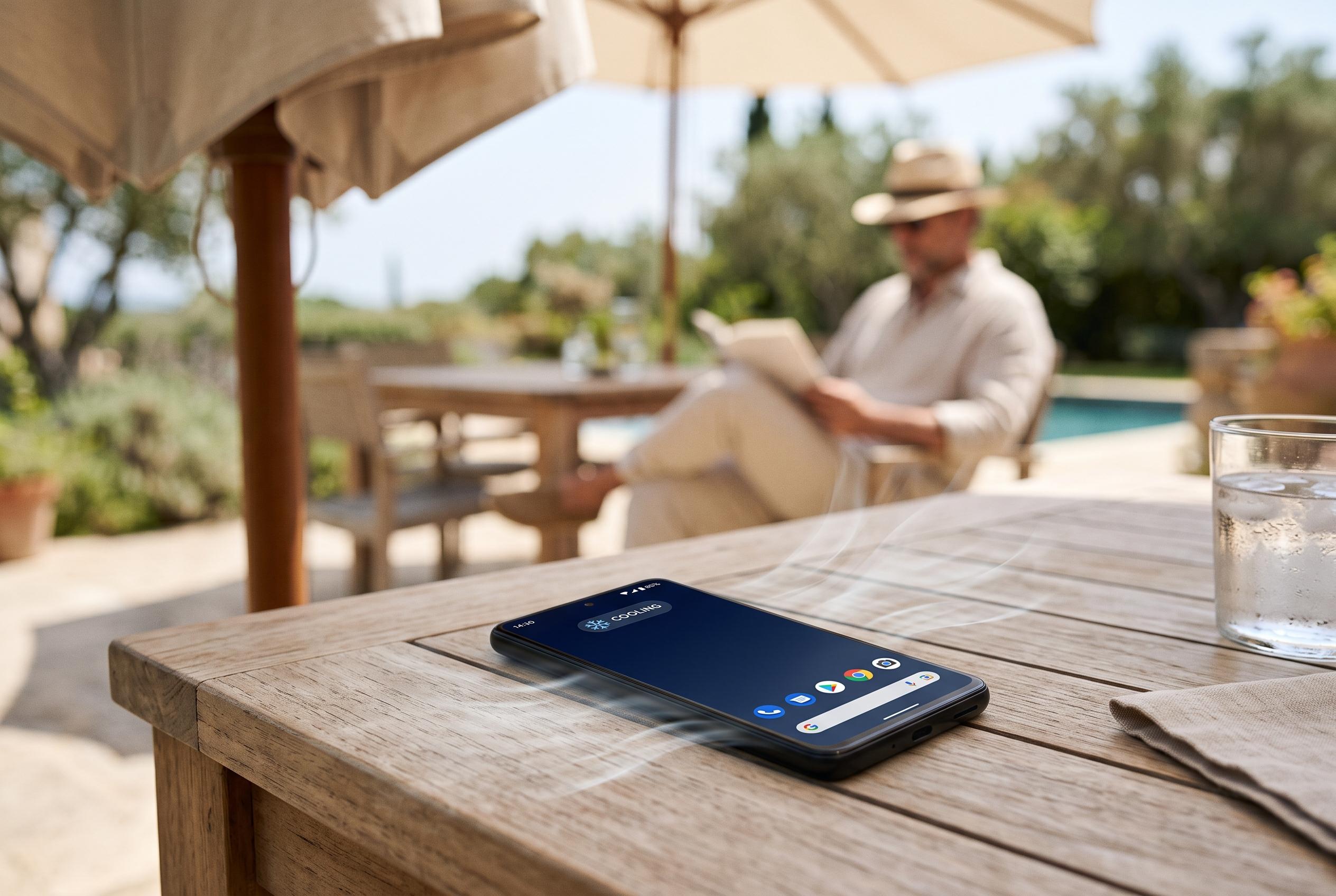

Experts warn that prolonged high temperatures can damage Android smartphones, but simple habits like removing cases and adjusting settings can help keep devices cool and prevent long-term damage during heatwaves.
During prolonged heatwaves, Android phones can become more than merely uncomfortable to hold. They may throttle performance, shut down unexpectedly, or suffer long-term battery damage. Android Police, as summarised in the supplied material, warns that ordinary habits often turn a hot day into a much worse problem by trapping heat inside the device and forcing already strained components to work harder.
One of the most common mistakes is keeping a thick case on the handset when temperatures climb. Silicone and TPU covers can act as insulation, slowing the release of heat generated by the processor, display and battery. Several of the referenced guides also advise removing the case while charging, or whenever the phone begins to feel unusually warm, so the handset can shed heat more effectively. Background activity can have the same effect. Features such as hotspot mode, Always-on Display, 5G and heavy multitasking all increase power draw, which in turn raises internal temperature. Guidance from the related reports is consistent: lower screen brightness, reduce refresh rate where possible, and switch to 4G or Bluetooth LE if faster or higher-power connections are not essential.
Charging habits matter as well. Fast charging is convenient, but it also converts more energy into heat, especially in hot weather. The supplied sources note that slower charging is generally the safer option when ambient temperatures are high, particularly if the phone is already warm from use. Other common triggers include direct sunlight, intensive gaming, streaming video, poorly optimised apps and software faults. PhoneCheck and other cited explainers also point to faulty or incompatible chargers as a risk factor, since unstable power delivery can add strain to the battery and internal circuits.
If the device is becoming hot to the touch, the priority is to reduce load immediately. That means stopping demanding apps, turning off features that are not needed, moving the phone out of sunlight and, if necessary, placing it in a cooler area rather than trying to cool it suddenly. AndroidScroll notes that temperatures above 45°C during normal use are a warning sign that should not be ignored. The practical advice across the supplied material is straightforward: reduce demand, improve ventilation and avoid habits that trap heat. That approach is usually enough to prevent a temporary overheating episode from becoming a hardware problem.
Disclaimer: This content is intended for informational purposes only. Readers are advised to exercise their own judgement, conduct due diligence, or consult a qualified expert before acting on any information provided.