
Zoe Ball’s joke highlights a pressing concern: while smart speakers and phones are designed with privacy features, accidental recordings, hacking, and data collection remain risks. Experts recommend simple measures to safeguard personal information.
Zoe Ball’s joke about talking to her phone taps into a real concern: many connected devices do collect voice data, but not all of them do so in the same way. Smart speakers are built to wait for a wake word, such as “Alexa” or “Hey Siri”, before they begin recording and sending audio to the cloud for processing. They are not supposed to listen constantly in the background, although that does not remove every privacy risk.
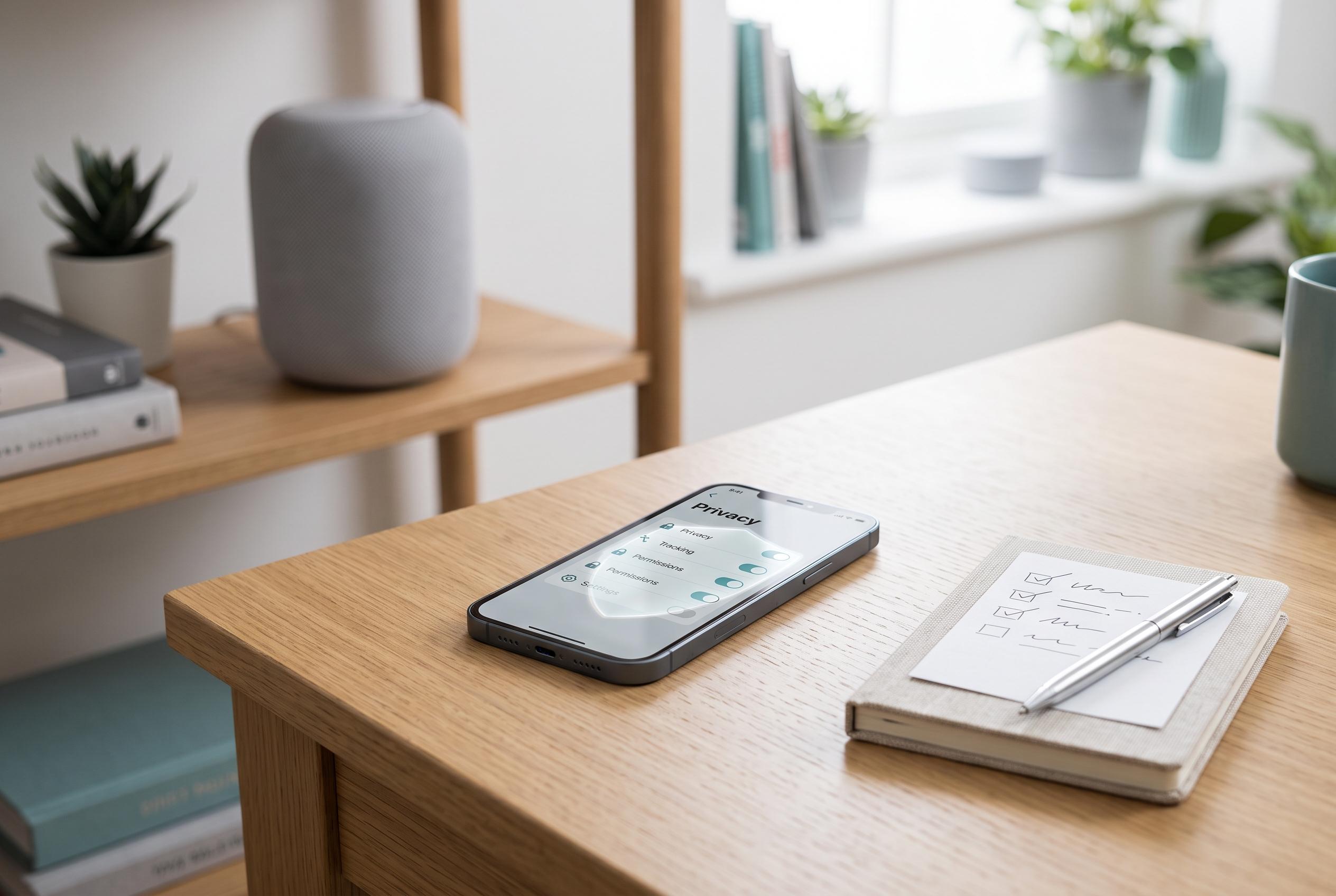
Smartphones are similar, but with more control in the settings menu. Consumer Reports says users can usually disable voice assistants and review microphone permissions for individual apps. That matters because there is no clear public evidence that major advertising platforms use raw audio for targeting, even though Google, Meta and Amazon deny doing so. The stronger concern is not necessarily eavesdropping for ads, but the amount of sensitive data that a phone can still gather through app permissions, location services and voice features.
Consumer Reports also notes research from Northeastern University showing that smart speakers can start recording by mistake when they mishear words that sound like wake phrases. Comparitech and Kaspersky both warn that accidental activations, technical flaws and hacking remain genuine issues. The practical response is straightforward: mute microphones when devices are not in use, delete stored recordings, and limit permissions on any app that does not truly need access to the microphone.
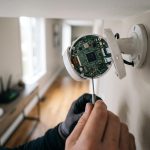
Other home gadgets are generally less intrusive than many people assume. Smart vacuum cleaners may map rooms and capture images, but most do not include microphones. Washing machines, tumble dryers and dishwashers rarely have voice capture hardware at all. Home security systems are the clearest exception, because audio and video monitoring are part of the product’s purpose. Even then, the privacy trade-off depends on how the system stores data, who can access it and whether the user has tightened the settings.
Disclaimer: This content is intended for informational purposes only. Readers are advised to exercise their own judgement, conduct due diligence, or consult a qualified expert before acting on any information provided.