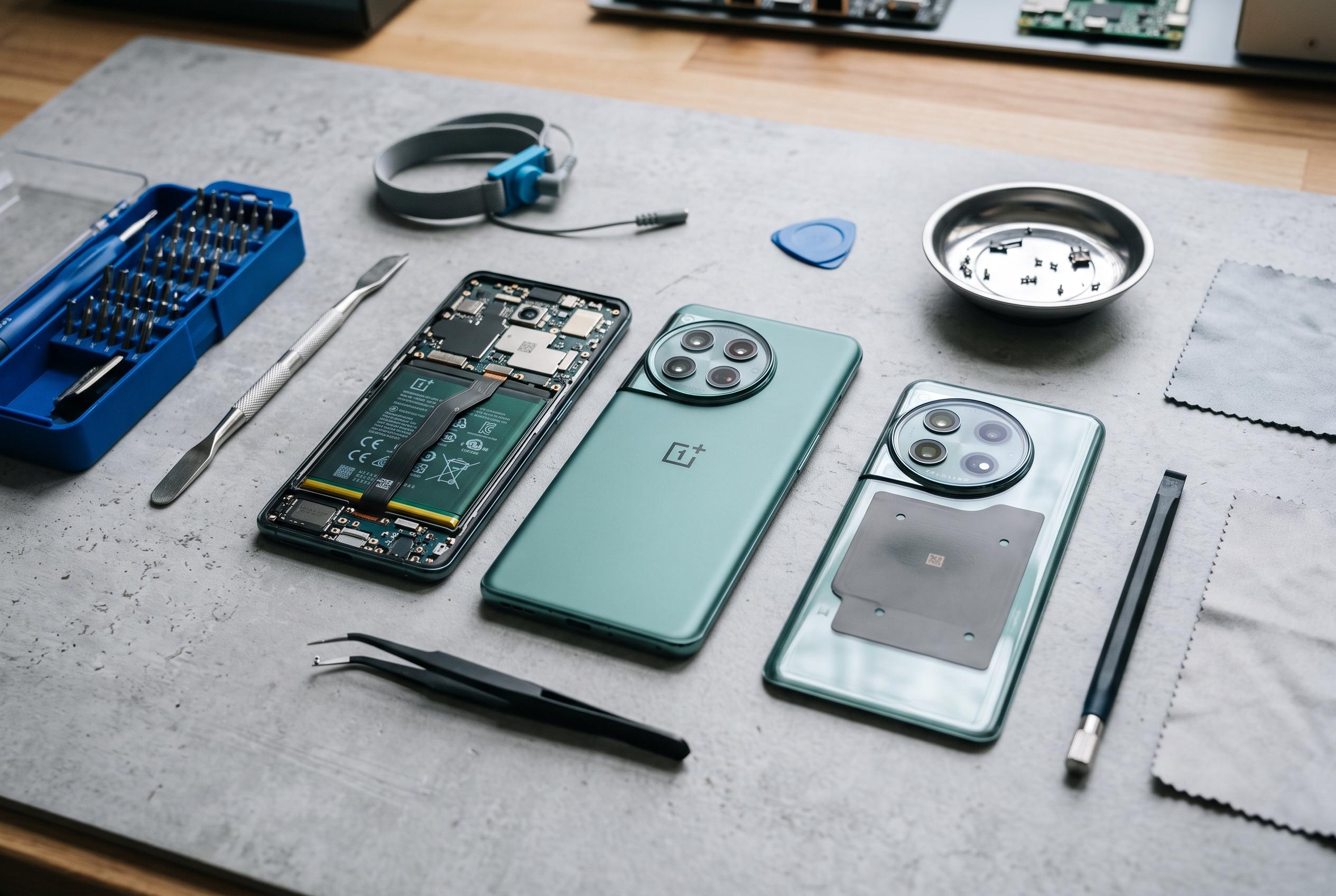

OnePlus’s decision to cease launching new phones in the US and Europe marks a major shift for Android users, raising questions over support, repairability, and the future of premium smartphones in these regions.
OnePlus’s retreat from the US and Europe marks the end of a distinct era for Android buyers. The company has confirmed that it will no longer launch new phones in those markets, describing the move as a global strategy shift and concentrating attention on regions such as India. For existing owners, the message is more measured: software updates, security patches, warranty cover and repair support are still promised.
That distinction matters. A OnePlus phone already in circulation does not become obsolete overnight. But the brand’s withdrawal from local retail channels changes the buying calculation for anyone considering a new handset in 2026. Repair logistics, spare parts, trade-in values, carrier support and resale demand all become less predictable when a manufacturer stops selling fresh models in a region.
There is also a software transition under way. OnePlus has said eligible devices will be given the option to move from OxygenOS to Oppo’s ColorOS 17, with rollback support expected in some cases. At the same time, OnePlus has reportedly committed to honouring the update promises already made for the OnePlus 13, including four major Android upgrades and extended security cover. That makes the phone usable for longer, but it does not remove the wider uncertainty around parts, service and regional support.
For most Android users, the clearest replacement is Google’s Pixel 11. It is already on sale, carries a similar starting price to the OnePlus 13 and offers seven years of software support, broad carrier compatibility and Google’s latest AI features. The hardware is less focused on raw benchmark results than on day-to-day use, especially camera processing, voice tools and call handling. That makes it the most straightforward swap for buyers who want to stay within Android without giving up long support.
Those who valued OnePlus for its large-screen, premium-feeling hardware may prefer Samsung’s next flagship family, though it is still some way off. Reports suggest the Galaxy S27 range will arrive in early 2027, with the Pro model likely to sit closest to the old OnePlus formula and the Ultra aimed at buyers who want the biggest display, the strongest camera system and an S Pen. Samsung’s advantage is not only hardware; its retail reach, carrier relationships, trade-in offers and repair network remain much stronger.
For buyers willing to leave Android, the iPhone 18 Pro is shaping up as another credible option. It is expected in September 2026 and is being positioned around stronger efficiency, improved camera hardware and the sort of long-term support Apple is known for. That does not solve the learning curve of moving from Android, but it does offer a simple ownership experience, high resale value and wide service access.
The best value, however, may now lie in refurbished devices rather than new ones. Refurbished flagship Samsung models, particularly the Galaxy S24 Ultra, continue to look compelling because they combine top-tier screens, cameras and performance with substantial discounts over launch price. Google’s older Pro models offer a similar case for buyers who want long support and strong photography without paying full flagship money. Buying at the right point in the release cycle can improve those savings further, with refurbished prices often easing after major launches.
There is one more reason the timing now matters: repairability. The EU’s Right to Repair rules, which took effect on July 31, 2026, require manufacturers to provide spare parts and repair information for smartphones, strengthening the case for devices with clear after-sales support. That does not fully offset the uncertainty around a shrinking regional brand footprint, but it does make repair-friendly, widely sold phones more attractive than ever.
For current OnePlus owners, the sensible advice is to keep using a working phone until the battery fades, support ends or repair costs become hard to justify. For new buyers, the brand’s departure makes the choice less about nostalgia and more about practical ownership. The phone may still be good. The ecosystem around it is what has changed.
Disclaimer: This content is intended for informational purposes only. Readers are advised to exercise their own judgement, conduct due diligence, or consult a qualified expert before acting on any information provided.