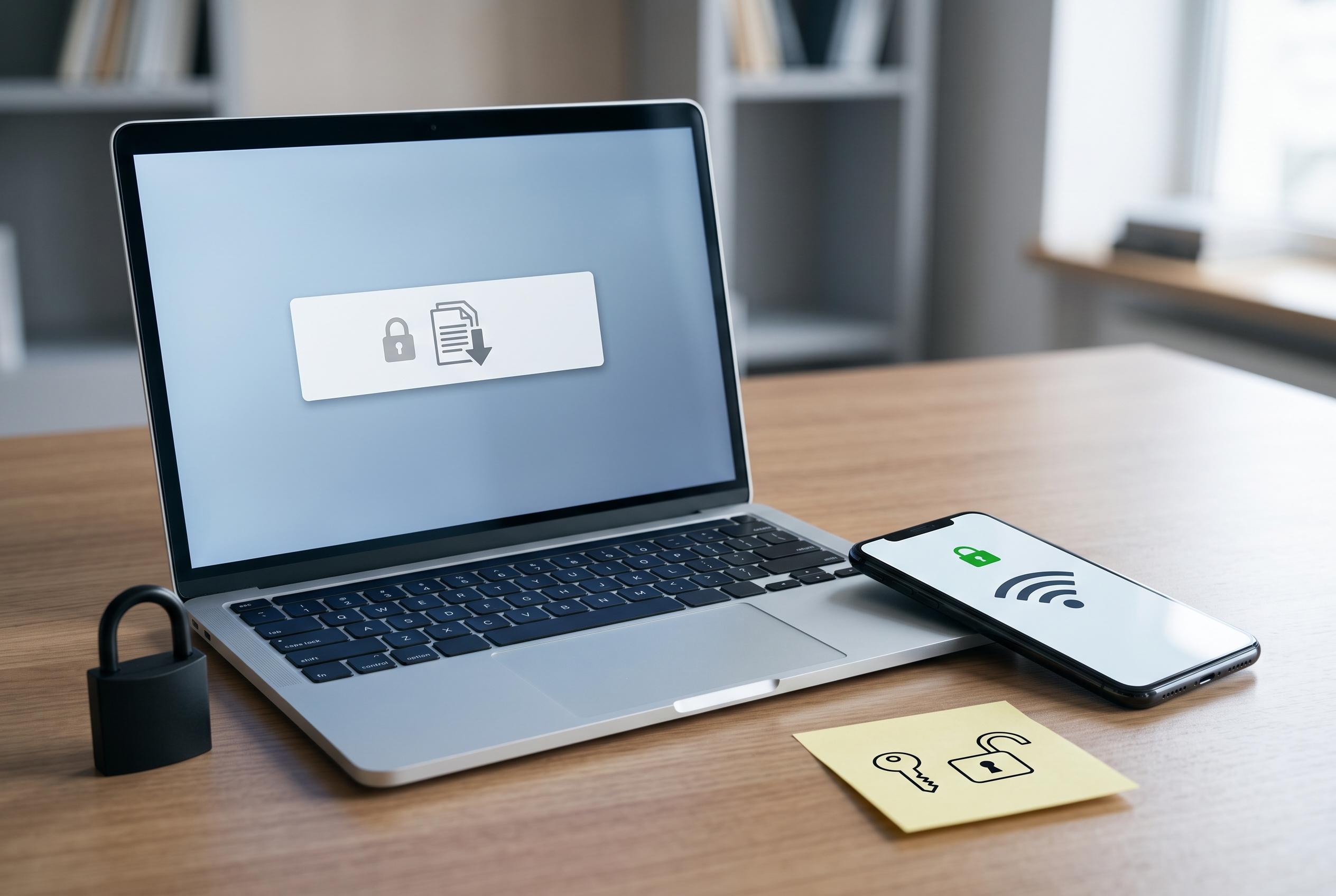

Despite common assumptions, everyday habits such as password reuse, delayed software updates and unsecured public Wi-Fi pose significant risks to personal device security, highlighting the need for consistent protective practices.
Most people still assume cybercriminals go after high-profile targets, but the larger risk often sits in ordinary devices used every day. Smartphones and laptops now hold banking apps, private photos, work email, social media accounts and personal files, which makes routine habits an important line of defence. The most common mistakes are simple, but their consequences can be serious.
One of the clearest risks is password reuse. Security specialists at Password Depot and similar guidance from GalaxyWarden and St. Petersburg College say that using the same login across multiple services can turn a single breach into wider account compromise through credential stuffing. The safer approach is to use distinct passwords for each important account and store them in a reputable password manager rather than relying on memory or repetition.
Software updates matter for the same reason. Microsoft says updates often contain security patches that close newly found weaknesses, while TechTarget and ExpressVPN both note that delays can leave systems exposed to malware, bugs and other attacks. Turning on automatic updates is one of the simplest ways to reduce risk without adding much effort.
Public Wi-Fi is another common weak point. Free networks in cafés, airports, hotels and shopping centres can make it easier for attackers to intercept traffic, particularly if users log in to sensitive services on an unsecured connection. The same caution applies to links in messages: fake bank alerts, delivery notices and prize claims are increasingly convincing, so sender details and requests should always be checked before anything is opened or entered.
Back-ups are often treated as optional until something goes wrong. Yet lost phones, failed laptops and accidental deletion can remove years of files in an instant. Cloud services and external drives both offer practical protection, and the habit is especially valuable because it reduces the impact of theft, hardware failure or ransomware. In the end, basic security is less about expertise than consistency: unique passwords, prompt updates, careful clicking, safer network use and regular back-ups can materially lower the chance of becoming an easy target.
Disclaimer: This content is intended for informational purposes only. Readers are advised to exercise their own judgement, conduct due diligence, or consult a qualified expert before acting on any information provided.