
Dust, lint and fibres inside smartphone charging ports are often mistaken for hardware failure. Simple cleaning techniques can fix most issues, but persistent looseness may require professional repair.
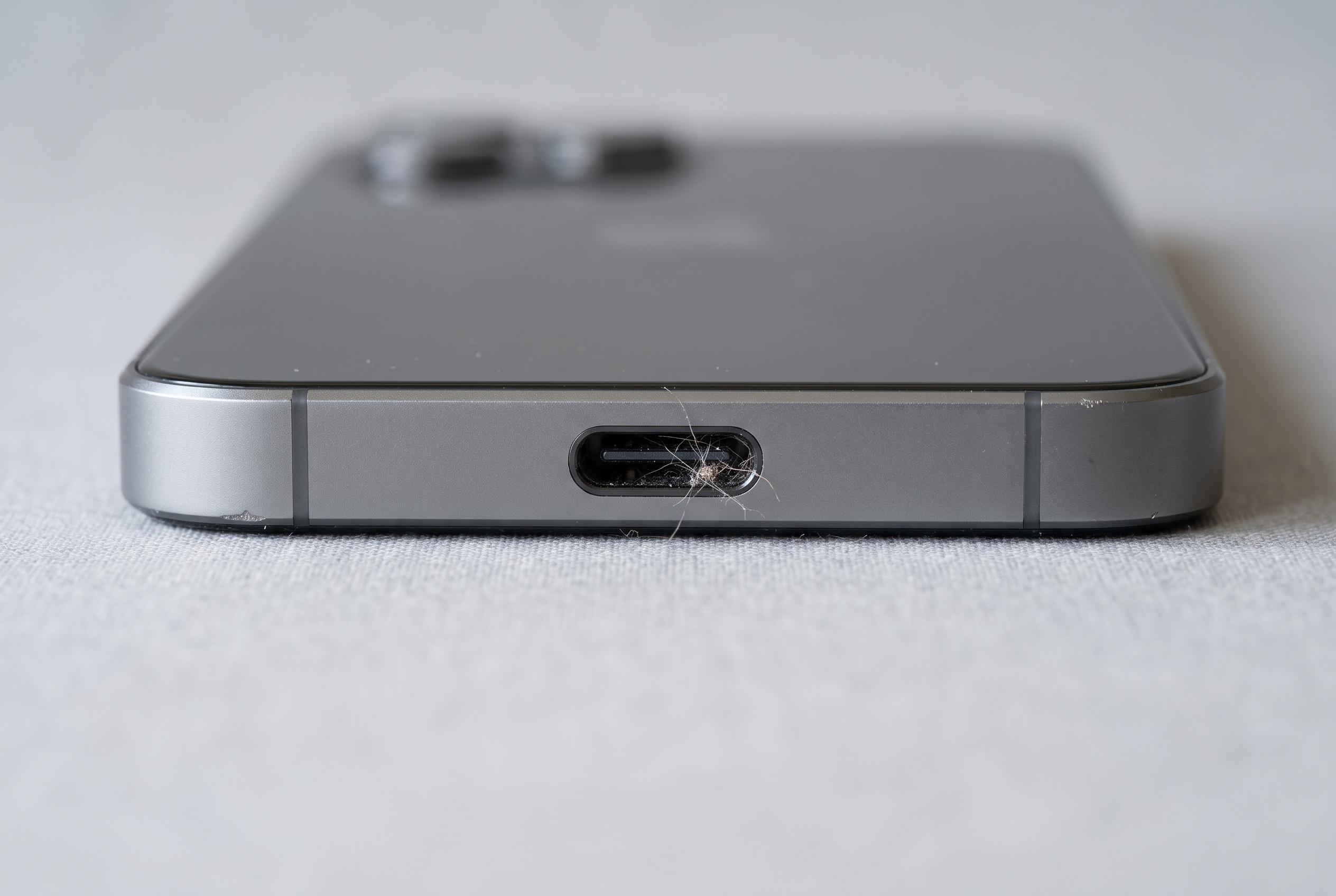
A loose charging cable is not always a sign that the phone port has failed. In many cases, the problem is far more ordinary: dust, lint and small fibres build up inside the socket until the connector can no longer seat properly. Even a thin layer of debris can stop the plug from making full contact.
The safest first step is to switch the device off and inspect the port with a torch. A visual check can reveal whether the housing is cracked, bent or missing parts, as well as whether the obstruction is simply compacted dirt. If the blockage is loose, compressed air can help dislodge it, while a soft brush or a fine cotton swab may be enough for more stubborn residue.
Specialist repair guides from TechRadar, Tom’s Guide and RepairRange all advise against using metal objects such as paper clips or SIM tools. Those can damage the contact pins or leave fragments behind. They instead recommend a wooden or plastic pick, used gently, to lift out packed lint from the bottom of the port. RepairRange says many apparent charging-port failures are actually caused by trapped fluff rather than true hardware faults.
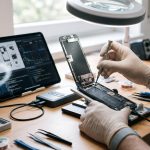
There is, however, a point where cleaning is no longer enough. If the port still feels physically loose after debris has been removed, or if the internal components wobble, the fault is likely mechanical. Cracked housings, bent contacts or a distorted connector may require professional soldering or replacement. In that situation, forcing the cable in at home risks making the damage worse.
Warning signs such as unusual heat, a burning smell or visible sparking should be treated as urgent. The same applies if the phone has been exposed to water or damp conditions. The practical lesson is simple: regular, careful cleaning can prevent most charging problems, but once the port itself is damaged, professional repair is the safer option.
Disclaimer: This content is intended for informational purposes only. Readers are advised to exercise their own judgement, conduct due diligence, or consult a qualified expert before acting on any information provided.