
Dell’s new Alienware 15 aims to broaden its appeal with a lower price point but faces criticism for compromises in build quality, display, and value, raising questions about its competitiveness in the gaming laptop market.
Dell’s Alienware 15 for 2026 is a clear attempt to broaden the brand’s appeal beyond the premium end of the market. According to Frandroid, the machine is meant to serve buyers looking for a more affordable gaming laptop, but it does so with compromises that leave it looking weak beside similarly priced rivals. The same conclusion is echoed by other early reviews: the model can deliver solid gaming performance, yet its overall package feels shaped by cost-cutting rather than balance.
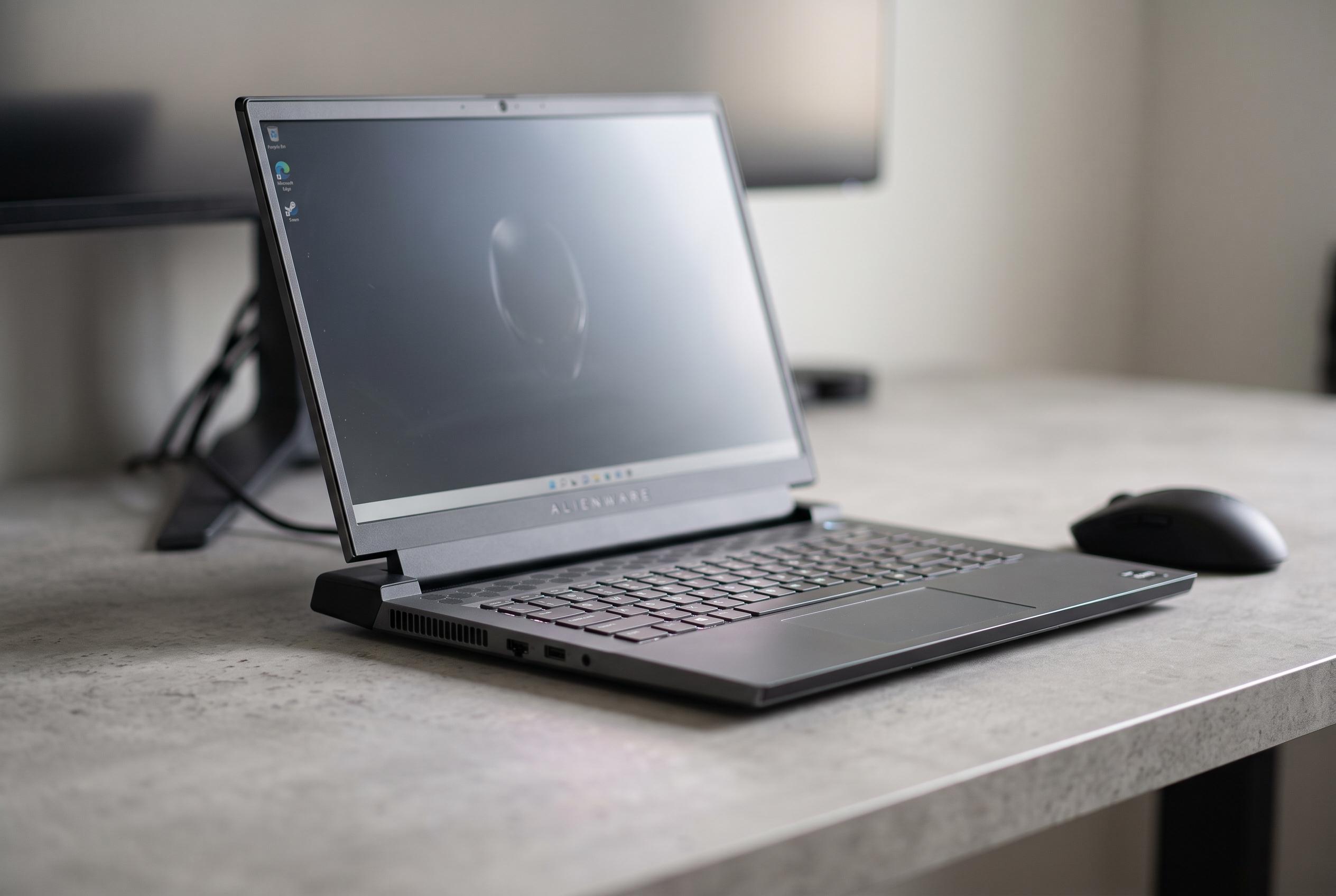
That trade-off is visible as soon as you look at the chassis. The laptop uses a largely plastic construction, which helps keep the price down, but the finish appears more convincing than the material choice might suggest. Alienware has also kept some of its familiar styling cues, including a raised rear section that helps ventilation, although the machine remains thick and heavy for a 15-inch portable. Tom’s Guide noted that the design still carries the Alienware identity, even if the shell is now more polycarbonate than metal, while Windows Central described it as practical rather than refined.
Input quality is a brighter point. Frandroid found the keyboard unusually good for a gaming laptop at this level, with well-judged key travel and tension across both the main deck and the numpad. The touchpad is less impressive, with a smaller surface and a plastic feel that betrays the price positioning, even if click action remains decent. Connectivity is broad enough for a mainstream gaming machine, with HDMI, USB-A, USB-C, Ethernet and audio on board, though Frandroid criticised the placement of several ports and the lack of Wi-Fi 6E support.
The display is where the budget approach becomes hardest to ignore. Alienware has fitted a 15.3-inch 1,920 x 1,200 IPS panel with a 165Hz refresh rate, but colour coverage and brightness trail better machines. Frandroid measured only modest sRGB and DCI-P3 coverage, along with peak brightness below 300 nits, and judged it the weakest part of the laptop. TechRadar and Tom’s Guide reached a similar verdict, saying the screen is usable for gaming but unsuited to creative work or anyone expecting a brighter, more vivid panel.
Inside, the machine is built around AMD’s Ryzen 7 260 in Frandroid’s test configuration, paired with 16GB of DDR5 memory, a 512GB PCIe Gen 4 SSD and Nvidia’s GeForce RTX 5050. That combination is enough for mainstream 1080p or 1200p gaming, especially when DLSS 4 is used, but it is not a standout performer for demanding ray tracing or creator workloads. Frandroid recorded decent gaming results, yet also noted that storage write speeds were disappointing and battery life sat at around three to four hours in office use. At €1,469 in the tested configuration, the problem is not capability so much as value: Frandroid argues that near-identical money can buy faster hardware and a better screen elsewhere, which makes the Alienware 15 hard to recommend as a genuinely competitive bargain.
Disclaimer: This content is intended for informational purposes only. Readers are advised to exercise their own judgement, conduct due diligence, or consult a qualified expert before acting on any information provided.