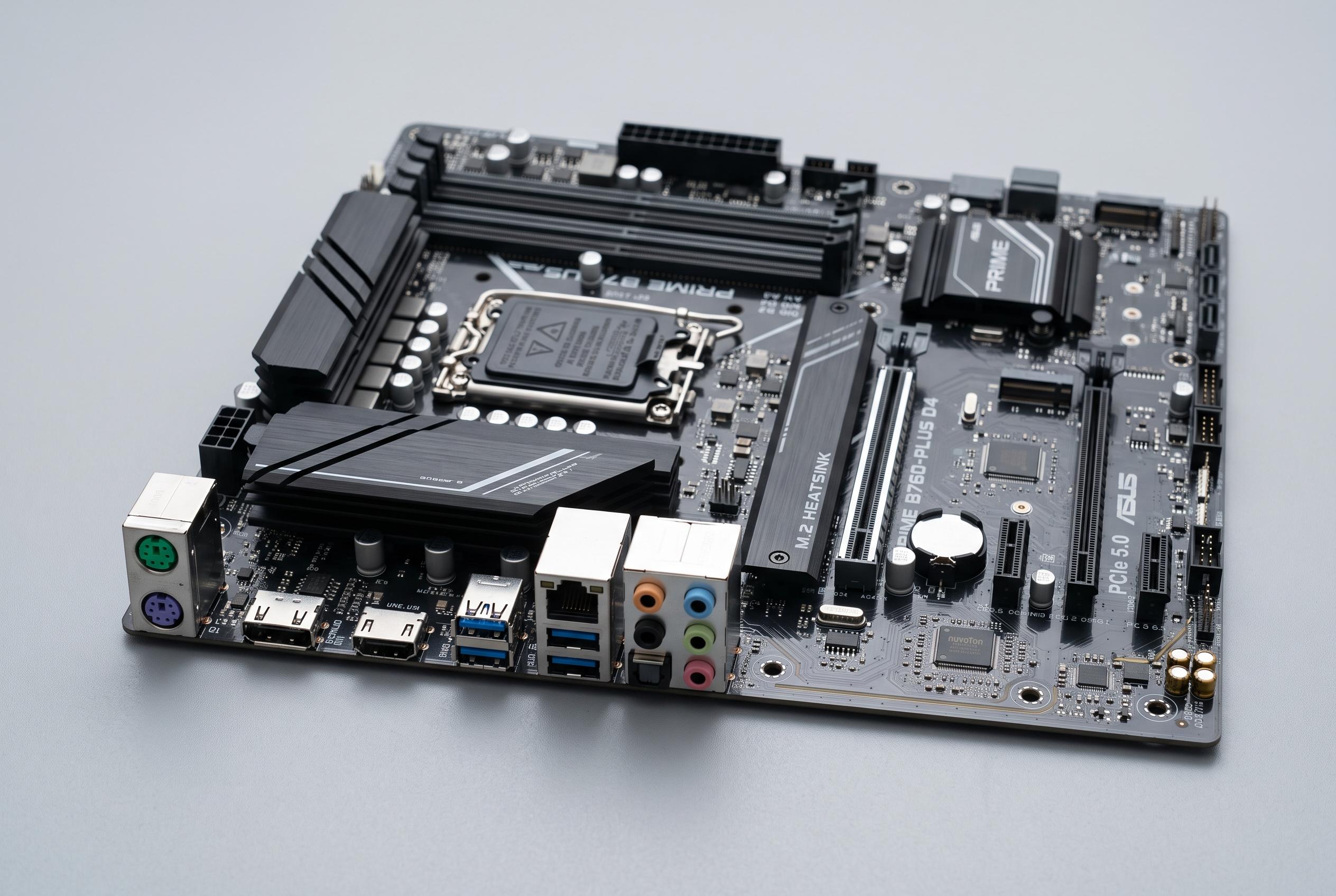

Despite USB’s dominance, the PS/2 connector remains in use on some motherboards for its resilience, security, and specialised applications, serving as a vital fallback in critical situations.
The old PS/2 connector still appears on some modern motherboards for reasons that are more practical than nostalgic. Once a standard way to attach keyboards and mice, it has long since been overtaken by USB and Bluetooth, yet it remains in use because it can provide a direct, simple link to input devices when other interfaces are unavailable. According to XDA, the point is not convenience but resilience.
That resilience is the main argument for keeping PS/2 alive. Because it works without the same software layer as USB, it can remain available in situations where drivers have failed or the USB subsystem has stopped responding. References from Wikipedia and other technical explainers note that this makes the port useful as a fallback for basic input access, including when entering firmware settings or recovering a machine that has lost normal peripheral support.
Security is another reason it has not disappeared entirely. In some restricted environments, USB connections are prohibited, so PS/2 offers a simpler alternative for keyboards and mice. Technical sources also say the port is still used with specialist hardware, including equipment aimed at overclocking and troubleshooting, where direct hardware behaviour matters more than modern convenience. Some systems even combine keyboard and mouse support through a single PS/2 socket, often using a splitter on older business notebooks and docking stations.
Even so, PS/2 is now firmly a legacy interface. Most new devices are designed around USB, and many modern motherboards omit the connector altogether. Where it does survive, it does so as a low-cost safety net: an older standard that still earns its place when reliability, compatibility or security matters more than speed or ease of use.
Disclaimer: This content is intended for informational purposes only. Readers are advised to exercise their own judgement, conduct due diligence, or consult a qualified expert before acting on any information provided.