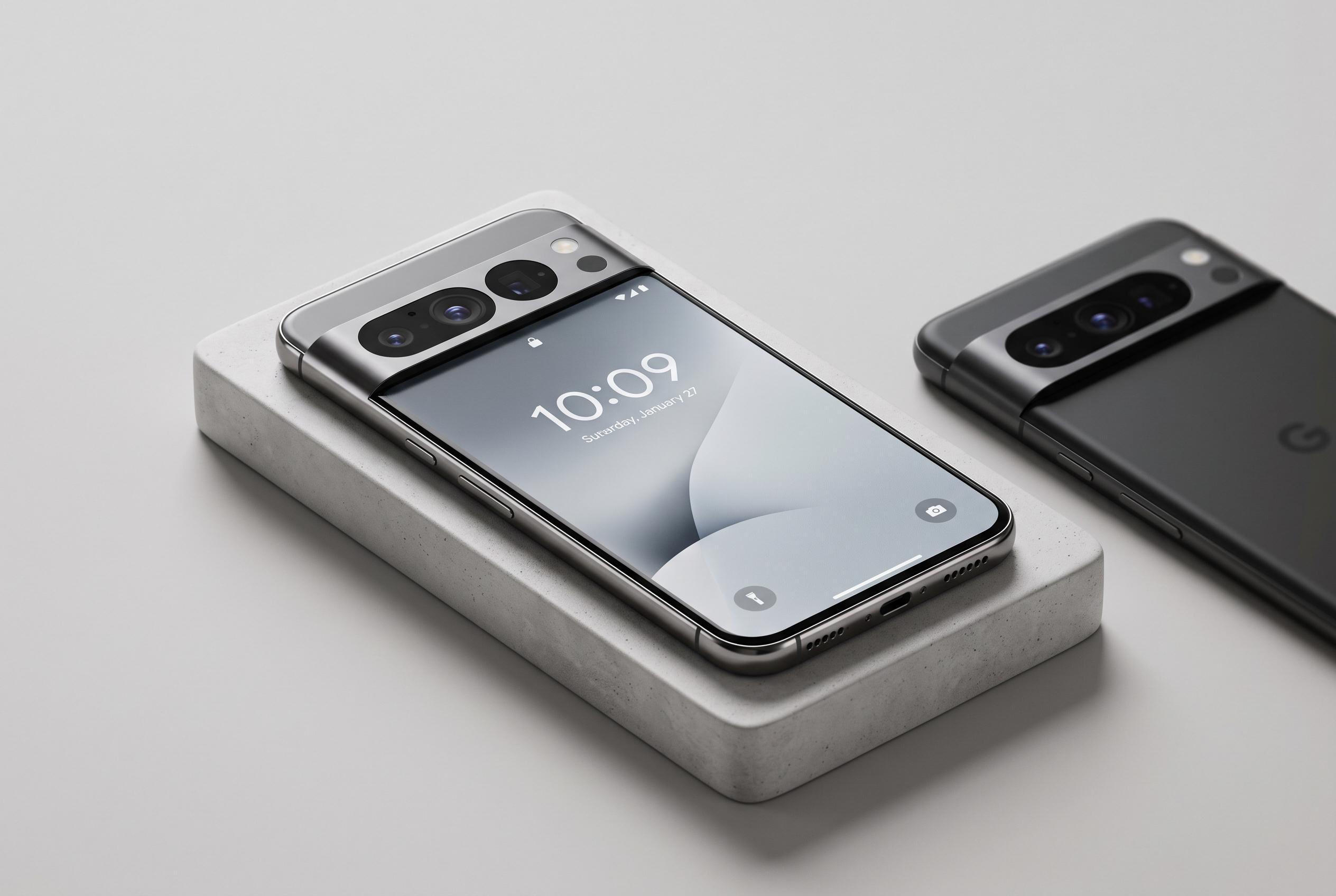

Google’s Pixel 11 Pro arrives with a polished design but falls short of delivering a compelling reason for Pixel 10 Pro users to upgrade, as reviews highlight it as more evolutionary than revolutionary, with certain trade-offs and marginal improvements making the case for patience stronger.
Google’s Pixel 11 Pro arrives with enough polish to look like a meaningful refresh, but for Pixel 10 Pro owners the case for upgrading is still weak. Android Authority argues that Google has refined the hardware without changing the basic ownership experience enough to justify an immediate switch, and the wider comparison suggests the same conclusion: this is an iterative update rather than a generational leap.
One of the clearest trade-offs is in memory and storage. The entry-level Pixel 11 Pro moves to 256GB of storage, but its base specification drops to 12GB of RAM, down from 16GB on the Pixel 10 Pro. That may matter less to casual users, but it is a real step back for heavy multitasking and memory-hungry AI features. Android Central also notes that the new model starts at a higher price, making the value calculation harder to defend.
Battery and charging tell a more mixed story. According to Android Central, the Pixel 11 Pro’s battery is slightly smaller than the Pixel 10 Pro’s, but Google is claiming better efficiency from the Tensor G6 chip and faster charging behaviour. The new phones also support Qi2 25W wireless charging, up from 15W on the Pixel 10 range, while the Pixel 11 Pro can reach roughly 55% charge in 30 minutes with a 30W PPS charger. The Pixel 11 Pro XL charges faster still, but that does not change the case for owners of last year’s model.
The software situation also favours patience. Google’s seven-year update policy means the Pixel 10 Pro still has years of support left, with Android Authority pointing out that it should remain covered well into the early 2030s. That matters because several of the Pixel 11 Pro’s headline features may never feel essential in daily use, and some could eventually filter down to older devices anyway.
Google’s new rear light system, called HiLight, is one of the more visible changes, but it is also one of the easiest to live without. The feature adds a ring of LEDs around the camera bar for notifications and Gemini interactions, and it may gain more uses later. Yet the Pixel 11 Pro loses the temperature sensor found on the Pixel 10 Pro, which Google had positioned as a practical health and household tool. For some buyers, that is a poor trade.
The biggest argument for waiting, however, may be the simplest one. The Pixel 11 Pro is new, but it will not stay new for long, and the Pixel 10 Pro remains a strong camera phone with ample support ahead. Google’s latest flagship also comes with a shorter bundled AI Pro subscription than its predecessor, according to T3, which undercuts some of the value of the launch offer. Unless the camera changes, faster wireless charging or HiLight are must-have features, Pixel 10 Pro owners are better served by holding on a little longer.
Disclaimer: This content is intended for informational purposes only. Readers are advised to exercise their own judgement, conduct due diligence, or consult a qualified expert before acting on any information provided.