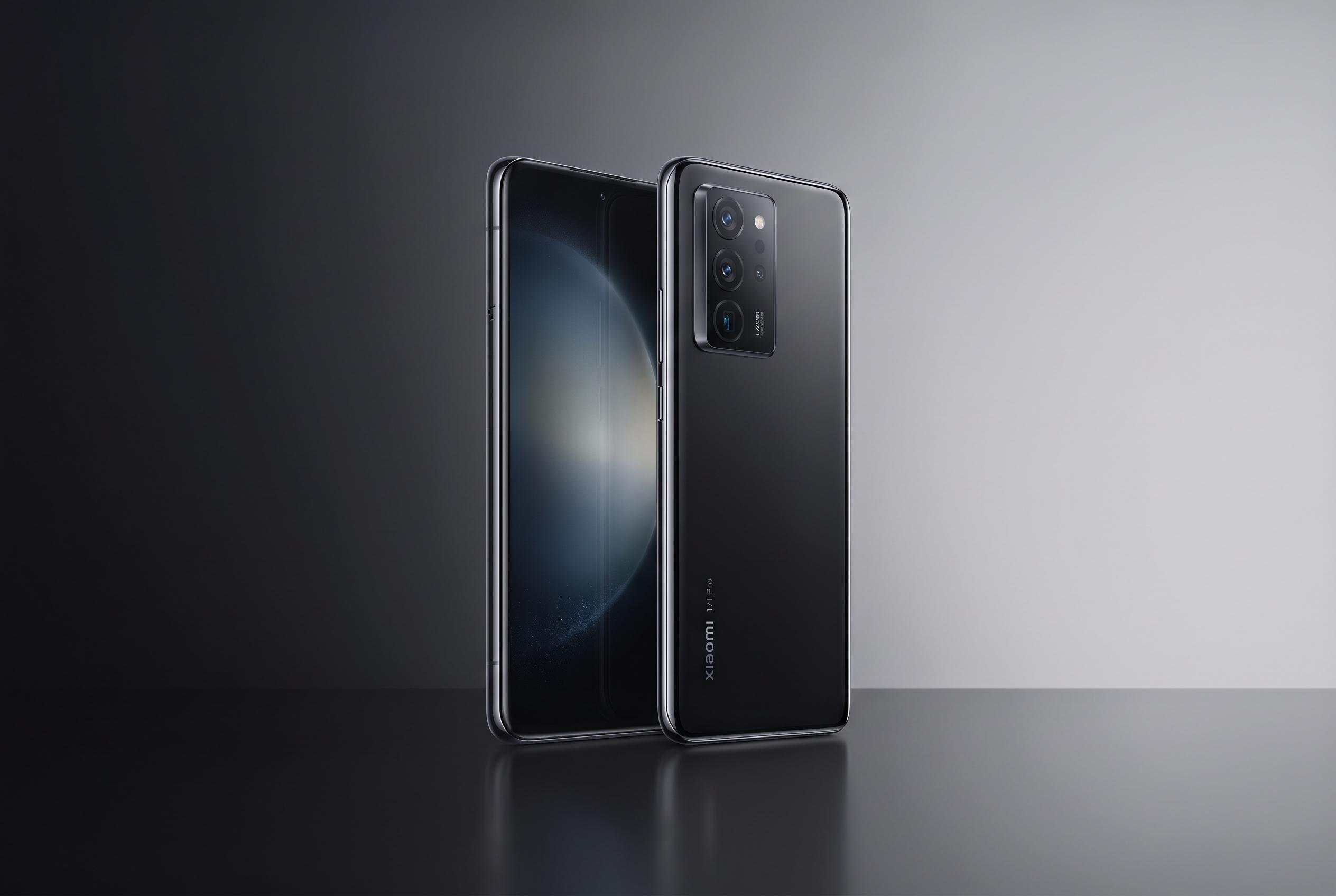

The Xiaomi 17T Pro launches at €999, offering notable improvements in display, battery, and camera technology over its predecessor, raising questions of value versus performance.
Xiaomi’s latest T-series handset arrives with a sharper price tag, and that changes the equation. Frandroid says the Xiaomi 17T Pro launches at €999, compared with €899 for the Xiaomi 15T Pro, which makes the newer model harder to recommend on value alone. Yet the same comparison concludes that the 17T Pro is still the stronger phone overall, thanks to measured gains in display quality, battery life, photography and raw performance.
At a glance, the two phones are closely related. Both use a 6.83-inch AMOLED panel with a 2,772 x 1,280 resolution, both carry an IP68 rating, and both keep a largely familiar glass-and-aluminium design. The changes are subtle rather than radical: the 17T Pro is slightly thicker and heavier, while the camera housing remains in the same position. Other comparison sites also describe the redesign as restrained, with the main focus shifted away from appearance and towards internals.
The display is one of the clearer upgrades. Frandroid measured higher HDR brightness on the 17T Pro than on the 15T Pro, while noting that neither handset uses LTPO technology for variable refresh control. Colour handling also improves on the newer model, which better covers the DCI-P3 gamut and delivers a more convincing overall image. That matters in daily use, especially outdoors, where extra brightness makes the screen easier to read.
Inside, Xiaomi has moved from MediaTek’s Dimensity 9400+ in the 15T Pro to the newer Dimensity 9500 in the 17T Pro. Frandroid found the newer chip faster, but also more thermally demanding, with performance dropping under sustained load. Even so, the newer phone remains the stronger choice for heavy users. Android Central’s review of the 15T Pro and Digital Camera World’s coverage of the 17T Pro both point to Xiaomi’s emphasis on flagship-style hardware, albeit with familiar software compromises, including a bulky HyperOS layer and a long list of built-in extras.
Battery life is where the 17T Pro opens the largest gap. Frandroid reported a 7,000mAh cell in the newer model, up from 5,500mAh in the 15T Pro, and said endurance rises to 21 hours and 41 minutes in its standard test, versus 16 hours and 24 minutes for the earlier phone. Charging remains fast on both, with the 17T Pro taking roughly 45 minutes to refill by cable. On cameras, both phones keep a Leica-tuned triple setup, but the 17T Pro adds a more capable 50-megapixel 5x telephoto system that improves detail and zoom stability. That makes the newer handset the more versatile camera phone, even if the older model still produces strong results. In practical terms, the 17T Pro is the better device; the remaining question is whether the extra €100 is justified for users who do not need the bigger battery and improved long-range photography.
Disclaimer: This content is intended for informational purposes only. Readers are advised to exercise their own judgement, conduct due diligence, or consult a qualified expert before acting on any information provided.