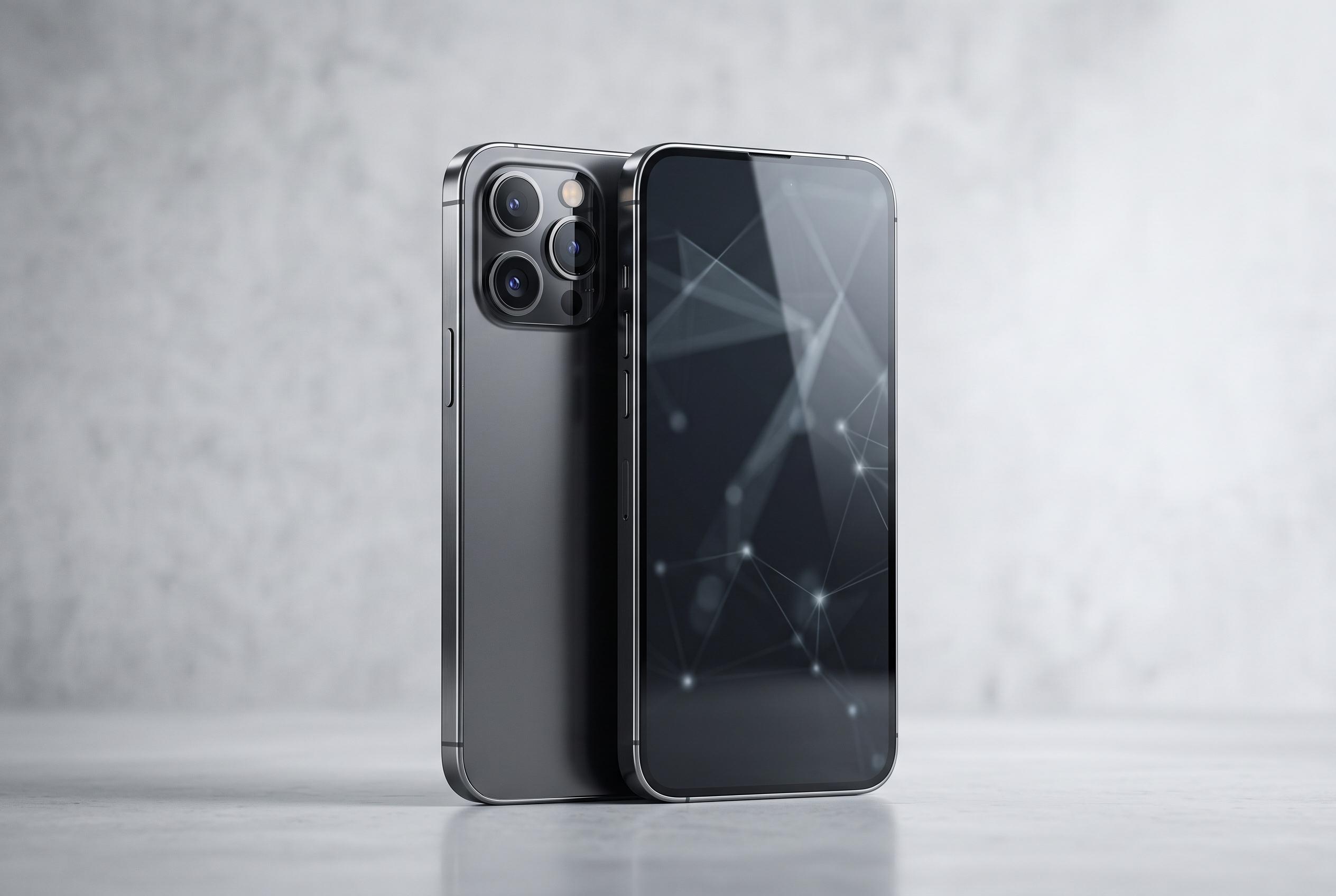

Google launches its Pixel 11 range, emphasising tighter integration of hardware, software and AI, but faces scrutiny over rising prices and reduced memory on Pro models amidst a broader push for AI-led features.
Google’s Pixel 11 launch has arrived with a familiar promise from the company: tighter integration between hardware, software and AI. But this year’s event was also marked by a sharper commercial edge, with the new range carrying higher prices than last year’s models while some Pro versions come with less memory. The line-up comprises the Pixel 11, Pixel 11 Pro, Pixel 11 Pro XL and Pixel 11 Pro Fold, all powered by Google’s Tensor G6 chip.
According to Android Central and What Hi-Fi?, the new processor is built on TSMC’s 3nm process rather than the 2nm design that had been rumoured beforehand. Google says Tensor G6 improves performance, efficiency and on-device AI work, with a faster TPU for machine-learning tasks. The phones run Android 17 with Gemini Intelligence at the centre of the experience, including live translation, improved voice-to-text and a more capable Circle to Search.
The most obvious changes are on the cameras and displays. Digital Camera World reported that the standard Pixel 11 now uses a new 48MP main sensor with greater light sensitivity, while the Pro models move to a 50MP main sensor and a 48MP telephoto unit with up to 120x zoom. What Hi-Fi? said the screens can reach 3,600 nits of peak brightness on the Pro and Fold models, and the standard phone gets a 6.3-inch Actua OLED panel. Google has also added features such as Magic Capture and Camera Looks, both aimed at making photography more flexible without losing consistency in skin tone rendering.
Battery claims and charging speeds are also stronger this year. Android Central said Google is promising more than 30 hours of battery life, with faster charging across the range. The standard Pixel 11 starts at $899, while the Pixel 11 Pro Fold reaches $1,899, according to Digital Camera World. That pricing puts extra pressure on Google to prove that Gemini Intelligence and the Tensor G6 can justify the premium, particularly when the Pro models no longer offer the same memory capacity as before.
Beyond the phones, Google used the event to extend its AI and ecosystem pitch. The Pixel Watch 5 gains offline Gemini support, which should help in situations where a phone connection is unavailable, while the new Pixel Tag brings Ultra Wideband tracking and Find My Device integration to Android users. Quick Share has also been improved, with faster and more dependable transfers between devices. Taken together, the announcements suggest Google is pushing Pixel further towards an AI-led platform rather than a conventional hardware refresh.
Disclaimer: This content is intended for informational purposes only. Readers are advised to exercise their own judgement, conduct due diligence, or consult a qualified expert before acting on any information provided.