
Google’s Fitbit Air offers a screenless, lightweight fitness band that integrates comprehensive health data and AI coaching, appealing to users seeking unobtrusive health monitoring beyond smartwatches.
Google’s Fitbit Air is a screenless fitness band aimed at people who want health tracking without the friction of a smartwatch. In a recent hands-on review for El Español, the device was tested for more than a month during CrossFit sessions, with the writer arguing that its real appeal lies less in the hardware itself than in the broader health platform built around it.
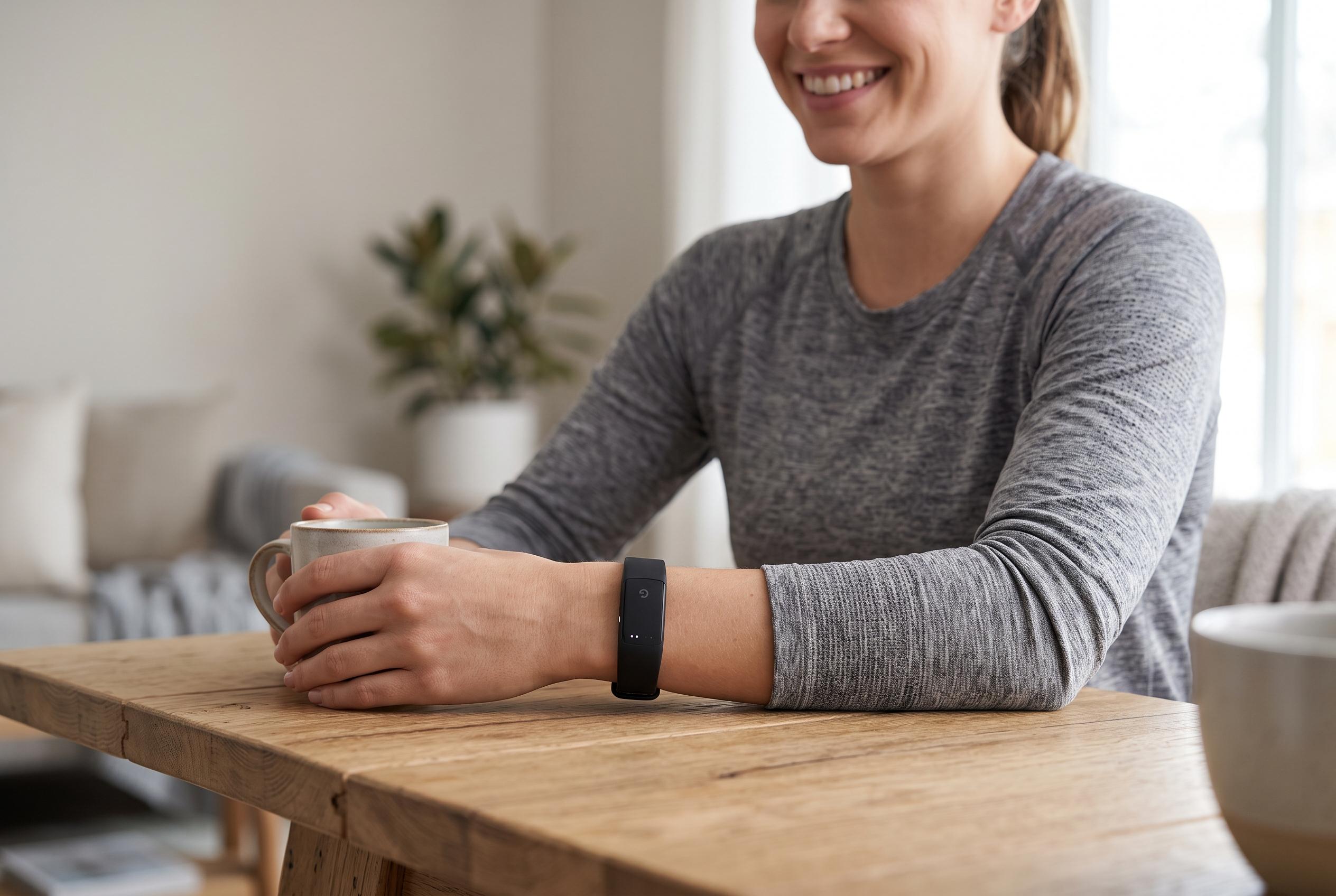
The design is deliberately understated. At about 12 grams for the full band and sensor unit, it is far lighter than bulkier rivals such as the Whoop 5.0, which TechRadar and Tom’s Guide both describe as a key part of its appeal. The absence of a display is central to the product’s identity: there are no notifications to check, no apps to open and no on-wrist distractions, which makes it easier to wear while sleeping or training. Android Central notes that setup and day-to-day use run through the Google Health app, now the hub for the device.
The sensor package is comprehensive for a band at this price. It includes optical heart-rate monitoring, accelerometer-based motion tracking, SpO2 sensing, skin-temperature measurement and vibration alerts, with water resistance to 50 metres. Reviewers also point out that automatic activity detection works in the background, although more specific workouts may still need to be started from the phone. The device does not include GPS, which keeps it simple but limits some sports use cases.
Where Fitbit Air tries to differentiate itself is in software. Google Health presents sleep, recovery, heart rate, respiratory rate, HRV, training load, hydration, weight and mood data in a more actionable format than a standard fitness dashboard. The headline feature is the AI-driven Health Coach, which TechRadar describes as divisive but potentially useful, while El Español says it can turn raw numbers into practical guidance on when to push harder, when to back off and how to adjust training after poor sleep or a heavy week.
That approach comes with a cost caveat. The band itself is priced at $99.99, but the more advanced coaching functions sit behind a Premium subscription. Even so, Tom’s Guide calls the Fitbit Air a strong value proposition for users who want a comfortable, minimal tracker with solid accuracy, long battery life and an app that makes health data easier to act on. It is less suitable for anyone who needs notifications, payments or live metrics on the wrist, but for people who want a quieter alternative to a smartwatch, its case is clear.
Disclaimer: This content is intended for informational purposes only. Readers are advised to exercise their own judgement, conduct due diligence, or consult a qualified expert before acting on any information provided.