
While often described as low-maintenance, solar panels require regular checks to ensure optimal output and safety. Experts recommend visual inspections, monitoring data, and professional assessments to extend system lifespan and prevent faults, especially after severe weather.
Solar panels are often described as low-maintenance, but low-maintenance is not the same as no maintenance. According to Sol Up’s homeowner guide, regular checks help preserve output, reduce the risk of avoidable faults and extend the life of the wider system, including modules, inverters, racking and battery storage where fitted.
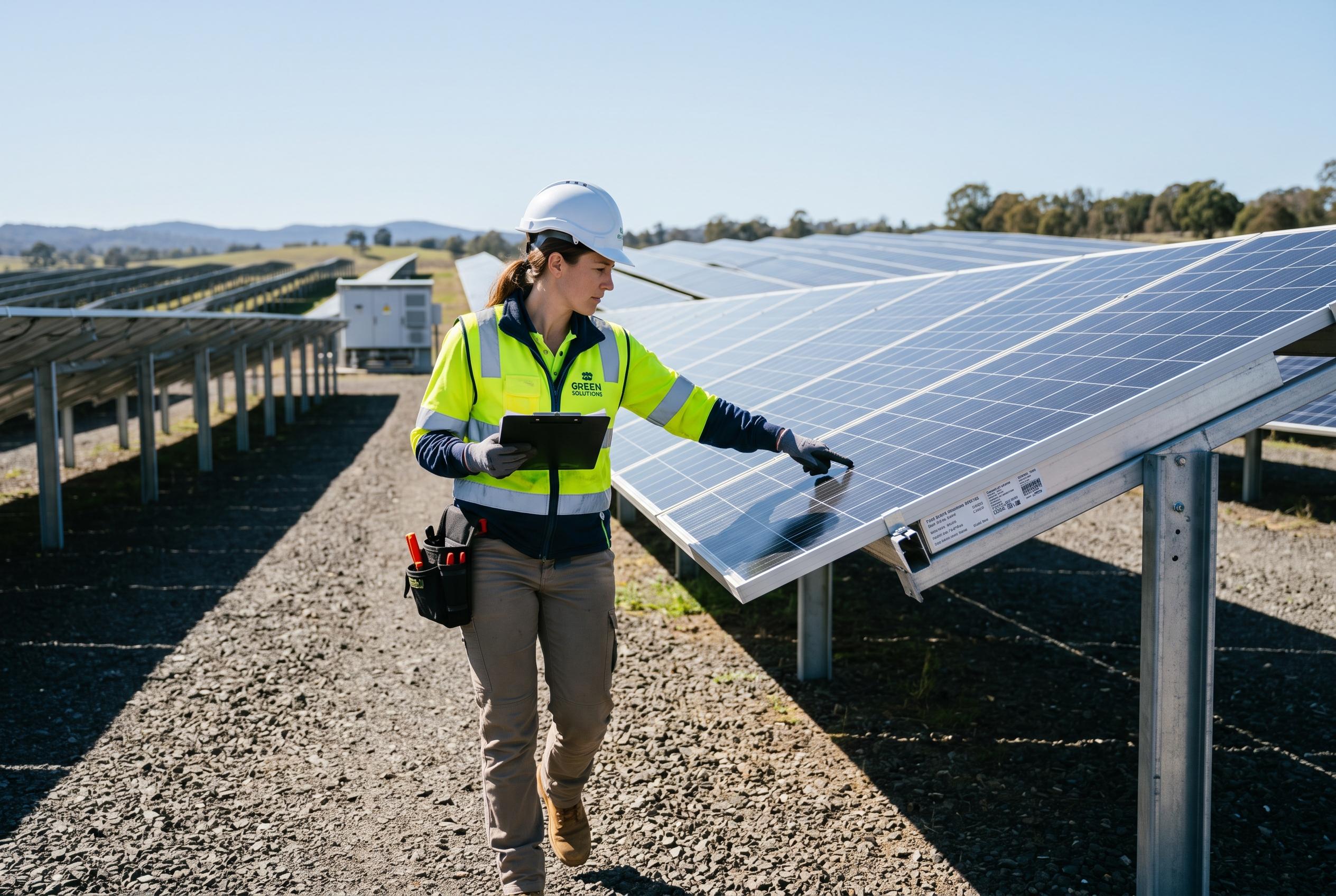
For most households, the practical work is limited. A visual inspection can reveal cracked panels, loose cabling, corrosion or signs of animal activity beneath the array. The company also advises keeping panels free of dust, pollen, leaves and bird droppings, using only gentle cleaning methods such as a soft brush or low-pressure water. In dry or dusty climates, that matters more than in areas where rainfall does most of the work.
Monitoring is equally important. Homeowners should review their inverter display or app data for sudden production drops, repeated fault messages or battery alerts. Industry guides from The Grid Architect, Sunwise USA and Accelerate Solar all make the same point: panels have no moving parts, so problems are often first visible in performance data rather than through obvious physical failure. Comparing output against similar weather days is more useful than fixating on short-term fluctuations.
Most routine checks can be done monthly, but a more thorough inspection should be left to a trained professional at least once a year. SurgePV recommends annual wiring reviews, fastening checks and inverter health assessments, while Solar Permit Solutions suggests more frequent visual inspections for households seeking to maximise long-term performance. After severe weather, a closer look is sensible because loose fittings, damaged modules and shifted racking can be missed from ground level.
There are clear limits to what a homeowner should attempt. Sol Up says professional help is needed if there are persistent losses in generation, unexplained error codes, smoke, burning smells or any sign of electrical arcing. Technicians can carry out electrical testing, firmware updates, battery health checks and component-level diagnostics that are not safe for most owners. That distinction is important: good maintenance is not about frequent intervention, but about knowing when to stop, observe and call in expertise.
Disclaimer: This content is intended for informational purposes only. Readers are advised to exercise their own judgement, conduct due diligence, or consult a qualified expert before acting on any information provided.