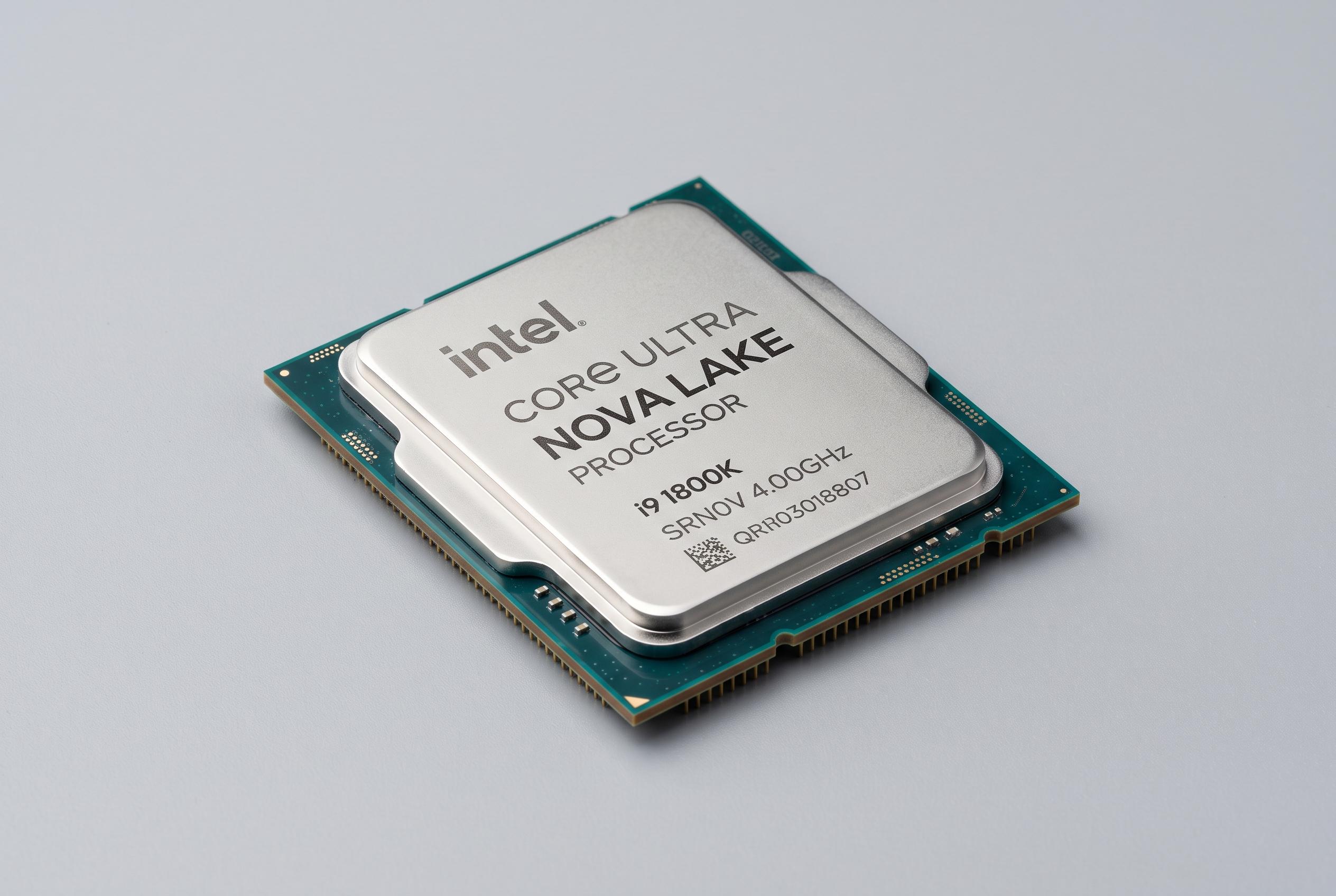

Intel signals that its upcoming Nova Lake processors will debut in desktop PCs before moving to servers, marking a pivotal move in a market increasingly divided between enthusiast and mainstream segments amid industry reshuffle.
Intel is signalling that Nova Lake will arrive first in desktop PCs, with servers to follow later, a sequencing that puts the company back in step with the enthusiast market at a time when much of the industry is chasing data-centre demand. Robert Hallock, Intel’s vice-president and general manager for enthusiast channel sales, said in an interview that the next generation would reach desktop systems first, a notable contrast with AMD’s reported plan to lead with Zen 6 in EPYC Venice before bringing that architecture to consumer parts. According to MuyComputer, Hallock framed the launch as a major strategic move for Intel’s PC roadmap.
That message matters because the market has become increasingly split between premium systems and the mainstream segment. Tom’s Hardware reported that Hallock described the PC business as “a tale of two kingdoms”, with high-end buyers still spending heavily while more affordable systems face pressure from cost inflation and supply constraints. He also suggested that the industry may move towards clearer separation between mainstream and enthusiast sockets, which would allow chip makers to tune platforms more tightly for different price bands and feature sets.
Hallock’s comments were also intended to reassure enthusiasts that Intel has not stepped back from desktop gaming. He said Intel has products planned through 2030 and is speeding up its cadence for gaming and desktop launches. That is an important point for the company, which has lost ground with enthusiasts in recent years as Arrow Lake often trails older Raptor Lake chips in games, while AMD’s X3D processors have dominated the performance conversation.
The broader backdrop is a CPU roadmap reshaped by AI infrastructure demand. Tom’s Hardware reported that AMD’s Zen 6 desktop parts may now slip into 2027, with a limited late-2026 window still possible for some launches, while Intel’s Nova Lake is also rumoured for CES 2027 after earlier expectations of a late-2026 debut. AMD has already laid out a longer server-first roadmap extending through Zen 7 and Zen 8, including multiple EPYC families, which underlines how both companies are adjusting release timing around datacentre priorities. Intel’s challenge is to prove that Nova Lake can restore momentum in the desktop market without leaving the server race behind.
Disclaimer: This content is intended for informational purposes only. Readers are advised to exercise their own judgement, conduct due diligence, or consult a qualified expert before acting on any information provided.