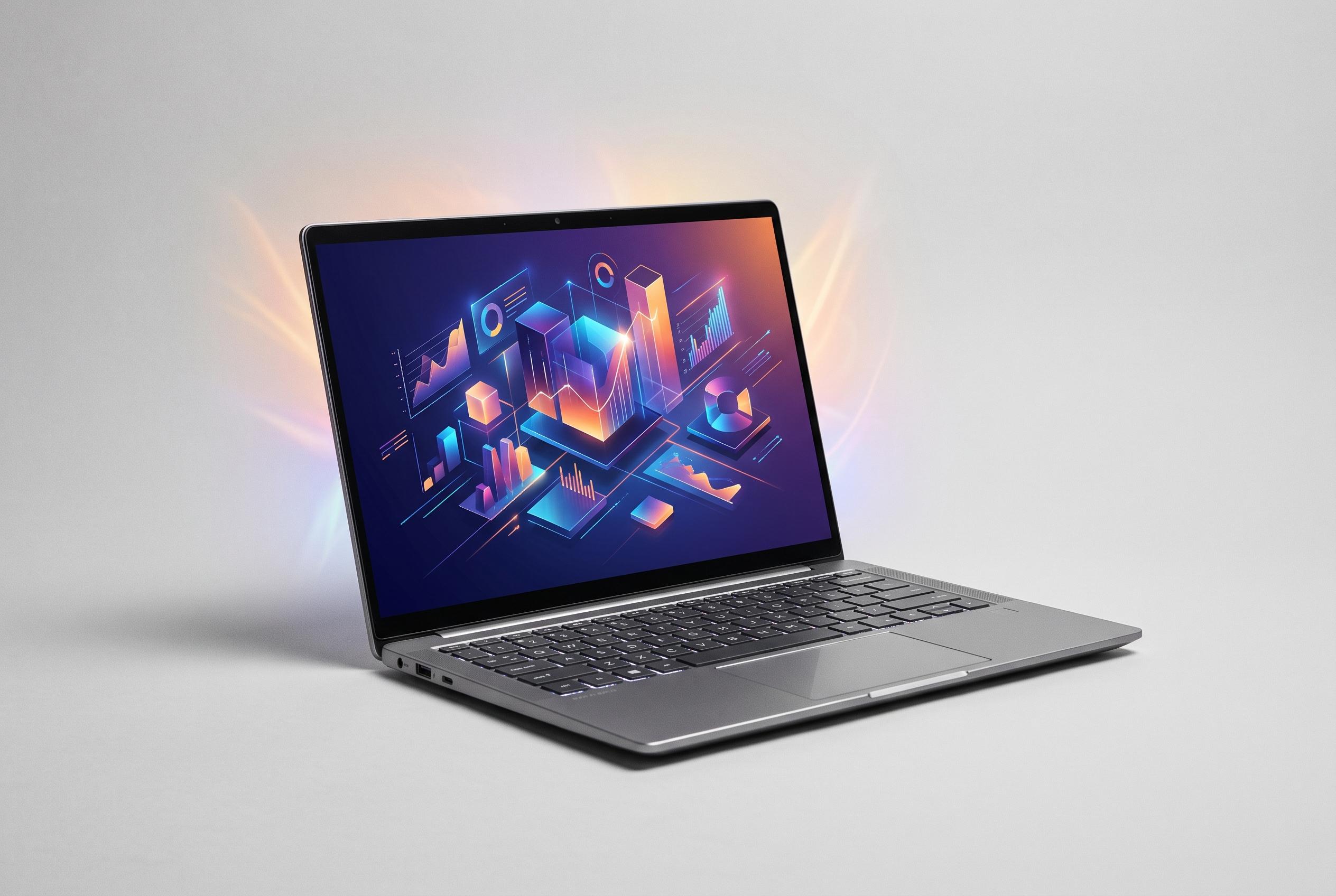

HP’s Omnibook X stands out as a top-tier Windows ultraportable with impressive multitasking, display, and graphics capabilities, though its high-end configurations come with a significant cost increase.
HP’s Omnibook X has emerged as one of the more capable Windows ultraportables of the year, but the appeal depends heavily on configuration. In Engadget’s testing, the laptop handled heavy multitasking, large photo projects and 4K video work without slowing down, while also delivering strong benchmark results. That level of performance, however, comes with a steep step-up in price once Intel’s X9 chip, 32GB of memory and the 3K OLED panel are selected. According to the review, the fully loaded machine moves well beyond the price of a typical thin-and-light notebook.
The performance story is not just about raw speed. Engadget said the Omnibook X outpaced every other PC it tested in PCMark 10, and only the higher-end Omnibook Ultra clearly beat it in Geekbench 6. Gaming is not its main purpose, but the integrated Intel Arc B390 graphics proved unusually strong for an ultraportable, reaching 81fps in Cyberpunk 2077 at 1080p with high settings and frame generation enabled. Other reviewers of the Snapdragon-based Omnibook X have also found the line well suited to productivity, though not class-leading in every metric. PCWorld and Digital Trends both pointed to solid everyday performance, while noting that competing models can offer better value or more balanced results.
The display is another major differentiator. Engadget said the 3K OLED panel produces excellent contrast, strong HDR highlights and very accurate colour, making it the best option for anyone prioritising image quality. Other reviews of the Snapdragon model were more cautious, however, with Laptop Mag and PCWorld both criticising brightness on their tested units despite praising colour and sharpness. HP’s own product information shows that the range is aimed at users who want a portable machine with all-day battery life and Copilot+ features, but the screen choice remains a meaningful cost decision.
Outside the panel, the machine appears carefully judged. Engadget praised the keyboard for its travel and comfort, and said the haptic touchpad felt more refined than the mechanical pads found on some rivals. The 5-megapixel webcam was also singled out as unusually sharp for video calls. Audio was more ordinary, with dual downward-firing speakers judged adequate rather than exceptional. That lines up with broader market comparisons, as premium rivals from Dell and Apple often offer more ambitious speaker systems.
Battery life is strong, but the results are more measured than HP’s headline claims. Engadget recorded 18 hours and 25 minutes in the PCMark 10 Modern Office test, which is still enough for two working days, but short of HP’s much higher figure. HP says the bundled 65W GaN charger can take the laptop to 50 per cent in 45 minutes, and Engadget measured 46 minutes, which is close enough to suggest the claim is realistic. Tom’s Hardware also noted that the platform’s long-term flexibility is limited by soldered memory, even though the SSD can be replaced, which may matter for buyers looking beyond the first few years of ownership.
Overall, the Omnibook X looks strongest as a premium productivity laptop for users who want top-tier responsiveness, excellent battery life and a high-quality display, provided they are willing to pay for the better configurations. The Snapdragon-based model has drawn praise for endurance and everyday usability, while the Intel version tested by Engadget raises the ceiling further on performance and graphics. The trade-off is clear: this is a polished machine with broad strengths, but the best version is also the one that pushes the price into a far less forgiving bracket.
Disclaimer: This content is intended for informational purposes only. Readers are advised to exercise their own judgement, conduct due diligence, or consult a qualified expert before acting on any information provided.