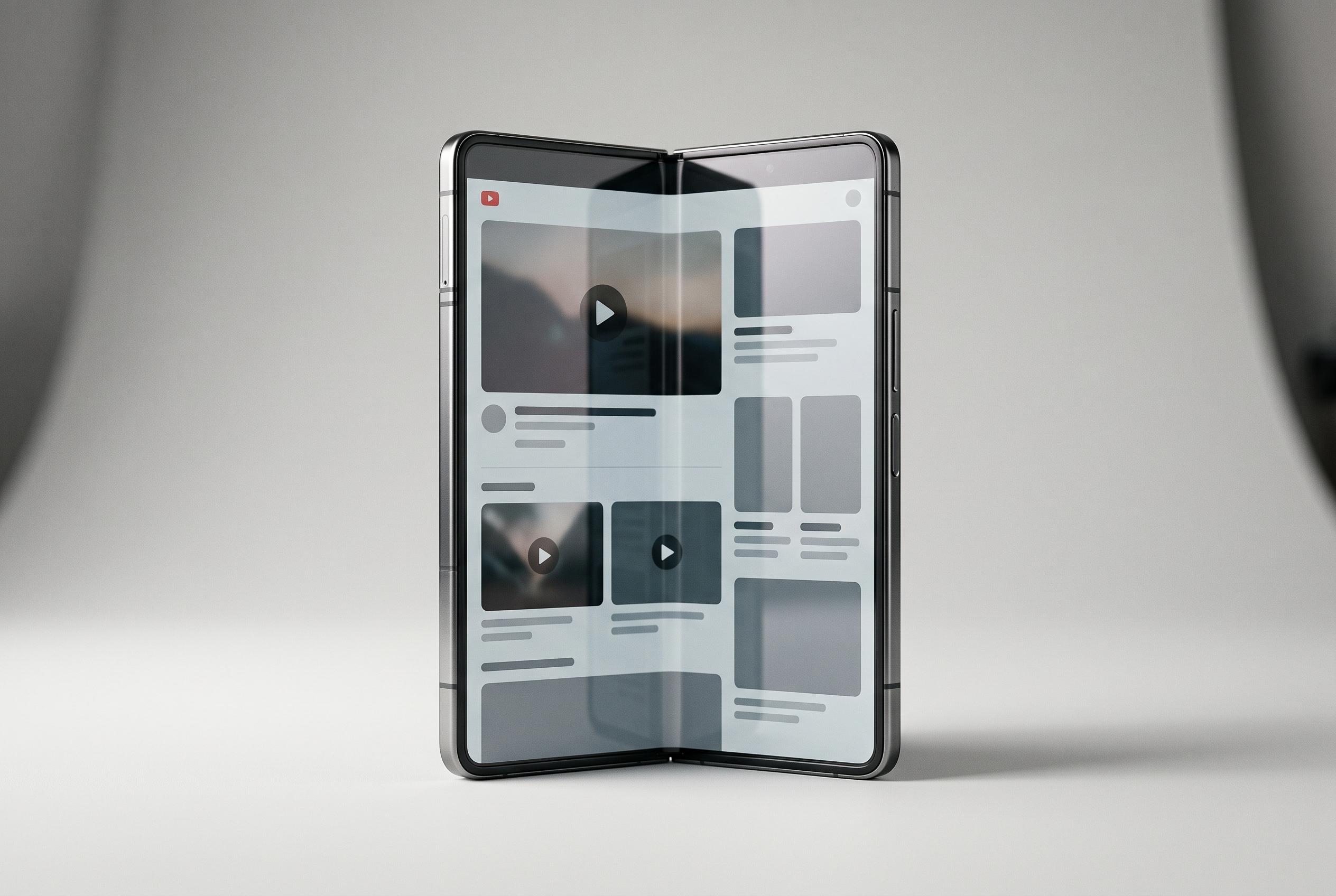

The Samsung Galaxy Z Fold8 offers a lighter, more versatile foldable device tailored for content consumption, featuring a larger inner screen and improved viewing experience, despite some compromises in typing and app optimisation.
Samsung’s Galaxy Z Fold8 is presented as a foldable built around content consumption, and that claim holds up in everyday use. In early hands-on impressions, the device feels closer to a compact tablet than a conventional phone once unfolded, while the outer screen is sized for quick checks and short sessions. Samsung says the handset weighs 201 grams, making it the lightest Galaxy Z Fold model so far, and pairs the Snapdragon 8 Elite Gen 5 with a 4,800 mAh battery rated for more than 26 hours of video playback.
For web browsing, the cover screen is adequate for brief news and light reading, but the inner display is where the Fold8 becomes genuinely useful. The 7.6-inch panel, with its 4:3 shape, makes longer articles, image-heavy pages and document-style content much easier to read. Samsung’s browser also appears to make efficient use of the available space, keeping pages readable even in portrait orientation. The result is a device that can move from phone-like convenience to near-tablet practicality in a single motion.
Video is where the Fold8 makes its strongest case. Short-form clips fit naturally on the cover display, while longer films and programmes benefit from the wider inner screen, which reduces black bars and creates a more immersive frame. Samsung’s promotional material and third-party hands-on reports both point to a reduced crease and a wider outer display as meaningful improvements to the viewing experience. The one clear drawback is speaker placement, which may push many users towards headphones for serious viewing.
Reading is another area where the Fold8 appears well judged. E-books work comfortably on both screens, and the lighter chassis makes extended sessions less tiring than on bulkier foldables. Comics are less consistent: the cover display can feel cramped for speech bubbles and smaller text, while the main screen is far better suited, especially in landscape mode where some apps can present pages in a two-page layout. For long-form text, the device looks particularly well matched to its proportions.
The compromises emerge most clearly in typing and social apps. Email is easy enough to review on either display, but writing replies can be awkward because the keyboard occupies so much of the screen. The same problem applies to messaging and some social feeds, where the Fold8’s unusual aspect ratios can expose apps that are not fully optimised for the format. Samsung’s wider cover screen and flexible inner display make the phone versatile, but the experience still depends heavily on whether the app is designed to take advantage of that extra space.
Disclaimer: This content is intended for informational purposes only. Readers are advised to exercise their own judgement, conduct due diligence, or consult a qualified expert before acting on any information provided.