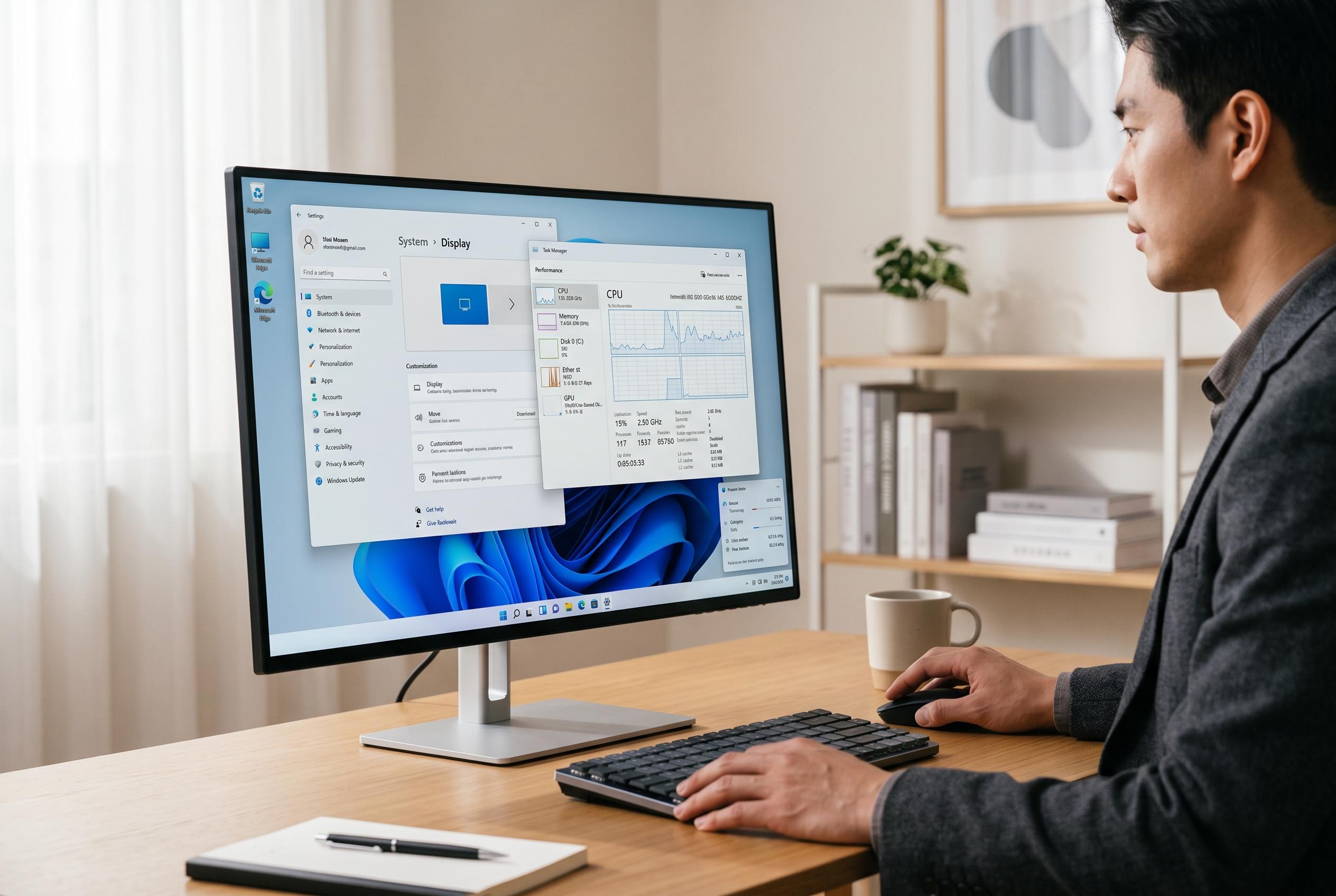

Microsoft is preparing a substantial refresh for Windows 11, emphasising interface enhancements and performance tweaks in the upcoming 26H2 update, marking a move away from visual redesign towards user-centric refinements.
Microsoft is preparing another substantial refresh for Windows 11, and the timing suggests a shift in emphasis rather than a clean break to a new version. According to MuyComputer, the next major update, known internally as 26H2, is expected later this year and is being shaped around interface changes and broader quality improvements rather than a wholesale redesign. That approach reflects a clear change in tone from the early Windows 11 era, when criticism focused as much on polish and responsiveness as on visual consistency.
The most visible changes are likely to affect the Start menu and Taskbar. WindowsCentral reports that Microsoft is already moving major Taskbar and Start menu updates through the final Release Preview stage, including greater customisation and the ability to move or resize the Taskbar. Those changes are intended to make the desktop feel more flexible, and to address one of the longest-running complaints from users who missed elements of Windows 10’s layout control.
Performance is also becoming a more explicit priority. WindowsCentral says Microsoft has recently pushed an update that improves reliability and responsiveness on systems with 8GB of RAM or less, with refinements to Explorer, the lock screen, the sign-in screen, the Start menu and the Taskbar. That is notable because Windows 11 was widely criticised for feeling heavier than its predecessor on modest hardware, even on machines that met the official requirements.
The broader pattern suggests Microsoft is now correcting weaknesses that should have been addressed much earlier. WindowsCentral’s review of five years of Windows 11 notes that the operating system has matured substantially since 2021, with stronger multitasking, better File Explorer features, a more complete Settings app and deeper integration with Microsoft services. Yet it also says legacy components remain unfinished and some AI features have been contentious, which helps explain why Microsoft is still spending so much effort on incremental repair.
That context makes a separate Windows 12 launch look unlikely in the near term. Microsoft already has a large installed base still tied to Windows 10, and the company has little incentive to split attention with a new platform before Windows 11 has fully taken over. TechSpot reports that 26H2 is now in preview and is expected to arrive as an enablement package, which points to a controlled rollout of system-level changes rather than another reset. In practical terms, Microsoft appears to be turning Windows 11 into the version many users expected from the start: faster, cleaner and less constrained.
Disclaimer: This content is intended for informational purposes only. Readers are advised to exercise their own judgement, conduct due diligence, or consult a qualified expert before acting on any information provided.