
DPReview begins testing the Google Pixel 11 Pro XL’s cameras, highlighting new AI-powered features and a focus on computational photography amid modest hardware changes, signalling a strategic shift towards software innovation.
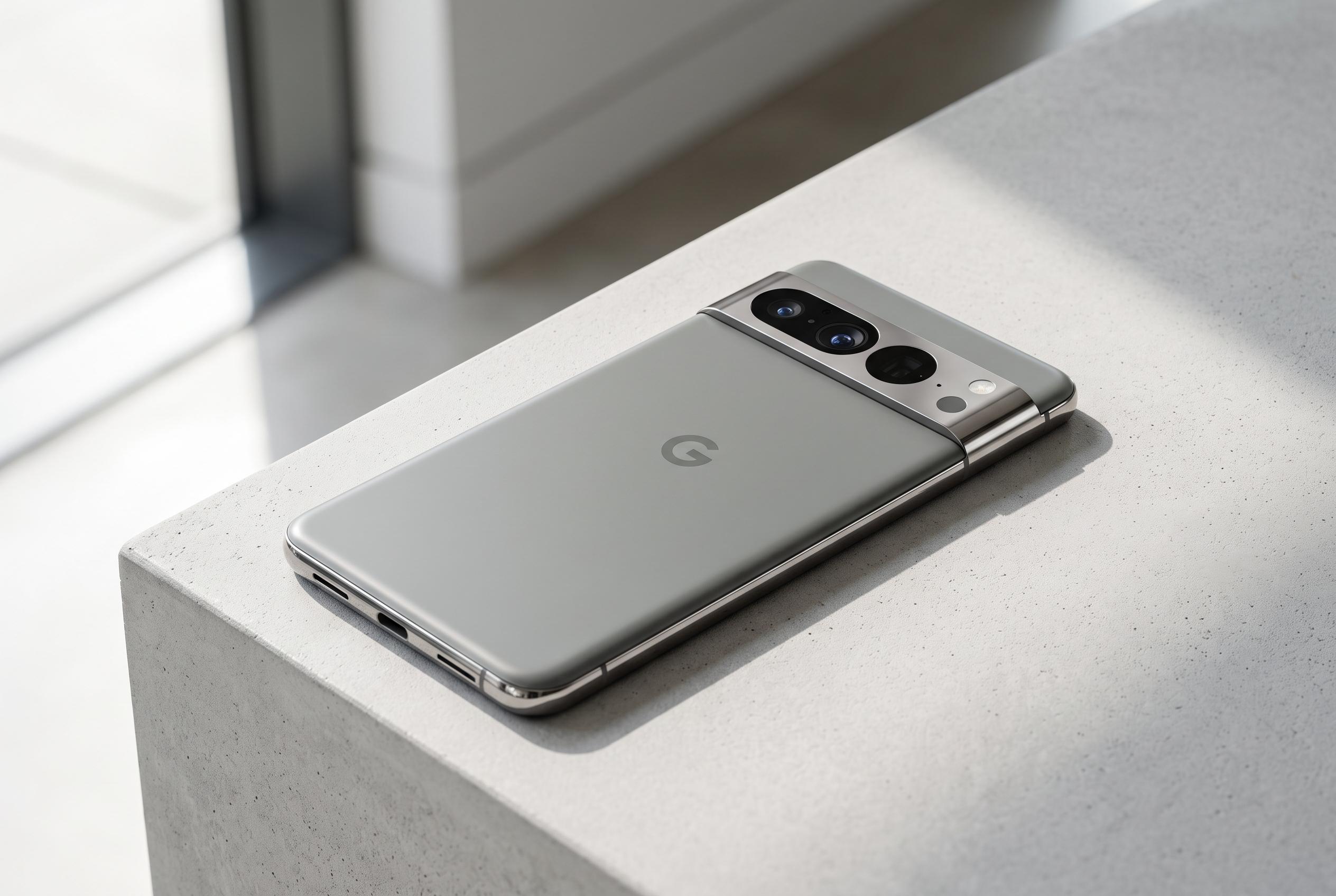
DPReview has received Google’s Pixel 11 Pro XL and has begun testing the handset’s cameras, including a sample gallery to assess image quality. The site says it will also put two new additions through their paces: Camera Looks, which applies custom processing at capture time and is designed to produce images that appear less heavily processed, and Magic Capture, which records stills and video together before using AI to choose the strongest frames and build a highlight clip.
That early hands-on comes as Google’s 2026 Pixel line is being framed as an evolution rather than a full redesign. Reviewers at Tom’s Guide and TechRadar say the Pixel 11 family, including the Pro XL, is built around the new Tensor G6 chip and a stronger AI software stack, with Google leaning heavily on photography and automation features rather than radical hardware changes.
For the Pro XL specifically, the focus remains on size and imaging. Reports describe a 6.8-inch display, upgraded camera hardware and a zoom system that pushes well beyond what most rivals offer, with Google also adding features such as HiLight, an LED ring around the camera flash that can act as a contact-based notification system. Digital Camera World says the wider Pixel 11 range includes bigger sensors and improved low-light performance, while Google’s own camera pages continue to position Pixel as a leader in computational photography, with tools such as Pro Zoom, High-Res Portraits, Video Boost and Night Sight.
Practical accessories are already arriving too, which suggests the phone’s dimensions and finish will make case choice important. Android Central’s guide to the best Pixel 11 Pro XL cases highlights the need for sturdy protection for the large handset, pointing buyers towards options ranging from slim magnetic cases to more rugged designs. Google’s latest flagships are clearly being pitched as software-heavy devices with serious camera ambitions, but DPReview’s testing should reveal how much of that promise holds up in real-world use.
Disclaimer: This content is intended for informational purposes only. Readers are advised to exercise their own judgement, conduct due diligence, or consult a qualified expert before acting on any information provided.