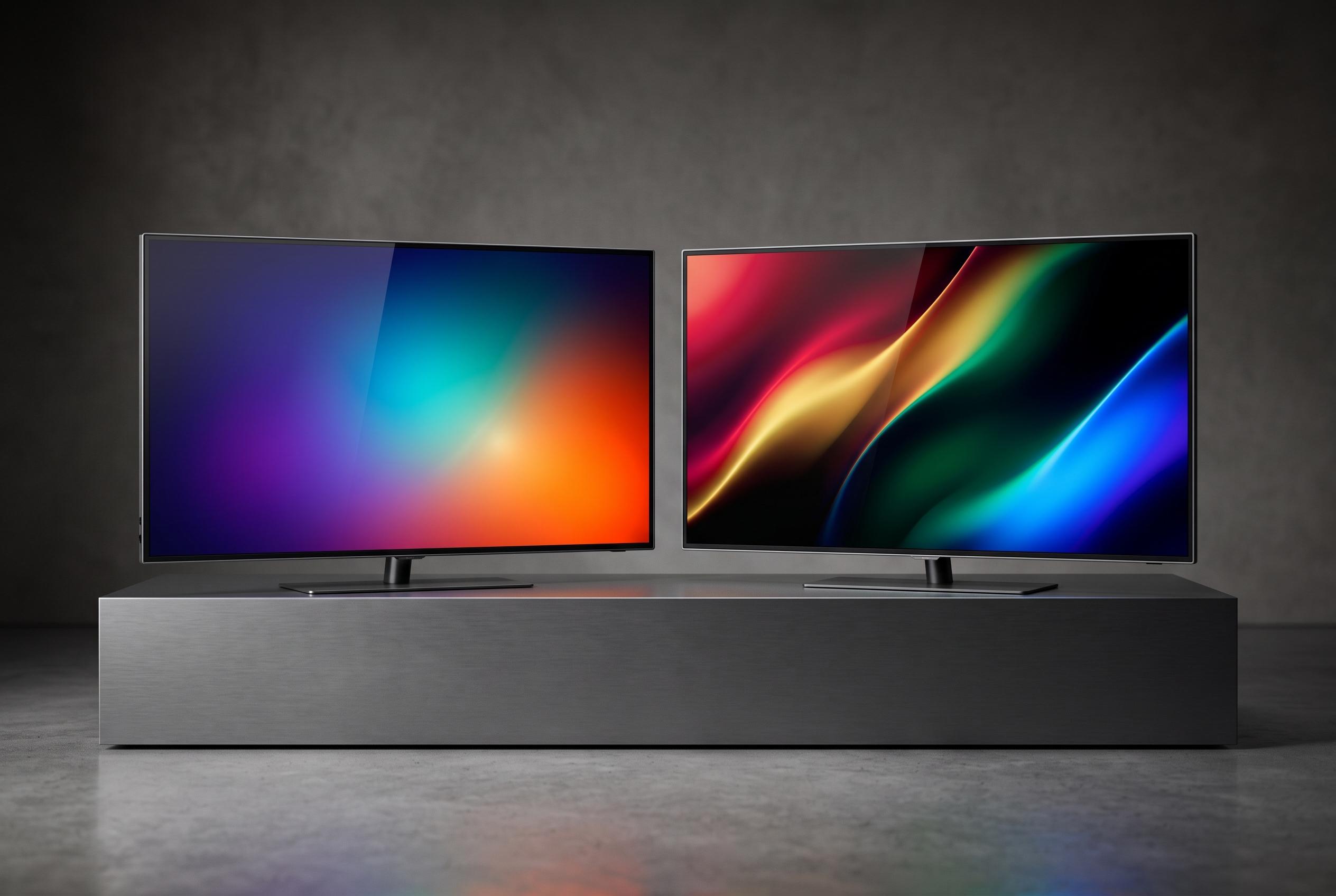

Sony’s Bravia 7 II and Samsung R95H stand out as the latest contenders in the evolving landscape of premium RGB mini LED televisions, blending performance with value amid rising competition from OLEDs.
Sony’s Bravia 7 II and Samsung’s R95H have emerged as two of the most closely watched RGB Mini LED televisions of 2026, but the debate between them is as much about value as it is about raw performance. In a side-by-side test for TechRadar, James Davidson found that Samsung’s flagship R95H delivered the stronger overall picture, while Sony’s set offered much of the same new backlit-TV appeal for about $400 less. The Bravia 7 II is pitched as the more accessible option, yet the comparison shows how quickly premium RGB models are moving into OLED territory.
Davidson’s viewing tests suggested that Sony’s strength lies in colour depth and balance, rather than sheer intensity. The Bravia 7 II produced a rich, dense image that often felt closer to OLED, especially in more colourful material, while Samsung’s R95H pushed brighter, more vivid tones that could occasionally look overcooked at default settings. Both models handled red, green and pink with a high degree of accuracy, but the Sony was judged to have the greater sense of colour volume, which gave it an advantage in scenes where tonal gradation mattered more than brightness alone.
Brightness and contrast told a different story. TechRadar reported peak HDR brightness of 1,960 nits for the R95H against 1,163 nits for the Bravia 7 II in one picture mode, with Samsung also leading in other HDR settings. That extra output made the R95H more effective in bright rooms and gave it the edge on anti-glare performance, where its matte finish reduced reflections more convincingly than Sony’s screen. Sony still impressed with controlled blooming, strong black handling and impressive motion, but Samsung was more convincing in darker, high-contrast scenes and preserved detail more reliably when viewed off-axis.
For buyers, the distinction is straightforward. The Bravia 7 II is the better-value choice and, according to other recent reviews, a serious early example of Sony’s True RGB approach, with strong HDR performance, wide viewing angles and gaming features including HDMI 2.1 support, though only two ports are available. The Samsung R95H remains the more accomplished television overall, especially if brightness and bright-room performance matter most. Even so, both sets reinforce the same conclusion: RGB backlighting has become a genuine alternative in premium LCD design, but it has not yet displaced OLED as the benchmark.
Disclaimer: This content is intended for informational purposes only. Readers are advised to exercise their own judgement, conduct due diligence, or consult a qualified expert before acting on any information provided.