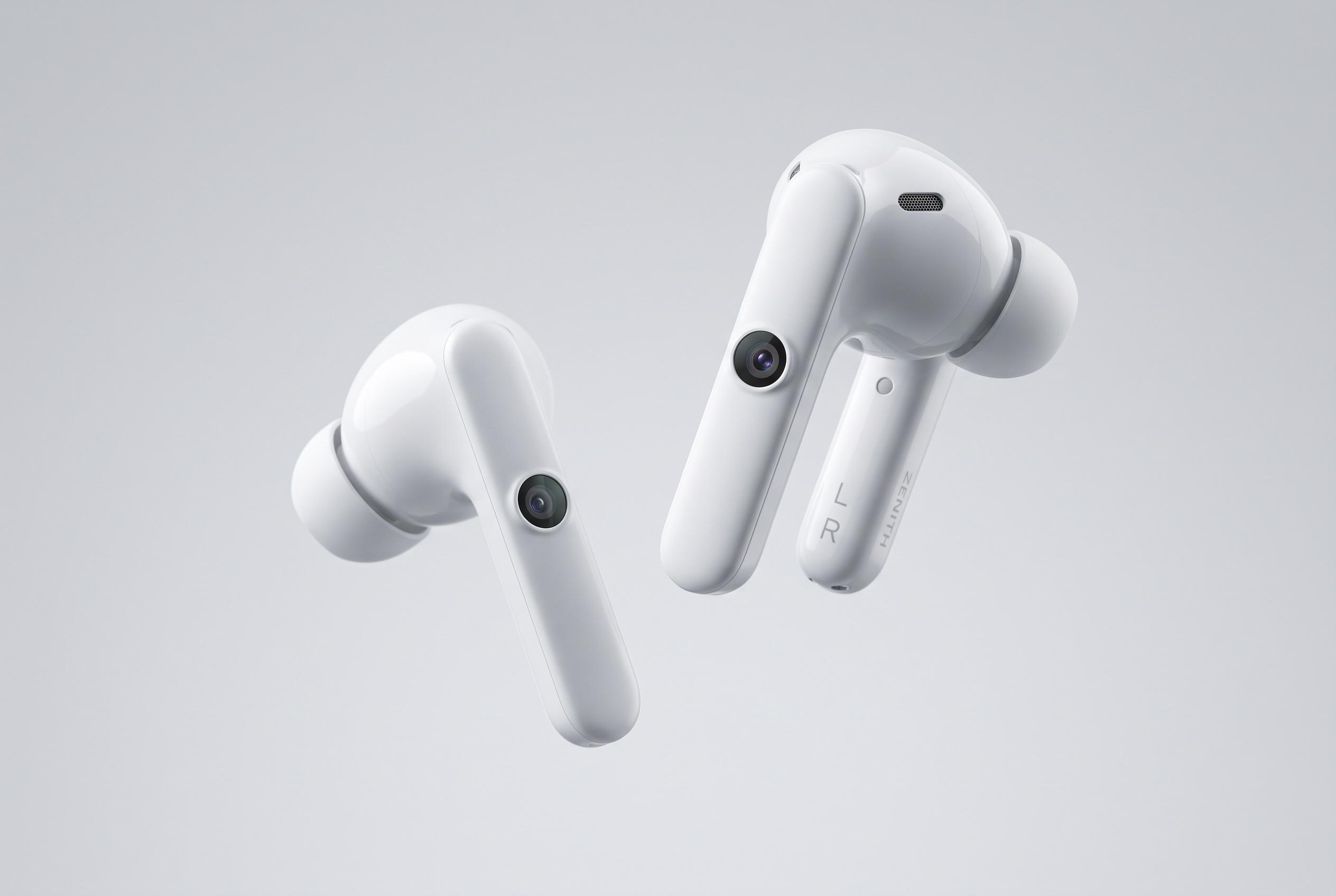

Apple is developing a new generation of AirPods featuring built-in cameras designed to feed visual data into its Visual Intelligence system, promising smarter environmental sensing and contextual assistance from Siri, with potential launch as early as September or late 2027.
Apple appears to be preparing a new generation of AirPods with cameras built in, but not for taking photographs in the usual sense. Instead, the sensors are expected to feed visual data into Apple’s Visual Intelligence system, allowing Siri to respond to what the wearer is seeing and, in some cases, to flag if the earbuds are being blocked by hair, according to reports tied to a recent macOS Tahoe release.
The move would extend Apple’s long-running push to make AirPods more than an audio accessory. The company’s official Newsroom shows a steady cadence of feature upgrades across the range, from hearing-focused functions to better recording and audio quality improvements, underlining how Apple has increasingly used software to add value to the product line. MacRumors reported in July that Apple also expanded AirPods features in beta firmware, including camera remote controls for taking photos or starting video, which suggests the hardware is already being positioned for broader interaction with Apple devices.
Bloomberg’s Mark Gurman has previously said the camera-equipped model is in development under the codename B790 and could arrive at Apple’s September event. Other reports say the project has been discussed for some time and may still be aimed at a later launch window, with one source citing late 2027 as a more likely timeframe. That split reflects the uncertainty around Apple’s AI hardware schedule, particularly as the company continues to refine the software layer that would make such devices useful.
If Apple does move ahead, the appeal would be practical rather than cosmetic. Analysts quoted by technology sites say the cameras would function as environmental sensors, potentially helping Siri identify objects, places or ingredients, and enabling features such as contextual assistance or more adaptive audio behaviour. The idea fits into a broader push across Apple’s wearable roadmap, which reportedly includes smart glasses and other AI-driven devices built around Apple Intelligence rather than stand-alone computing power.
Disclaimer: This content is intended for informational purposes only. Readers are advised to exercise their own judgement, conduct due diligence, or consult a qualified expert before acting on any information provided.