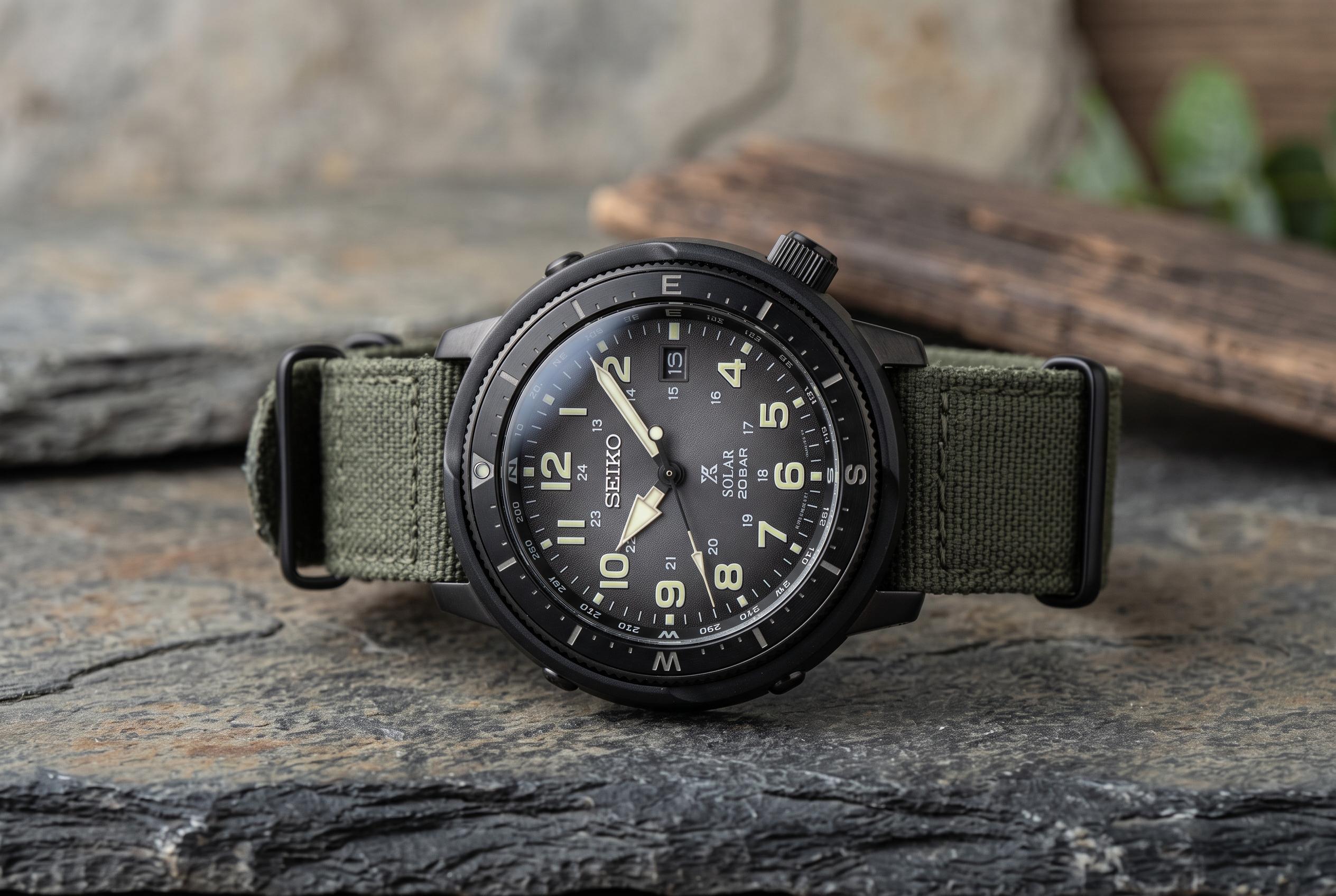

The category of field watches under $1,000 is evolving beyond nostalgia, emphasising durability, practicality, and innovative features like solar power, as key to their ongoing relevance and appeal in daily wear.
Field watches occupy a narrow but demanding corner of the watch market. Their appeal depends on restraint: clear dials, sensible proportions, reliable movements and comfort over long wear. In a category where there is little decorative distraction, even small compromises become obvious after repeated use. That is why the best examples under $1,000 are usually those that prove themselves in daily rotation rather than those that merely look convincing in photographs. Twobrokewatchsnobs argues exactly that point, drawing on more than a decade of hands-on wear to separate watches that remain practical from those that fade after the novelty wears off. Other recent guides take a similar view, treating durability, legibility and case dimensions as the key filters rather than style alone.
That approach also helps explain why the field-watch category remains broader than a simple nostalgia exercise. Lug2lug’s ranking of 107 watches across 23 brands shows that the segment now spans quartz, hand-wound and automatic options, with case sizes and water resistance varying widely enough to suit both compact vintage-inspired pieces and more capable tool watches. Its top pick, the Astor + Banks Terra Scout, reflects a newer preference for stronger specifications, including a 38.5mm case, a La Joux-Perret G100 movement and 201m of water resistance. By contrast, other buying guides continue to champion cleaner, more traditional field-watch designs from Hamilton, Seiko, Tissot, Marathon and Luminox, showing that the market still rewards both heritage and utility.
Among the more affordable options, the Rdunae RA02 stands out for how closely it follows the old military formula without adding excess. Twobrokewatchsnobs highlights its compact 34.5mm case, light weight, minimalist dial and basic Miyota quartz movement as the foundation of its appeal. The point is not technical drama but ease of ownership: a low-profile case, straightforward readability and little more to manage than a battery change. That same emphasis on low-maintenance practicality is echoed by other field-watch round-ups, which increasingly separate true utility pieces from watches that simply borrow military styling cues.
The Timex Expedition Field Post Solar follows the same logic, but with a more modern execution. Twobrokewatchsnobs values its solar movement, compact 36mm case and easy outdoor legibility, while noting that lume is not its strongest trait. The broader point is that solar power has become a useful answer to one of the field watch’s oldest compromises: regular winding or battery replacement. For readers who want an uncomplicated daily watch rather than a mechanically romantic one, that matters more than heritage branding. Similar guides place Timex alongside Hamilton and Seiko as a credible entry point for buyers who want a robust watch without crossing into enthusiast pricing.
At the higher end of the sub-$1,000 range, the Vaer C4 Tactical Field Solar and Marathon General Purpose Mechanical show how far the category can stretch without losing its identity. The Vaer adds 200m water resistance, a bezel and a solar movement, making it closer to a compact tool watch, while the Marathon uses a resin case, tritium tubes and a Seiko NH35A to create a watch that feels purpose-built rather than styled for the outdoors. Twobrokewatchsnobs treats both as examples of field watches whose appeal comes from actual wearability: good proportions, dependable illumination and a low-fuss ownership experience. That focus aligns with First Class Watches’ assessment of the Marathon General Purpose Mechanical as a light, durable option built to military standards.
The most established names in the category still matter because they balance nostalgia with modern usability. Hamilton’s Khaki Field Mechanical appears repeatedly across buying guides, and for good reason: it offers hand-wound charm, compact proportions and a clean military dial without drifting into vintage imitation. Twobrokewatchsnobs singles out its daily winding ritual, strong real-world accuracy and balanced 38mm case, while also praising the 36mm Khaki Field Mechanical 250 for improving water resistance and preserving the same basic appeal. That is the central lesson of the category overall. The best field watches under $1,000 are not the ones with the most features, but the ones that stay legible, comfortable and dependable long after the first impression has passed.
Disclaimer: This content is intended for informational purposes only. Readers are advised to exercise their own judgement, conduct due diligence, or consult a qualified expert before acting on any information provided.