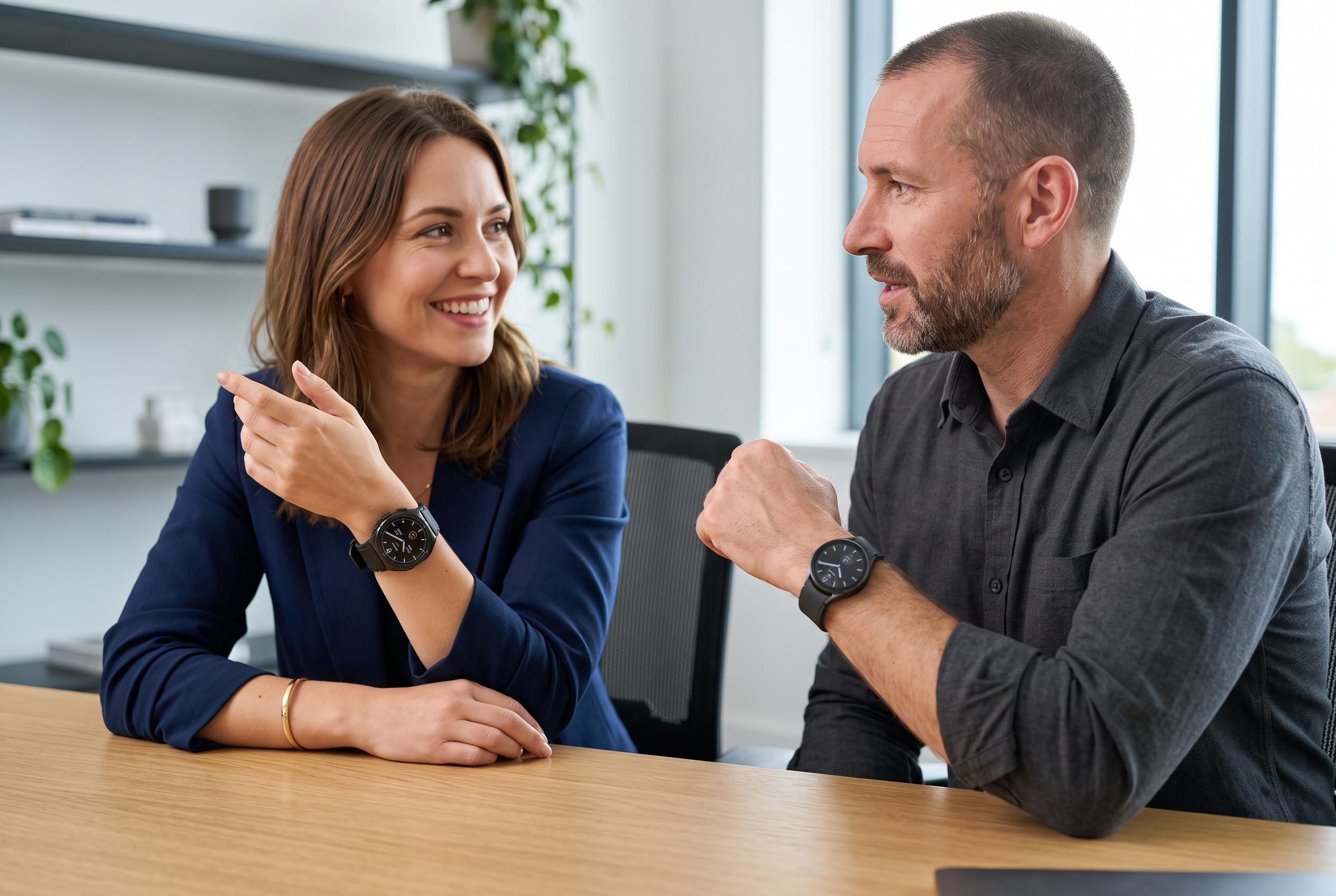

Samsung launches the Galaxy Watch Ultra 2 and Galaxy Watch 9, shifting from passive tracking to AI-driven personalised health advice, with targeted models for demanding users and everyday fitness enthusiasts.
Samsung’s new Galaxy Watch Ultra 2 and Galaxy Watch 9 mark a shift in how the company wants its wearables to be used. Rather than acting mainly as passive counters of sleep, steps and workouts, the watches are designed to behave more like health advisers, using algorithms and AI to turn routine data into personalised guidance. Samsung says the aim is to help users make better day-to-day decisions, not just to record what happened after the fact.
The two models are aimed at different buyers. The Galaxy Watch Ultra 2 is the tougher, more ambitious device, pitched as Samsung’s answer to the Apple Watch Ultra range. It uses a titanium case, has a 1.52-inch display rated at 5,000 nits and is slimmer than the original Ultra, while Samsung says it also brings a faster processor and improved battery life. The watch is meant for harder use, from marathon training to trail running and diving. By contrast, the Galaxy Watch 9 is the lighter, more compact option, built in aluminium with a 3,000-nit display and shorter battery life, but with much of the same health software.
Both watches use Samsung’s BioActive sensor package, which combines heart-rate monitoring, ECG and bioelectrical impedance analysis with temperature, motion, pressure, magnetic and light sensors. That hardware supports automatic exercise detection for activities including walking, running, cycling, rowing, swimming and elliptical training, plus manual tracking for more than 90 other workouts. Samsung’s broader goal is to make the data more actionable, with the watches presenting it in a way that is easier for non-specialists to interpret.
One of the main additions is Vitals, which Samsung describes as an early-warning system. It builds a baseline from metrics including heart-rate variability, respiratory rate, skin temperature, heart rate and blood oxygen, then flags changes that may suggest strain or poor recovery. The new Heart Health score combines vascular load, sleep duration, vigorous activity and BMI into a single cardiovascular snapshot, while Daily Cardio Load is Samsung’s version of the training load tools already offered by Garmin, COROS and Polar. The company is also adding Fitness Index, which benchmarks strength, flexibility, endurance, cardiovascular fitness and body composition against others in the same age group.
Hydration and sport-specific tools are also more prominent. The watches estimate sweat loss during running and hiking, then use those figures to issue Nutrition Alerts; Samsung says the guidance changes if estimated fluid loss crosses certain thresholds, although the watch does not measure sweat directly. The Ultra 2 also gains dedicated trail running and diving modes, with route guidance, elevation profiles and off-course alerts for runners, and EN13319 certification plus depth and water-temperature tracking for divers. Samsung says more advanced dive metrics will follow later through a partnership with Mares. In the UK, the Galaxy Watch Ultra 2 costs £649, while the Galaxy Watch 9 starts at £349 for the 40mm model and £379 for the 44mm version.
Disclaimer: This content is intended for informational purposes only. Readers are advised to exercise their own judgement, conduct due diligence, or consult a qualified expert before acting on any information provided.