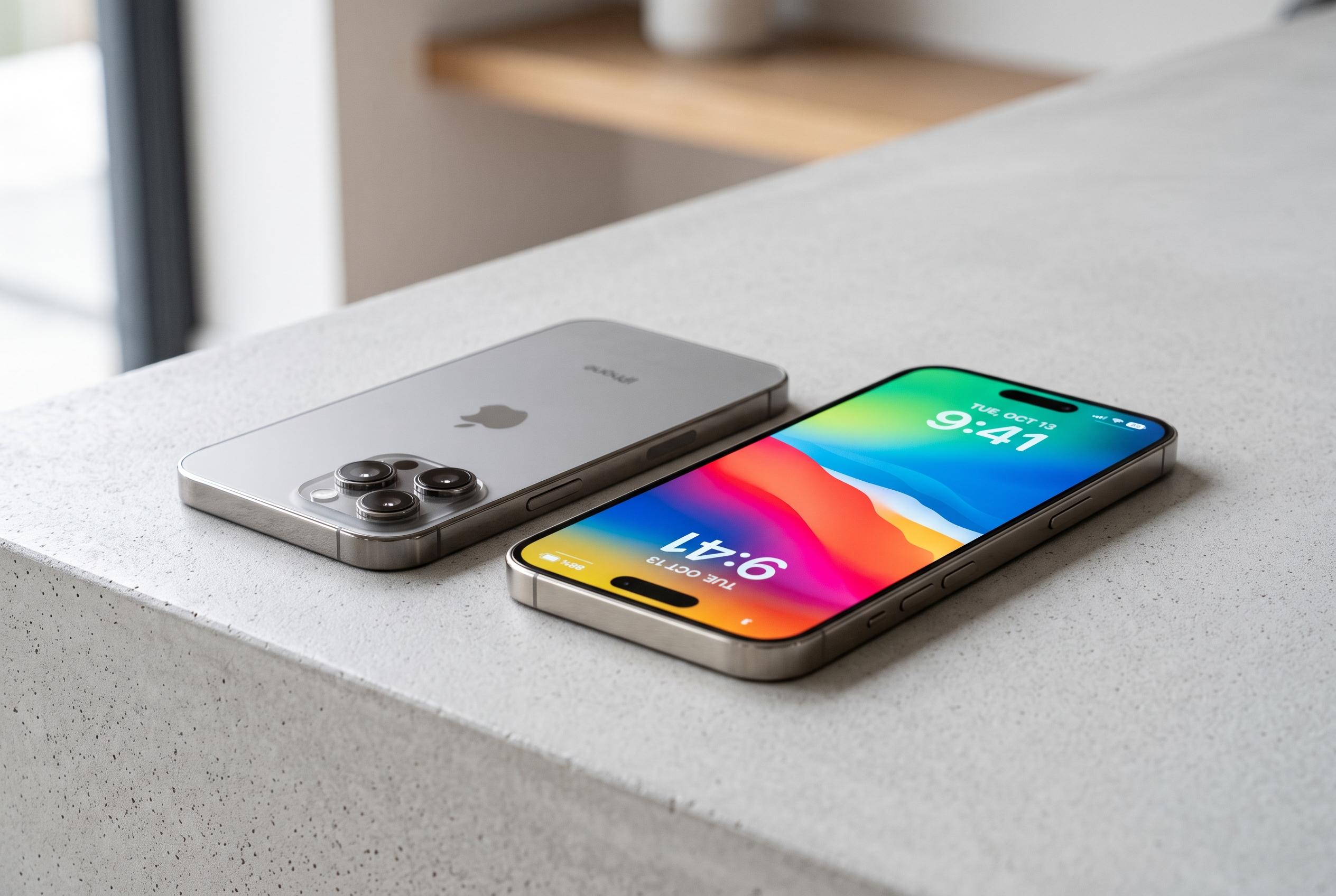

Apple plans a pioneering departure from its traditional annual release schedule, with the standard iPhone 18 anticipated to launch in spring 2027, while high-end Pro models arrive in September 2026, marking a strategic shift aimed at focusing consumer attention on premium devices during peak sales periods.
Apple is preparing a sharp break with its usual iPhone timetable, with reports suggesting that the standard iPhone 18 will not arrive alongside the Pro models in autumn 2026. MacRumors says the higher-end iPhone 18 Pro and iPhone 18 Pro Max are still on course for a September 2026 launch, while the mainstream iPhone 18 and iPhone 18e are expected to slip into spring 2027. That would leave Apple’s premium phones to carry the next holiday season, while the cheaper models wait for the following year. MacRumors says the move is intended to concentrate attention on the most profitable devices at the most commercially important time.
The change would mark a significant adjustment to Apple’s long-standing annual release rhythm. MacRumors reported earlier this year that Apple was planning to split the iPhone 18 family into two launch windows, and later said a supply-chain partner had effectively confirmed that the base model would not appear in 2026. The publication also noted that the strategy fits wider reporting from The Information, analyst Ming-Chi Kuo and Nikkei Asia, all of which pointed to Apple reserving the first half of 2027 for the non-Pro phones. According to those reports, the pattern is designed to widen the gap between the premium and standard handsets as Apple adds more devices to the range.
The expected hardware changes are largely evolutionary rather than radical. MacRumors’ roundup says the iPhone 18 Pro models should receive the new A20 chip and C2 modem, with no major redesign expected, while the standard iPhone 18 may keep a 6.27-inch display but gain higher brightness, more memory and a 24-megapixel front camera. The same roundup says Apple is also working on improvements to battery capacity, rear sensors and, on some models, a smaller Dynamic Island cut-out or a revised front display layout. For the base handset, that may be paired with compromises such as a less capable graphics configuration than the Pro versions.
For buyers, the delay strengthens the case for choosing the current iPhone 17 rather than waiting. Apple’s official product page says the iPhone 17 has a 6.3-inch Super Retina XDR display with ProMotion, an A19 chip and a 48-megapixel Dual Fusion camera system, with prices starting at $799 in the US. That makes it a comparatively predictable option at a time when reports suggest future iPhones may become more expensive, particularly the Pro line. In practical terms, the iPhone 17 now looks like the safer upgrade for customers who want a recent model without waiting into 2027 for Apple’s next standard flagship.
Disclaimer: This content is intended for informational purposes only. Readers are advised to exercise their own judgement, conduct due diligence, or consult a qualified expert before acting on any information provided.