
Apple is building a customised Chinese language AI model for its devices, collaborating with Alibaba to better navigate local regulations and compete in China’s fast-growing AI-enabled smartphone market.
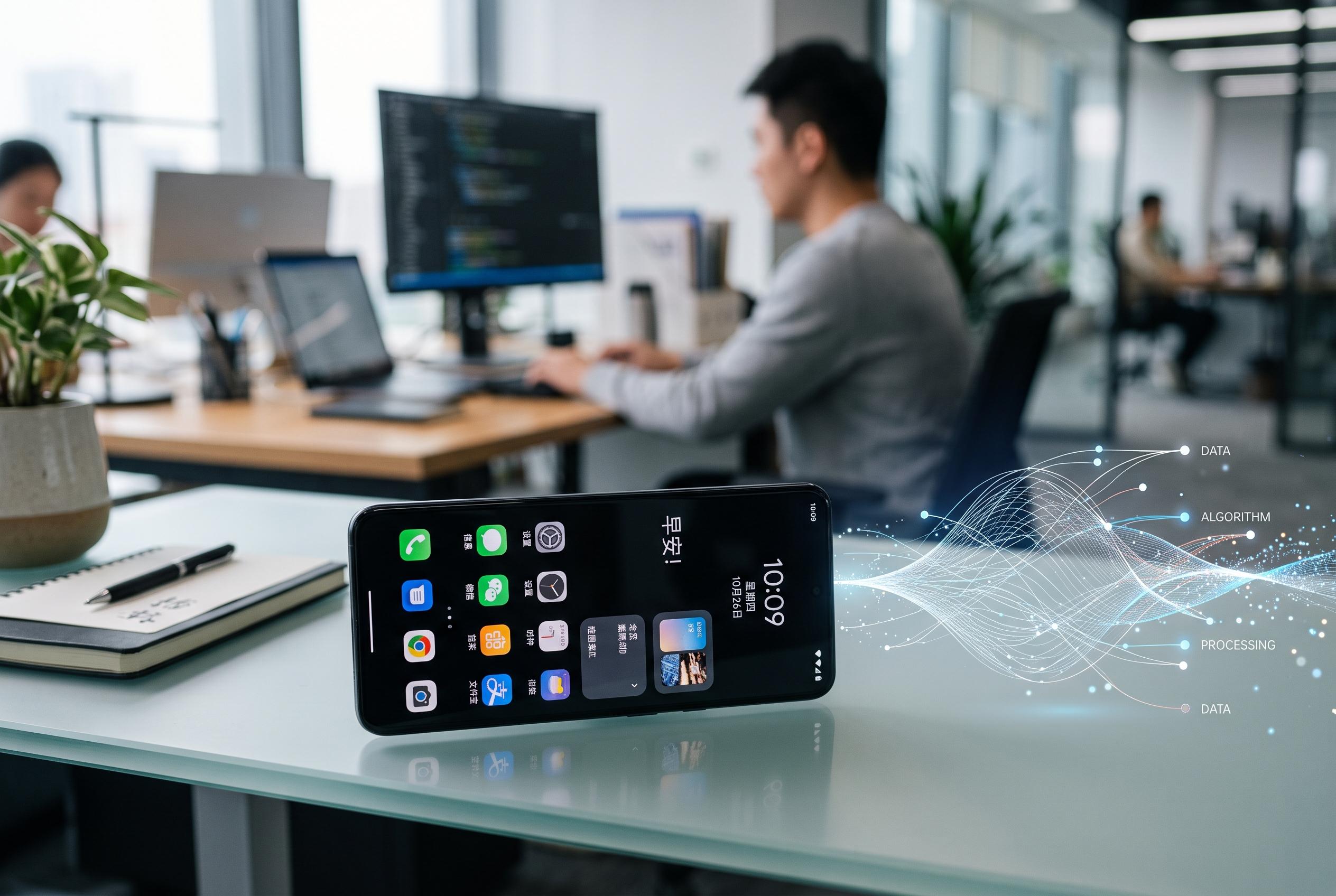
Apple has developed a large language model for the Chinese market with help from Alibaba, according to people familiar with the matter cited by Reuters, in a sign that the company is moving beyond its earlier dependence on outside Chinese models for local artificial intelligence features.
The shift matters because China is one of Apple’s most important overseas markets, yet it has been a difficult place to deploy the company’s AI software. Apple Intelligence is expected to arrive on Chinese devices in the coming months, after a lengthy regulatory review that ended last month when the Cyberspace Administration of China approved Apple’s generative AI service, Reuters reported. That clearance was described by other outlets as a key step towards launch, with Alibaba’s Qwen model set to play a central role and Baidu also understood to be involved in parts of the rollout.
According to the Reuters account, Apple’s China-specific model was built with support from Alibaba during training. The company had previously relied mainly on third-party partners to bring generative AI functions to iPhones sold in China, where services such as ChatGPT and Claude are not available. A locally trained model would give Apple more control over how its AI system behaves in the country, while still fitting within China’s strict regulatory framework.
The arrangement also reflects the increasingly competitive state of the Chinese smartphone market. Domestic vendors, including Huawei, have been quick to market AI-enabled devices, while Apple has struggled to match that pace without a localised AI stack. Reuters said the absence of Apple Intelligence on Chinese iPhones has been viewed as one factor behind weaker sales, as some consumers have shifted towards brands with built-in assistants and broader on-device AI features.
A dual-track approach now appears to be emerging. Under the reported plan, Apple’s own model would sit alongside third-party Chinese models rather than replace them entirely, although the exact division of labour remains unclear. Reuters said it is not yet known how Apple will combine the internally trained model with Alibaba’s Qwen system or any Baidu technology. Last week, Apple briefly published a Chinese-language guide for Mac users explaining how to connect Alibaba’s Qwen service to Siri and Writing Tools before removing it without explanation, a sign that the rollout is still being refined.
The partnership itself was first publicly acknowledged in February, when Alibaba chairman Joe Tsai said Apple would use his company’s AI technology in China. Since then, the launch has been delayed as Apple adjusted its services to local rules. If the deployment proceeds as expected, it will give Apple a rare hybrid model for a foreign technology company in China: compliance with domestic requirements, but with greater influence over its own AI experience than before.
Disclaimer: This content is intended for informational purposes only. Readers are advised to exercise their own judgement, conduct due diligence, or consult a qualified expert before acting on any information provided.