
Garmin’s new Cirqa band offers a screen-free, versatile activity tracker that improves accuracy through biceps wear for high-intensity activities, but faces limits in certain sports and intense efforts.
Garmin’s Cirqa band is a screen-free activity tracker built for people who want continuous health data without moving to a full sports watch. In testing by the5krunner, it proved strongest where steady movement and stable wrist contact mattered most, and weakest when rapid arm motion or abrupt changes in effort challenged the optical heart-rate sensor. That pattern makes it a credible everyday tracker, but not a universal answer for every sport.
Priced at $199.99, £179.99 or €199.99, Cirqa enters a crowded market of subscription-light and subscription-free bands. TechRadar notes that Garmin is pitching it as a rival to screenless devices such as the Fitbit Air, while Tom’s Guide highlights its more active-user focus, optional premium services and support for third-party integrations such as Natural Cycles. The attraction is clear: core health, sleep and training data do not require a subscription, though some advanced functions remain behind Garmin Connect+.
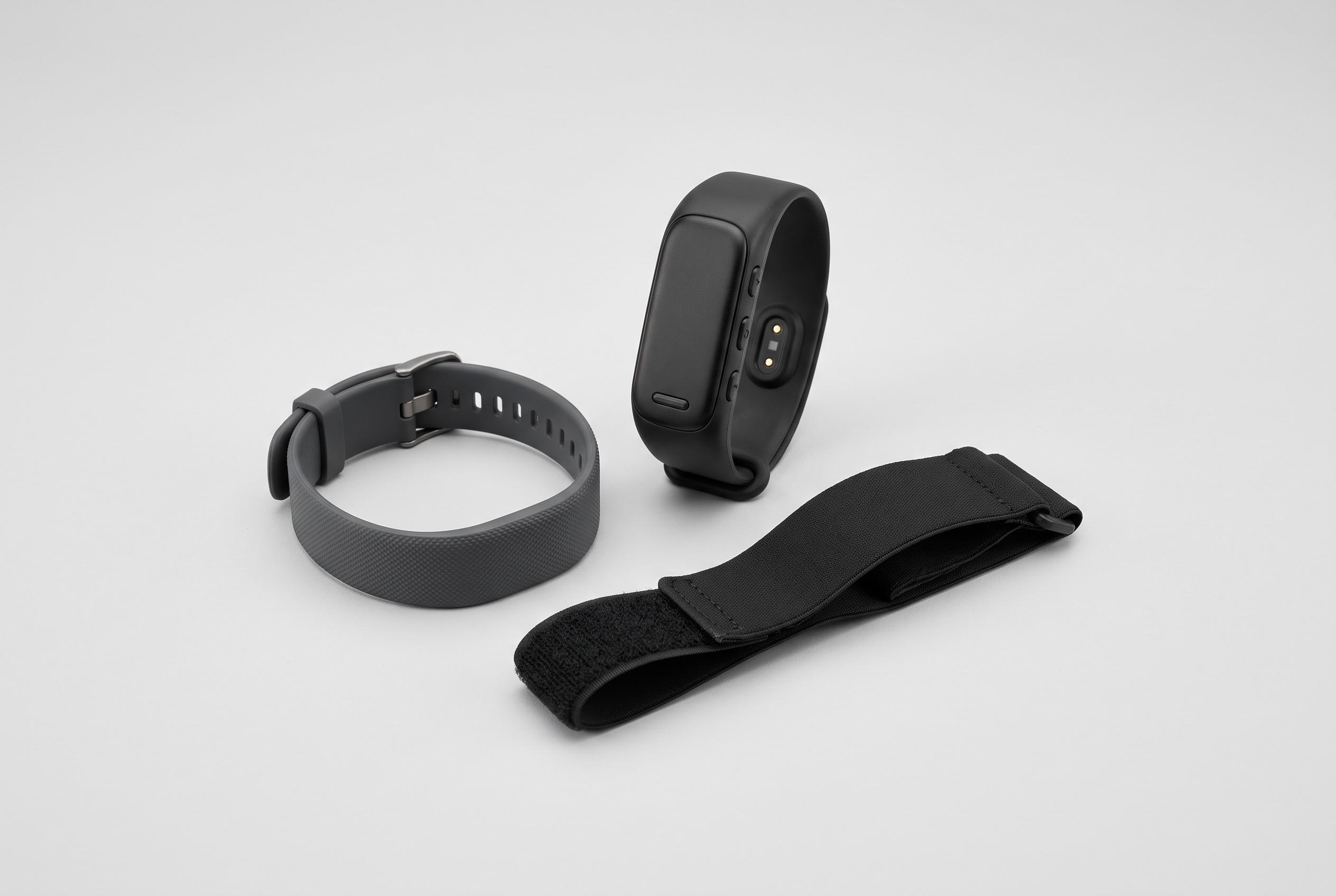
The hardware is restrained but practical. According to the review, the band has a single physical button for starting and stopping workouts, uses a connected phone for GPS, and supports both wrist and upper-arm wear. That flexibility matters because the optical sensor behaved much better on the biceps during harder efforts. The reviewer also found the device comfortable and well made, although the module can feel too long on smaller wrists and strap changes are awkward.
Accuracy was the defining issue. In gym circuits, yoga and outdoor cycling, Cirqa stayed close to reference devices, often within about a beat. In an open-water swim and during interval running on the wrist, however, it fell behind badly. Moved to the biceps, it tracked repeated running efforts almost exactly against multiple references. That makes placement central to the buying decision: wrist wear appears suitable for steady training and daily life, while biceps wear is safer for sharper intensity changes.
Sleep and background tracking were more conventional. The5krunner found that resting heart rate and breathing rate were broadly dependable, while sleep staging, calorie estimates and step counts sat within the range typical of consumer trackers rather than medical devices. Tom’s Guide and TechRadar both point to Garmin’s broader software ecosystem as a selling point, especially for users who already rely on Garmin Connect and want more detail than a basic tracker usually provides.
The main caveat is not price but scope. Garmin’s own ecosystem gives Cirqa breadth, but the band is still a screenless sensor first and a sports tool second. For walkers, gym users and cyclists who want a discreet 24/7 tracker, it looks strong. For swimmers, interval runners or anyone expecting flawless wrist-based optical readings under stress, it is less convincing.
Disclaimer: This content is intended for informational purposes only. Readers are advised to exercise their own judgement, conduct due diligence, or consult a qualified expert before acting on any information provided.