
As portable monitors become more sophisticated and affordable, they’re transforming from travel accessories into essential devices for remote work, creative tasks, and gaming, offering flexible, high-quality display options across various uses.
Portable monitors have become a practical way to add workspace without carrying a full-size screen, and MacVoices’ discussion frames them as a useful upgrade for anyone who works while travelling. The central argument is simple: even a modest second display can make it easier to manage mail, documents and browser windows at the same time, reducing the constant switching that slows work on the move.
The episode contrasts inexpensive 1080p models with higher-resolution 4K alternatives, while also weighing the trade-offs in picture sharpness, cost and portability. That distinction matters because, as recent buying guides from Tom’s Hardware and PCWorld note, the best portable monitor is usually the one matched to the task rather than the most expensive panel available. For many users, a lighter 15.6-inch or 16-inch display is enough for productivity; others may prefer a sharper 4K screen for design work, text-heavy tasks or more flexible desktop use at home.
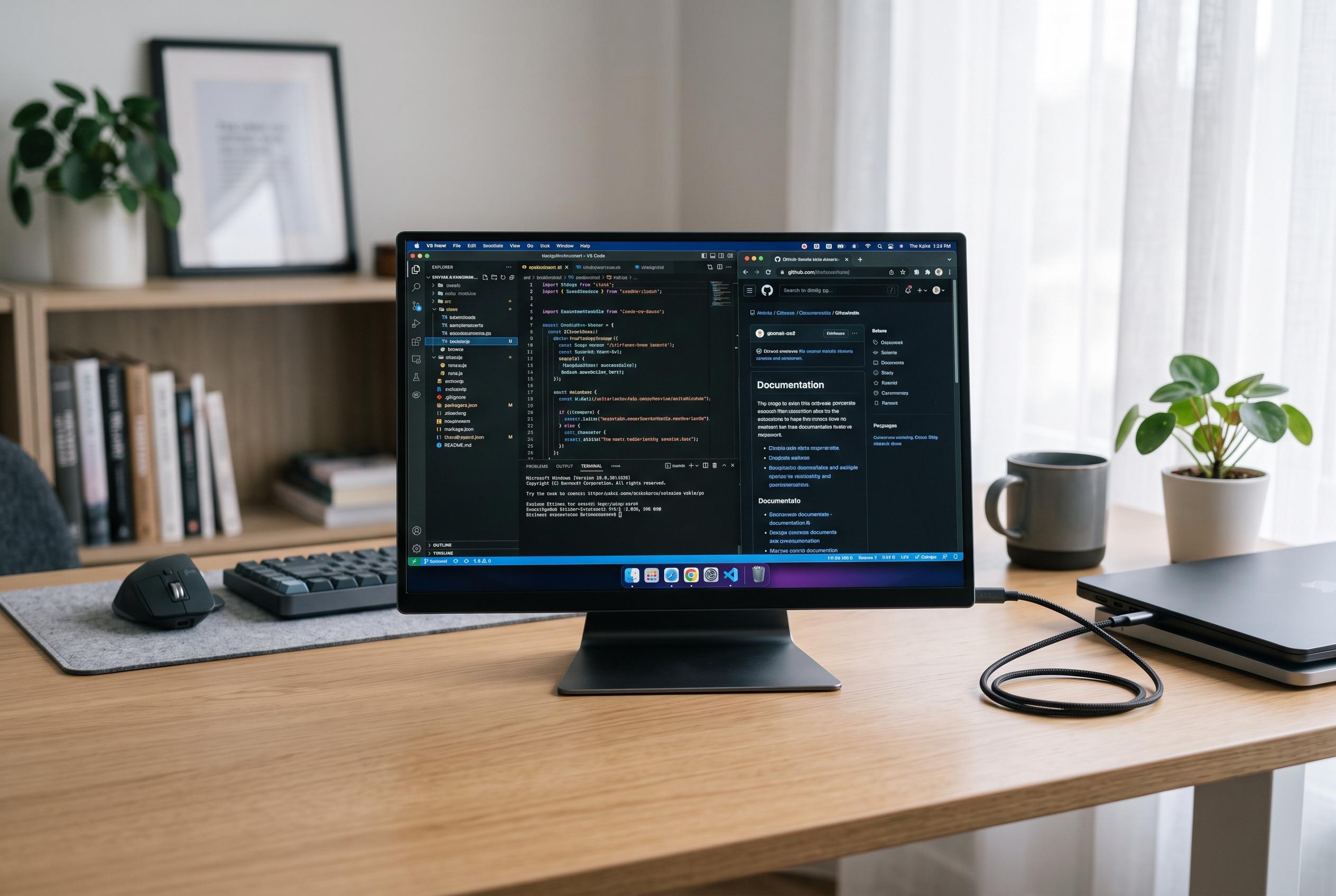
Connectivity is another deciding factor. USB-C is now the most convenient option because a single cable can carry both video and power on compatible devices, while HDMI remains important for older laptops, game consoles and wider compatibility. TechRadar’s coverage of the Arzopa Z3FC underlines how quickly this category has matured, with features such as dual USB-C ports, HDMI input, a built-in kickstand and a light aluminium frame now common on well-regarded models. Brightness, colour coverage and refresh rate also matter, especially if the same display will be used for gaming as well as work.
The wider market has also moved beyond the idea that portable monitors are only for travel. Review round-ups from MonitorMaven, Truthful Reviews and The Consumers Guide show a broad spread of models aimed at office use, creative work and home setups, including ASUS ZenScreen variants, LG’s gram +View line, ViewSonic’s VP16 and Lenovo’s ThinkVision range. That reflects the same point made in the MacVoices briefing: a portable monitor can serve as a flexible second screen in a hotel room, at a desk or in a temporary workspace, provided buyers pay attention to power draw, stand quality, protective covers and the ports their devices actually support.
Disclaimer: This content is intended for informational purposes only. Readers are advised to exercise their own judgement, conduct due diligence, or consult a qualified expert before acting on any information provided.