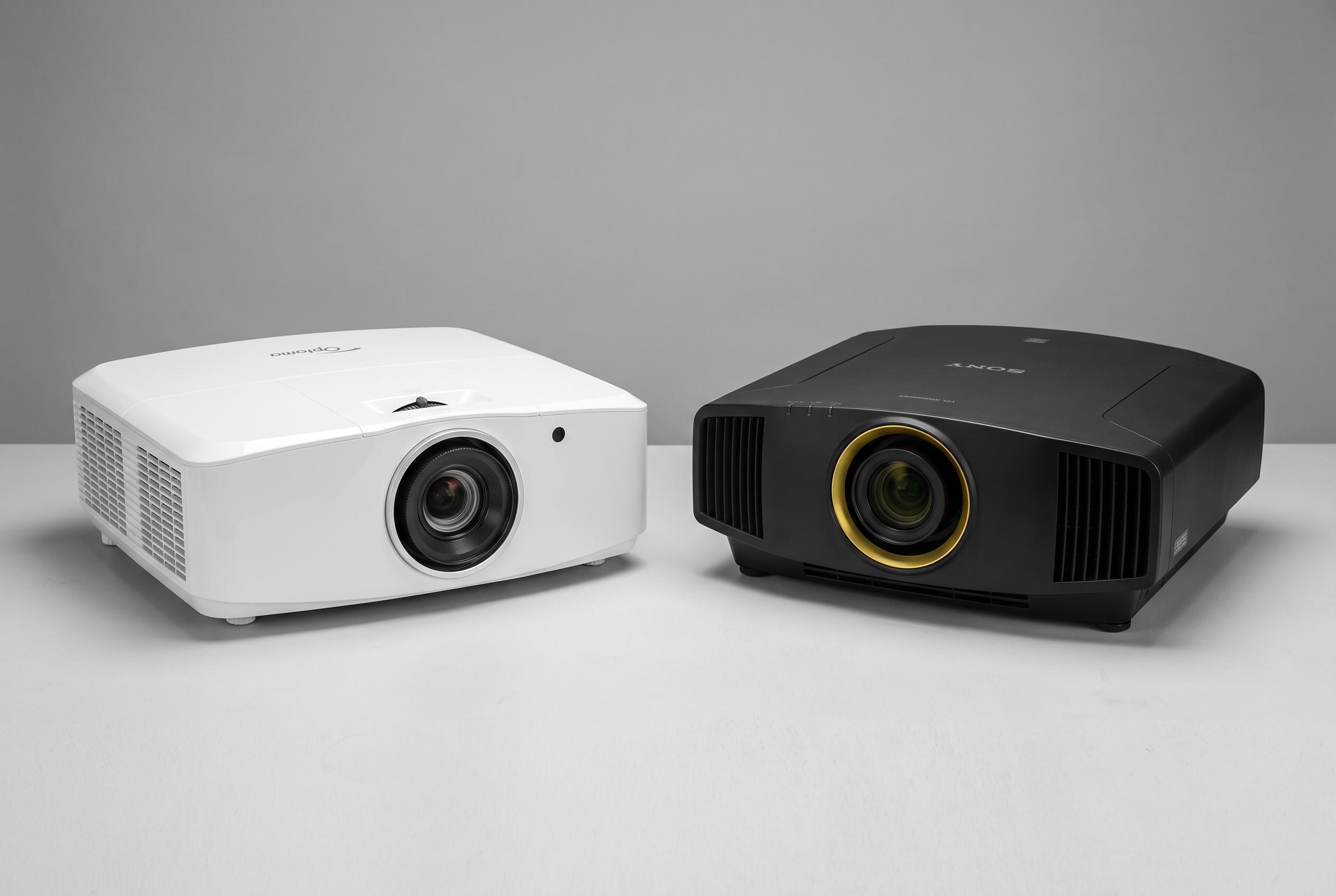

The comparison between Sony’s native 4K SXRD projector and Optoma’s laser-based model highlights evolving priorities in home theatre setups , with the Optoma excelling in brighter environments and cinematic fidelity remaining Sony’s forte in controlled dark rooms.
Choosing between the Sony VPL-XW5000ES and the Optoma UHZ78LV comes down less to specification sheets than to room conditions and viewing priorities. What Hi-Fi? found that the Sony is the more convincing option for a dark, dedicated cinema space, while the Optoma is better suited to brighter rooms and mixed-use viewing, thanks to its much higher claimed brightness and wider feature set. Sony’s projector uses native 4K SXRD panels, whereas the Optoma relies on 4K pixel shifting, but the latter adds Dolby Vision, HDR10+ and 4K/120Hz gaming support.
Sony’s own specifications confirm that the VPL-XW5000ES is a native 4K model with a 0.61-inch SXRD panel, the X1 Ultimate for projector processor, and manual lens-shift adjustment. That combination helps explain why it is positioned as a serious home cinema machine rather than a flexible all-rounder. The Optoma, by contrast, is built around a triple RGB laser light source and a single-chip DLP system, with What Hi-Fi? reporting a 5000-lumen output, motorised lens controls and a broader set of connectivity options, including HDMI 2.1.
In use, that difference is decisive. What Hi-Fi? says the Optoma produces a more forceful image in rooms with ambient light, with vivid colours and strong highlight impact, and Dolby Vision in particular helps it look better balanced than its HDR10 and SDR performance might suggest. Yet the same review says the Sony has the edge for film watching in darkness, delivering deeper blacks, more natural colour and cleaner motion, with its native 4K presentation looking more solid and finely textured than the Optoma’s pixel-shifted image.
The Optoma also has the practical advantage. What Hi-Fi? notes motorised focus, zoom and lens shift, plus better gaming support and wider HDR compatibility, all of which make installation and everyday use easier. Sony’s model is more limited here, with manual controls, fewer HDR formats and no 4K/120Hz input, although its lower UK price at the time of testing improved its value proposition. Sony’s official dimensions and throw range also underline that this is a sizeable, fixed-installation projector rather than a casual living-room device.
The result is a clear but conditional verdict. For viewers who want the brightest and most adaptable projector, especially in a room that cannot be fully darkened, the Optoma UHZ78LV is the more versatile choice. For those prioritising picture accuracy, motion handling and a more cinematic presentation in a controlled environment, the Sony VPL-XW5000ES remains the better projector overall, even if it gives away brightness and convenience.
Disclaimer: This content is intended for informational purposes only. Readers are advised to exercise their own judgement, conduct due diligence, or consult a qualified expert before acting on any information provided.