
In 2026, motorised projector screens are gaining popularity as a practical and convenient upgrade for home cinema enthusiasts, with new models emphasising quiet operation, easy installation, and optimal surface options tailored to room lighting and size.
Motorised projector screens remain a practical upgrade for home cinema owners who value convenience and a cleaner room layout. After extensive testing of multiple models in different lighting conditions, the lead review concludes that the right screen can improve day-to-day usability without demanding a premium price. That assessment is broadly in line with other 2026 buying guides, which also place motor noise, image flatness and installation simplicity at the centre of the purchase decision.
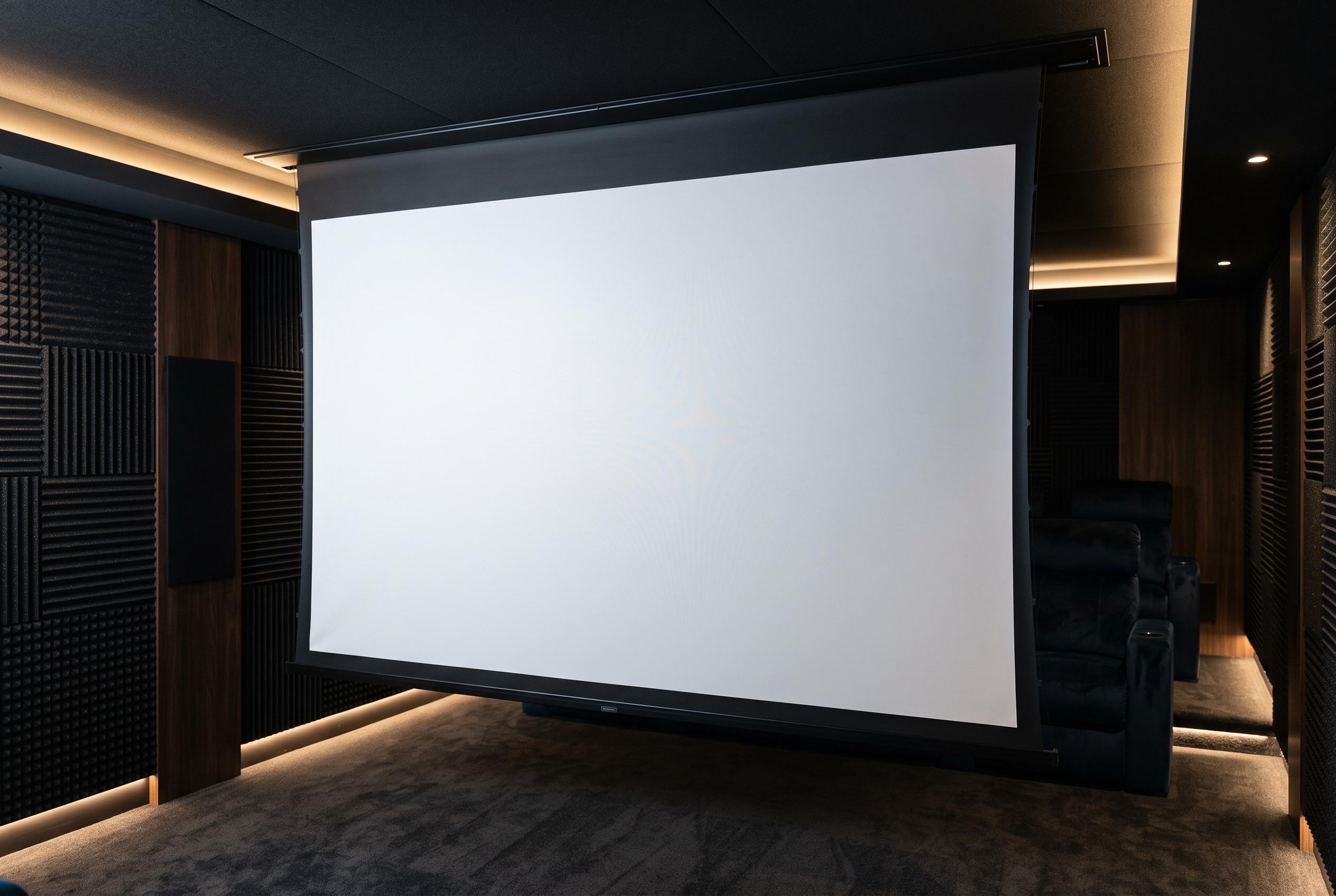
The strongest case for buying one is consistency. A powered screen avoids the uneven pull of a manual model, retracts neatly when not in use and keeps the viewing area uncluttered. The lead review found that the most useful features were a quiet tubular motor, a matte white surface with useful gain, and remote control that works reliably from across the room. Other recent guides similarly highlight whisper-quiet operation, tensioning systems and easy mounting as the features that separate competent screens from frustrating ones.
For most buyers, the mid-size 16:9 models appear to offer the best balance. The lead review places the ZUEDA 100-inch screen at the top of its list, while also recommending the Kshioe 92-inch for tighter budgets and the Aoxun 120-inch for outdoor use. That reflects a wider pattern in 2026 reviews: standard home-theatre formats dominate, while larger 120-inch and 150-inch screens are reserved for rooms with enough viewing distance and light control to support them.
There are also clear technical limits. Standard matte white screens can work well in darkened rooms, but they are not the right answer for ultra-short-throw projectors in brighter spaces, where ambient-light-rejecting surfaces perform better. Likewise, tab-tensioned designs and firmer housings matter more as screen size increases, because curling and ripple become more visible over time. Several of the related guides point to tensioned constructions, ALR coatings and 12V trigger integration as the next tier up for buyers building a more permanent system.
The practical buying lesson is straightforward: choose the screen to match the room, not just the projector. A smaller bedroom or office setup can work well with a compact 72-inch or 92-inch model, while a typical living room will usually suit something around 100 to 120 inches. Larger installations can be impressive, but they need the wall space, seating distance and motor quality to justify them. Within that framework, the lead review’s conclusion is sensible: for many home users, a decent motorised screen is worth the cost, but only if the size, control method and surface type suit the room.
Disclaimer: This content is intended for informational purposes only. Readers are advised to exercise their own judgement, conduct due diligence, or consult a qualified expert before acting on any information provided.