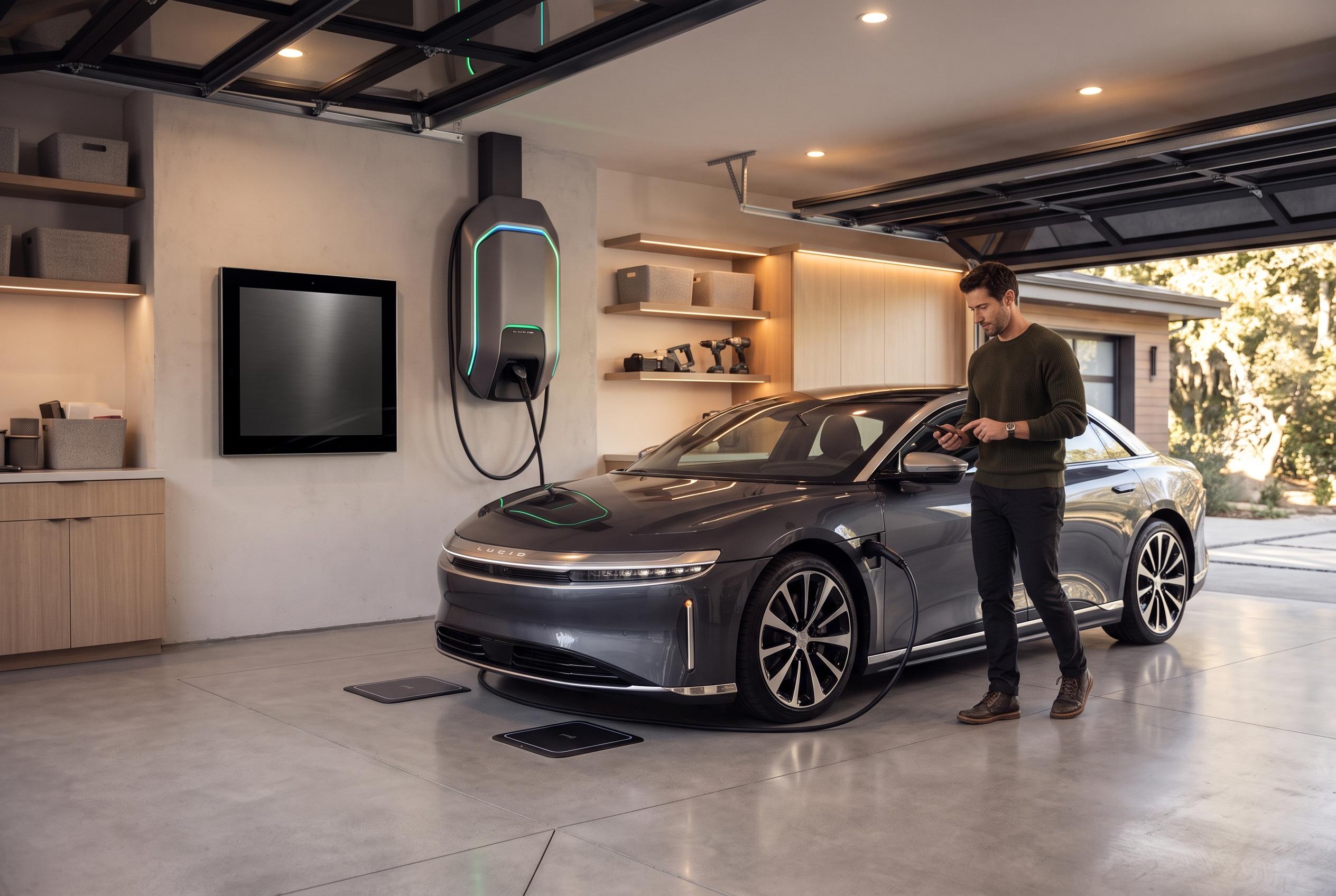

The garage is transforming from a storage space into a vital extension of the connected home, offering increased security, convenience, and vehicle management through innovative smart systems and seamless integration.
A car is increasingly part of the connected home, and the garage or carport is becoming a technical extension of it. According to guides from DoorServPro, OGD, Modernize and Best Buy, smart garage systems now combine Wi-Fi connectivity, app-based control, sensor checks and home-platform integration to give owners remote visibility as well as basic door operation. That shift matters because the garage is no longer just storage; it is now a managed interface between vehicle, household and security system.
For many owners, the most immediate benefit is maintenance. Connected vehicles can pass alerts about tyre pressure, service intervals and battery status to a phone or home dashboard, while some systems can place reminders on shared calendars. For electric vehicle owners, the practical value is even clearer: charging can be scheduled for off-peak hours, reducing electricity costs without manual intervention. In effect, the home becomes part of the vehicle care system rather than a passive parking space.
The smart garage door itself remains the most visible entry point. DoorServPro says products such as LiftMaster’s myQ connect to home Wi-Fi and allow owners to open, close and monitor a garage door from a smartphone app, while also supporting alerts, scheduled auto-close functions and guest access. OGD and Best Buy note that many systems also keep an activity history and can be linked with wider smart-home platforms. Some models replace an existing motor, while others retrofit a current opener, which makes the upgrade accessible to older garages as well as new builds.
The more advanced examples go further by tying the car and the house together. Geofencing can trigger a welcome-home sequence as a vehicle approaches, turning on lights, adjusting temperature and opening the garage automatically. Hyundai and Chamberlain have also pointed to deeper in-car control, allowing drivers to manage home devices from the vehicle screen. That kind of integration reduces friction at the end of a journey, but it also raises the importance of secure authentication and reliable network design.
Physical design still comes first. A robust shelter remains the baseline protection for any vehicle, especially where sun, rain, hail or debris are a concern. For owners planning a more capable setup, experienced carport builders can help create a structure that supports later additions such as chargers, cameras and lighting. The essentials are straightforward: a dedicated 240-volt supply for Level 2 EV charging, extra outlets for accessories, motion-activated lighting and stronger Wi-Fi coverage through an extender or mesh node.
Looking ahead, the same space may need to accommodate self-parking and other automated functions. That means wider access, clear manoeuvring room and, in some cases, sensors that can help guide the car into position. The technology is still developing, but the direction is clear: the most useful vehicle space will be the one that combines solid construction with connected systems, so the garage or carport works as both protection and platform.
Disclaimer: This content is intended for informational purposes only. Readers are advised to exercise their own judgement, conduct due diligence, or consult a qualified expert before acting on any information provided.