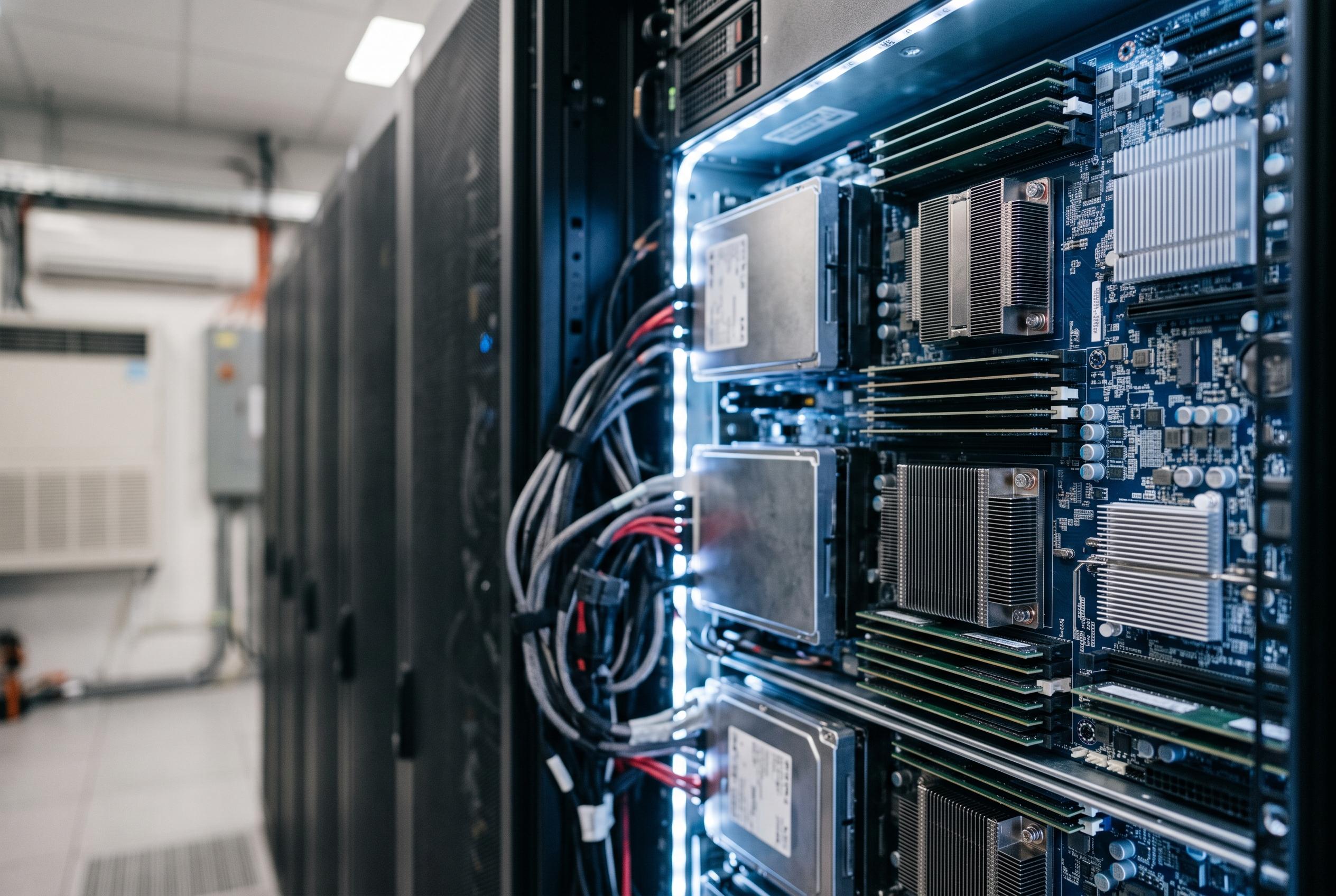

Jim Cramer champions the continued potential of memory chip stocks like Micron, SanDisk, Seagate, and Western Digital, citing AI-driven demand as a key driver despite recent sharp gains and sector volatility.
Jim Cramer is urging investors to look past the usual instinct to avoid stocks that have already surged. On a recent “Mad Money” segment, he argued that the memory and storage chip trade still has room to run, despite sharp gains across the group this year. According to TheStreet, he described Micron, SanDisk, Seagate and Western Digital as indispensable, and said he did not think he was too late to the rally. The shares have climbed steeply in 2026, with SanDisk up more than 650%, Seagate more than 260%, Micron roughly 250% and Western Digital just over 210%.
The core of Cramer’s case is that artificial intelligence is changing the supply-demand balance for memory. He linked the move to Elon Musk’s warning that memory, not compute, is becoming the key bottleneck in AI build-outs. Yahoo Finance reported that Musk’s comments helped lift sentiment across the sector, while Bank of America has argued that the market is still underestimating how structurally different this cycle may be. In that view, AI data centres are not just adding incremental demand; they are consuming a very large share of global memory production.
Micron is central to that argument. TheStreet said Cramer’s investing trust recently opened a new position in the company during a pullback and that he now considers it his top pick among the group. The same report said Micron’s high-bandwidth memory and DRAM capacity is sold out through 2027, and that the company has already secured $22 billion in advance cash deposits tied to customer agreements. Yahoo Finance also reported that George Soros’s fund sharply increased its Micron stake in the second quarter, adding another sign that some large investors still see upside.
Even so, the trade is volatile. Yahoo Finance reported that memory shares fell on 18 August as rising Treasury yields pressured valuations, despite their strong year-to-date runs. A separate report on 6 August said Western Digital, SanDisk and Micron dropped sharply in a broader sector sell-off even after Western Digital posted solid quarterly results. That pattern underlines how quickly sentiment can reverse in a market still treated by many investors as cyclical, even as AI-linked demand has temporarily stretched the cycle.
The bigger risk is that the AI build-out itself becomes harder to finance, slower to approve or more politically contentious. CNBC reported that Nvidia has lined up financing partnerships with several major investors to mobilise more than $500 billion for AI infrastructure, highlighting the scale of capital required. But opposition is building: Gallup found broad public resistance to nearby AI data centres, and US lawmakers have begun proposing limits on new construction. If that pushback grows, memory suppliers could again find themselves producing into a market with less appetite than current prices imply.
Disclaimer: This content is intended for informational purposes only. Readers are advised to exercise their own judgement, conduct due diligence, or consult a qualified expert before acting on any information provided.