
Major tech firms like Apple and Google are introducing tools to verify the origin of images, aiming to address rising concerns over AI-altered photos, but challenges regarding authenticity and interpretation remain.
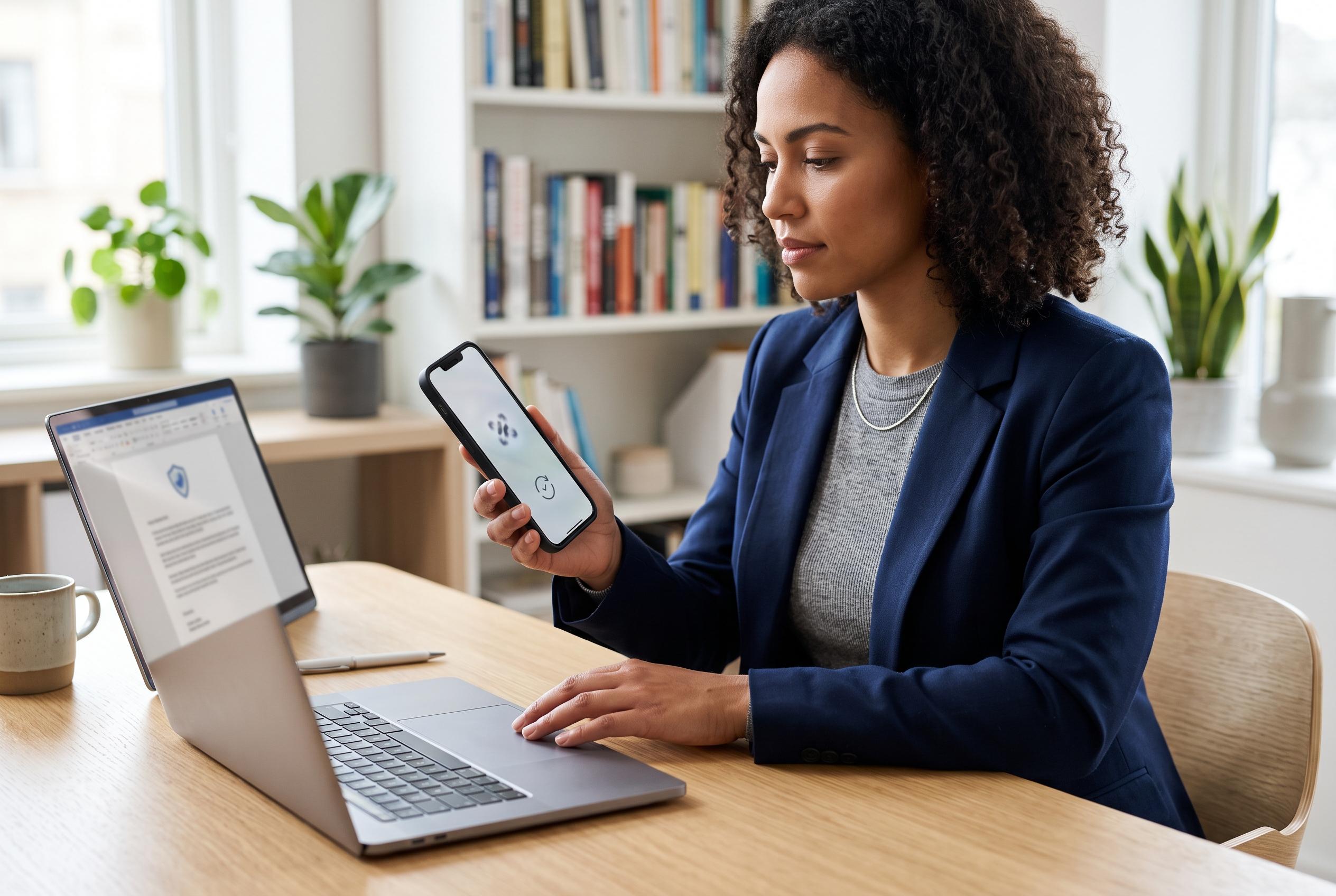
AI-generated images and videos have made it harder to know when a picture can still be treated as evidence. According to a republished article from The Conversation on Women’s Agenda, that problem is pushing major technology firms to build tools that can attach provenance data to photographs, so viewers can check where an image came from and whether it was altered.
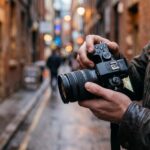
The Conversation says Google began embedding content authenticity software in some smartphone cameras in 2025, using the C2PA standard that has also been adopted by camera makers including Nikon, Sony and Canon. Reports from MacRumors, Macworld, Cult of Mac and EdgeX suggest Apple is now testing a similar system in iOS 27 beta code, under the name “Apple Reference Image”, with a dedicated Reference mode in the Camera app and verification routed through Apple’s Private Cloud Compute servers.
That approach could help prove that a picture was captured on a real iPhone sensor rather than generated by AI. But, as The Conversation notes, the system would not automatically protect every image. Early reports indicate it would be switched off by default, would not apply to existing photos, and would require the user to decide in advance which pictures need authentication.
Even then, a verified file would not automatically be a truthful one. The Conversation points out that angle, cropping, timing and staging can still distort what a photograph appears to show. A provenance label may help establish origin, but it does not settle questions of context, intent or interpretation, which means readers will still need to judge the source, the setting and the wider evidence before trusting what they see.
Disclaimer: This content is intended for informational purposes only. Readers are advised to exercise their own judgement, conduct due diligence, or consult a qualified expert before acting on any information provided.