
Cybersecurity expert Troy Hunt tests a new approach to residential IoT door locks, focusing on power independence, local control, and safety features. Inspired by Ubiquiti’s UniFi Access platform, this innovative design aims to solve common smart lock vulnerabilities and enhance home security resilience.
Troy Hunt says he believes he has found a workable pattern for residential IoT door locks, and the system he is testing is built around the same practical constraints Ubiquiti documents for its UniFi Access platform: the lock should stay powered without depending on batteries, remain locked during a power cut, work locally rather than through the cloud, and still allow a manual exit in an emergency.
That combination matters because access control fails in predictable ways when any one of those requirements is ignored. Ubiquiti’s guidance on UniFi Access covers both fail-safe and fail-secure locks, along with the voltage and wiring requirements for common electric, strike and magnetic locks. In simple terms, fail-secure hardware stays locked when power is lost, which is the safer default for an external door, while fail-safe hardware is used where code or safety rules require a door to unlock on loss of power.
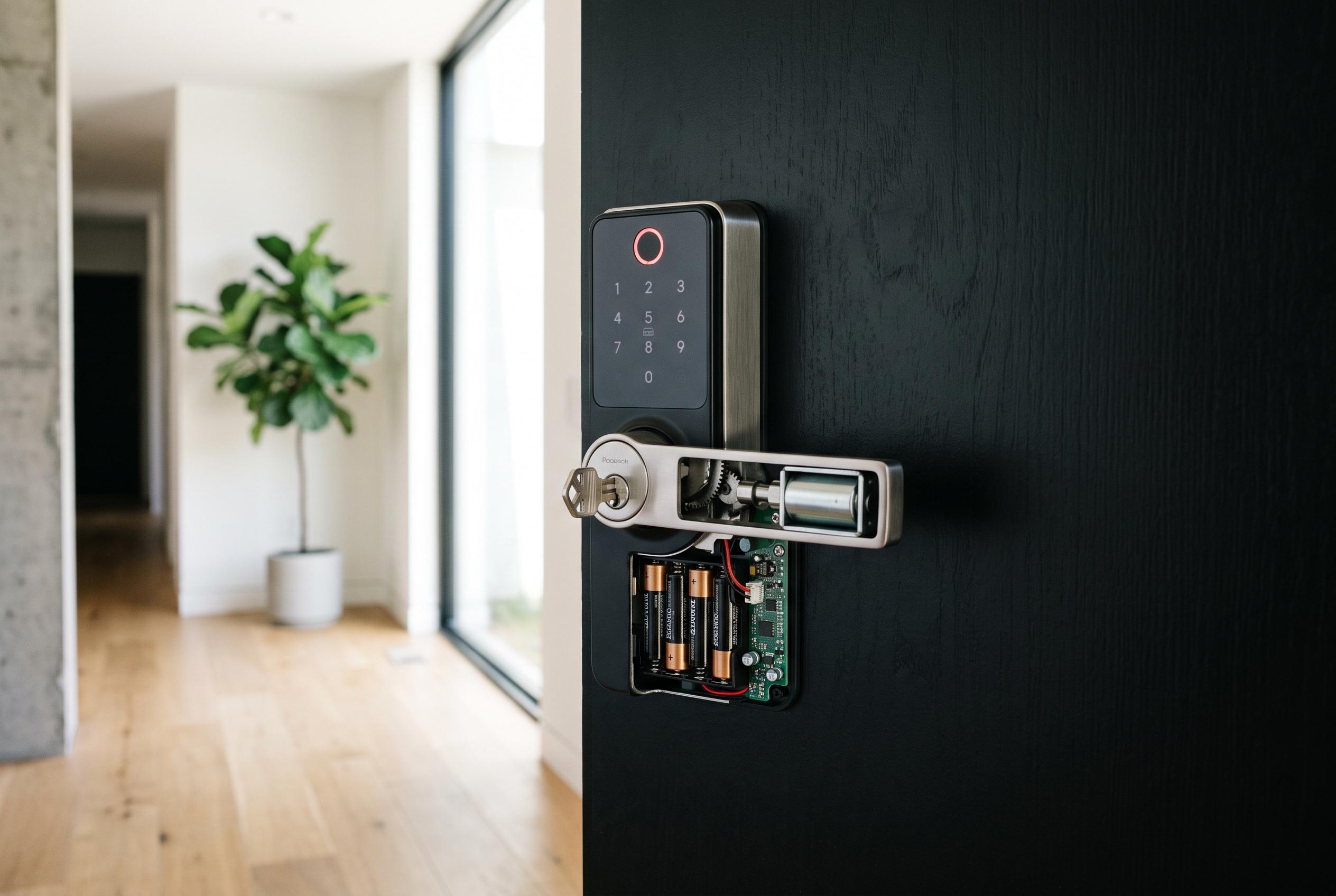
The company also sets out supporting parts of the system that make a home installation more realistic. Its documentation describes local control through the Access Control Hub, visitor-entry options, push-to-exit devices and manual override tools such as a rescue keyswitch. It also notes power-resilience options, including battery-backed switching and external backup batteries, which address one of the main weaknesses of consumer smart locks: dependence on small internal cells and cloud services.
Hunt says he is beginning with the laundry as a low-risk test case before deciding whether to extend the same design across the house. He also wants to validate two awkward edge cases: whether the door can be kept closed but unlocked, and whether his assumptions about how people will get in and out hold up in real use. If those tests pass, the result could be a more robust domestic access system than the usual battery-powered smart lock.
Disclaimer: This content is intended for informational purposes only. Readers are advised to exercise their own judgement, conduct due diligence, or consult a qualified expert before acting on any information provided.