
Fast charging is a fragmented landscape, with multiple protocols, proprietary systems, and safety considerations influencing how quickly devices can actually charge. Experts recommend a universal USB-C Power Delivery with PPS for broad compatibility and safety.
Fast charging has become a marketing label that hides more than it reveals. A phone connected to a powerful charger will still draw only the power it can safely accept, so the figure printed on the brick is not, by itself, a guarantee of speed. According to the supplied material, the real outcome depends on the handset, the charger, the cable and the charging protocol they can all speak. Fast charging is therefore less a single feature than a set of competing systems.
That fragmentation began as manufacturers moved beyond basic 5V USB charging and built their own approaches. USB Power Delivery, Qualcomm Quick Charge, PPS, SuperVOOC and similar systems all negotiate power in different ways. USB-C on a device does not automatically mean fast charging is available, and a Qualcomm chip inside a phone does not necessarily mean Quick Charge is the protocol in use. The charging logic sits in the device’s electronics, not in the shape of the port.
USB Power Delivery is now the closest thing to a common language. It scales across phones, tablets and laptops, and the standard has continued to evolve, with later versions extending power limits well beyond what handsets need. Programmable Power Supply, or PPS, is the more relevant part for modern Android flagships because it allows finer control over voltage and current. That can improve efficiency and reduce heat during charging, which is why many current Samsung and Google phones rely on USB PD with PPS for their fastest advertised rates.
Proprietary systems remain important, especially among Chinese handset makers. Oppo and OnePlus still use SuperVOOC-derived charging, while Xiaomi pushes HyperCharge on selected models. These systems can reach very high headline wattages, but they generally require the matching charger and, in many cases, the right cable as well. A standard USB-C PD charger may still work, but usually not at the speeds promised by the brand-specific system.
The wattage figure itself also deserves caution. Peak charging power is normally reached only when the battery is relatively empty, then the rate drops as the cell fills. That means an 80W or 100W charger is not delivering that output for the whole charge cycle. The number is a maximum, not an average. It is useful, but only when read alongside the phone’s own charging behaviour.
Concerns about battery damage are understandable, but the evidence in the supplied material points to temperature as the larger issue. Fast charging can create more heat, and heat does contribute to long-term battery wear, yet modern phones are designed with thermal controls, power throttling and tapered charging curves to manage that risk. The more important habits are simple: do not keep a battery at 100% for long periods, avoid charging a hot phone in direct sun, and use features such as Apple’s Optimised Battery Charging, Samsung’s Battery Protection or Google’s charging limits where available.
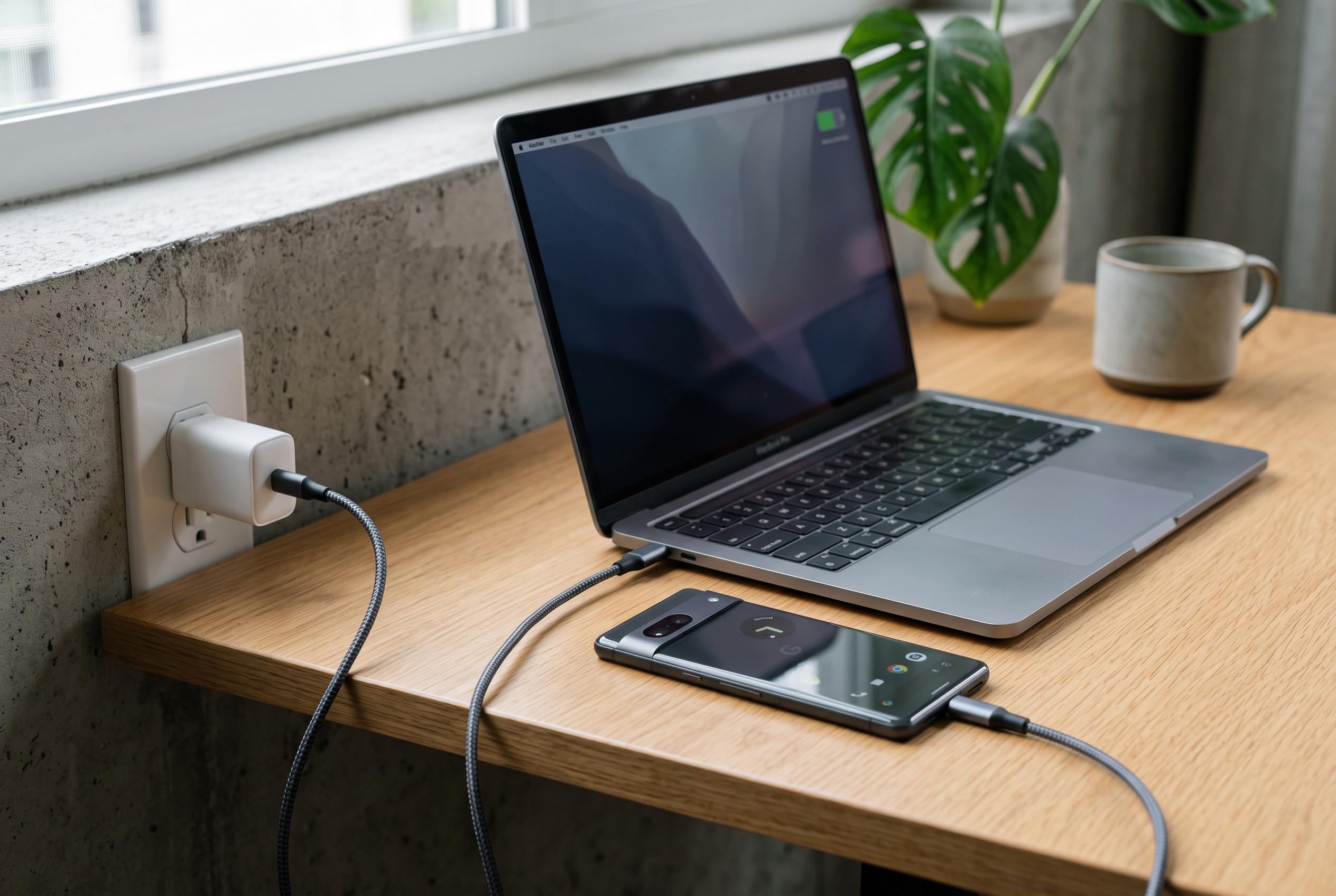
For most buyers, the practical answer is straightforward. If you want one charger for several devices, USB-C Power Delivery with PPS and enough wattage for your most demanding gadget is the safest choice. It will not unlock every proprietary maximum on every OnePlus, Oppo or Xiaomi handset, but it will cover a broad range of phones, tablets and laptops without much guesswork. In fast charging, universality usually matters more than chasing the highest number on the box.
Disclaimer: This content is intended for informational purposes only. Readers are advised to exercise their own judgement, conduct due diligence, or consult a qualified expert before acting on any information provided.